

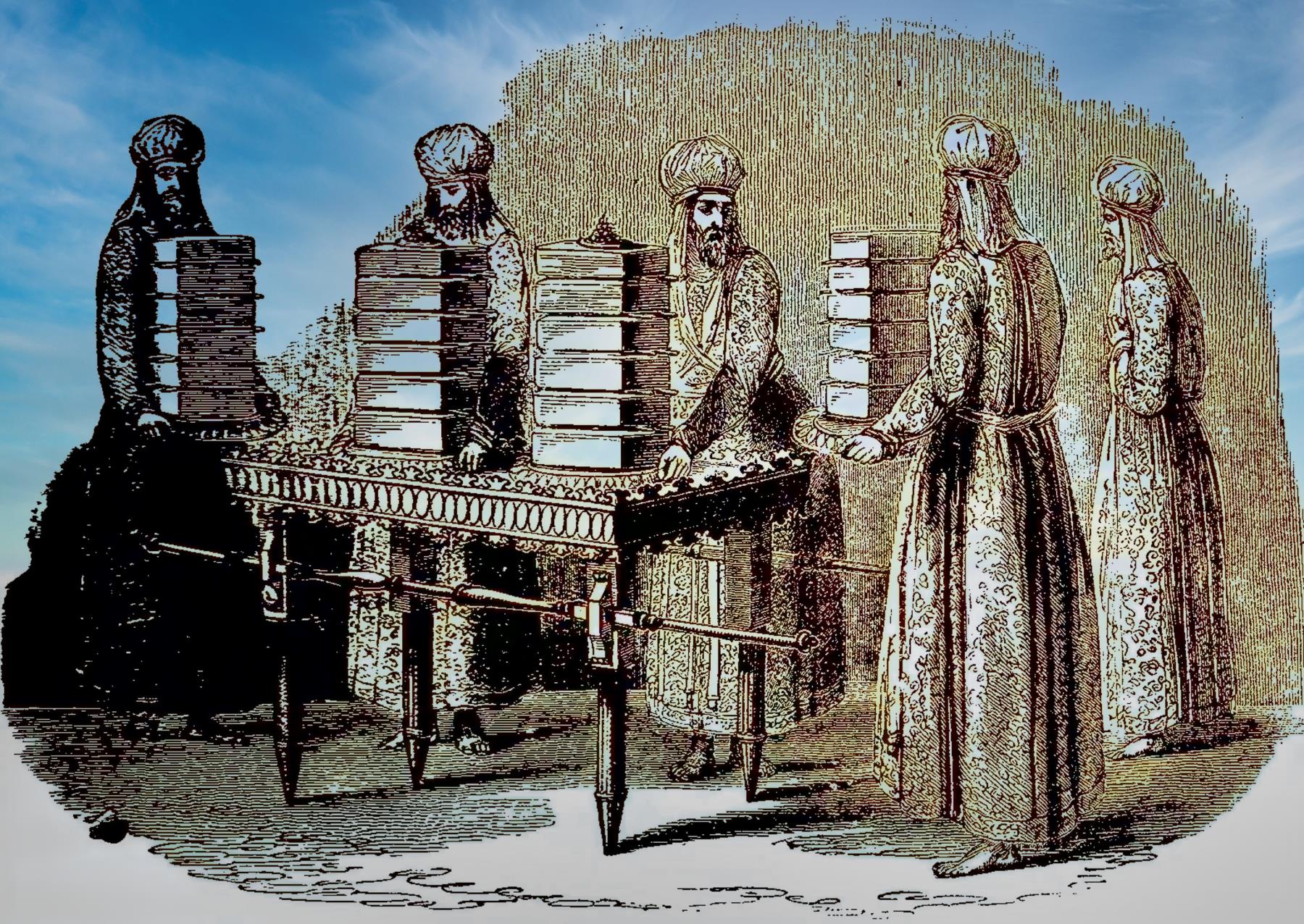
What is shewbread, and how does one come to understand its significance within the pages of the Bible? This intriguing question invites us to delve into the heart of ancient rituals, spiritual symbolism, and cultural practices that shaped the Israelite community. Shewbread, also known as the “Bread of the Presence,” occupies a unique space in the religious practices described in the scriptures, intertwining sustenance with sacredness.
To grasp the full essence of shewbread, we must first consider its biblical origins. Found primarily in the Book of Exodus and Leviticus, this special bread was placed on a table within the Tabernacle, representing the tangible presence of God among His people. The term ‘shewbread’ itself evokes images of hospitality; it literally means “bread of the face,” signifying the offerings presented to God, who is ever present. But what does this perpetuate about the nature of divine communion?
The construction of the shewbread was meticulous. The bread was to be made of fine flour, fashioned into twelve loaves, symbolizing the twelve tribes of Israel. These loaves were arranged in two piles, suggesting a perpetual offering, refreshed weekly on the Sabbath, accompanied by frankincense. Each component was steeped in meaning, inviting deeper reflection on themes of sustenance, gratitude, and divine provision. Yet, one might wonder: how does such an ancient ritual resonate with modern believers today?
Consider the intricate interplay between spirituality and sustenance. The shewbread necessitated a state of ritual purity and dedication, indicating that the act of sharing bread—an essential, human need—was also a sacred act of worship. For contemporary adherents, this can challenge us to view our own meals and gatherings as acts of devotion. Are we offering our best to one another and to God? Could every meal be an opportunity to acknowledge divine blessings?
Moreover, the shewbread’s symbolism extends beyond mere physical nourishment. In John 6:35, Jesus refers to Himself as the “bread of life,” drawing a powerful parallel to the shewbread. The connection emphasizes a spiritual sustenance that transcends the material. In this light, one can pose another playful question: How do we, in our contemporary lives, relate to the metaphor of Christ as sustenance for our souls? Are we seeking spiritually in the same way the Israelites sought physical nourishment?
Each time the shewbread was replaced, the removed loaves were not discarded. Instead, they were consumed by the priests—a continuation of sacred tradition. This notion prompts a deeper inquiry into the communal aspect of sharing faith and nourishment. Community dinners, potlucks, and shared meals are more than just sustenance; they are opportunities to connect, to bless, and to grow in faith together. How can modern communities emulate the principles embodied in the shewbread? Are there attempts at reviving this tradition in a way that honors both the past and the present?
In conclusion, the examination of shewbread in the Bible extends beyond an ancient ritual; it invites believers into multifaceted layers of understanding, reflection, and practice. From the physical act of creating the bread to the spiritual endeavors it embodies, shewbread serves as a reminder of the divine interplay between earthly needs and heavenly grace. How will you carry this rich, flavorful tradition into your life and community? The challenge lies in the transformative power of understanding our sustenance in both the physical and spiritual realms. Embrace it fully, and let the spirit of shewbread nourish your journey.

