

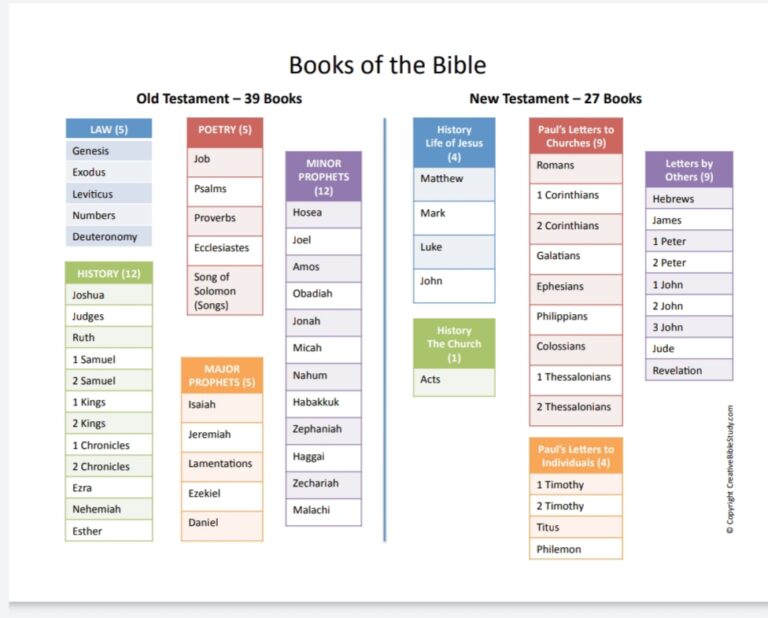
The Bible, a text of unparalleled significance, spans centuries of cultural and spiritual reinterpretation. Its influence is immeasurable, yet the vastness of its narrative can be challenging for new readers. Embarking on a journey through its verses can often feel overwhelming, akin to setting forth on an expedition without a map. Fortunately, understanding the recommended order for reading the Bible can facilitate a more enriching experience. This article will delineate the various reading strategies that cater to different types of readers, providing insight into the structure and content of this revered tome.
1. The Traditional Sequential Approach
For the quintessential reader seeking a durational immersion in the text’s historical context, the traditional sequential approach is a commendable choice. This methodology prescribes reading the Bible from Genesis to Revelation, traversing through the Old and New Testaments in a linear fashion. Through this pathway, readers will witness the unfolding of divine narratives, beginning with the Creation story, the emergence of Israel, the prophetic writings, and the messianic revelations in the New Testament.
As you navigate through Genesis, you will encounter the foundational stories of humanity, including Adam and Eve, Noah’s Ark, and the patriarchs Abraham, Isaac, and Jacob. This narrative is rife with theological and moral implications, presenting a world that reflects human fallibility and divine providence.
The Exodus in the book of Exodus introduces themes of liberation and covenant, critical to understanding the identity of Israel. Continuing through the historical books, the books of wisdom literature, and the prophetic writings will deepen one’s appreciation for the complexity of God’s relationship with His people. Concluding with the Gospels and epistles in the New Testament, one finds a culmination of the biblical narrative through the life, death, and resurrection of Jesus Christ, offering a transformative lens on salvation and grace.
2. The Thematic Reading Framework
For those whose intellect is stoked by abstract principles rather than mere chronology, a thematic reading framework may be more appealing. This structure organizes biblical readings by central themes such as grace, faith, love, justice, and redemption. By categorizing readings based on these thematic constructs, readers can unravel complex theological concepts and explore how they permeate throughout both the Old and New Testaments.
Consider the theme of grace, which is intricately woven throughout scripture. Start with passages from the Old Testament, such as Exodus 34:6-7, reflecting on God’s merciful nature. Transition into the New Testament, where grace is echoed in Ephesians 2:8-9, elucidating the unmerited favor bestowed upon believers. Such a focused reading regimen permits a more profound engagement, allowing readers to observe recurrent motifs and their implications across diverse contexts.
3. The Narrative Listening Method
In recent years, the narrative listening method has gained traction as an innovative approach to biblical engagement. This technique, leveraging audio formats or dramatic readings, allows the listener to absorb the Scriptures through oral tradition. The Bible, originally conveyed through spoken word, can be profoundly experienced in its auditory form.
By immersing oneself in the auditory retelling of biblical stories, one can appreciate the narrative flow and dramatic nuances that written text often obscures. This can be especially impactful with the Gospels, where parables and dialogues come alive. Listening to the narrative structure can enhance one’s understanding of the cultural and historical backdrop against which these stories were told, creating an empathetic connection to the characters and themes depicted.
4. The Devotional Reading Plan
For readers inclined towards personal reflection and spiritual growth, a devotional reading plan can be invaluable. This approach marries selected scripture passages with reflective commentary, making each reading not merely an exercise in comprehension but a soulful journey into one’s spiritual life.
Typically, devotional readings are structured with short daily passages paired with meditations or prayers. This provides a salient focus that encourages introspection and application of the text to daily living. Such reading can include Psalms for inspiration, Proverbs for wisdom, and selected readings from the epistles for practical guidance in ethical conduct. Through this method, readers can cultivate a rhythmic practice that nourishes spiritual well-being alongside comprehension.
5. The Historical Contextualization
A sophisticated understanding of the Bible’s historical context is paramount for meaningful interpretation. For the reader keen on understanding the sociopolitical environment in which the texts were produced, engaging in books specifically focused on historical background can be advantageous. Reading supplementary texts about ancient Near Eastern culture, Jewish history, and the Greco-Roman world can provide invaluable insight.
Examining the letters of Paul within their historical milieu elucidates the challenges faced by early Christian communities, enhancing comprehension of doctrinal teachings and pastoral concerns. This contextual lens fosters a deeper appreciation for how external circumstances influenced biblical narratives and how they remain applicable today.
Conclusion
Ultimately, the choice of reading order depends not solely on personal preference but also on one’s spiritual and intellectual objectives. Whether opting for a traditional sequential journey through the scriptures, a thematic examination of profound concepts, the immersive experience of narrative listening, or a devotionally enriched practice, the pathways to engaging with the Bible are manifold. Each mode offers a distinctive lens through which one can glean wisdom and understanding from a text revered across millennia. As you embark on your biblical journey, may you find not merely knowledge but illumination, fostering a more profound connection with the sacred and timeless lessons it provides.

