

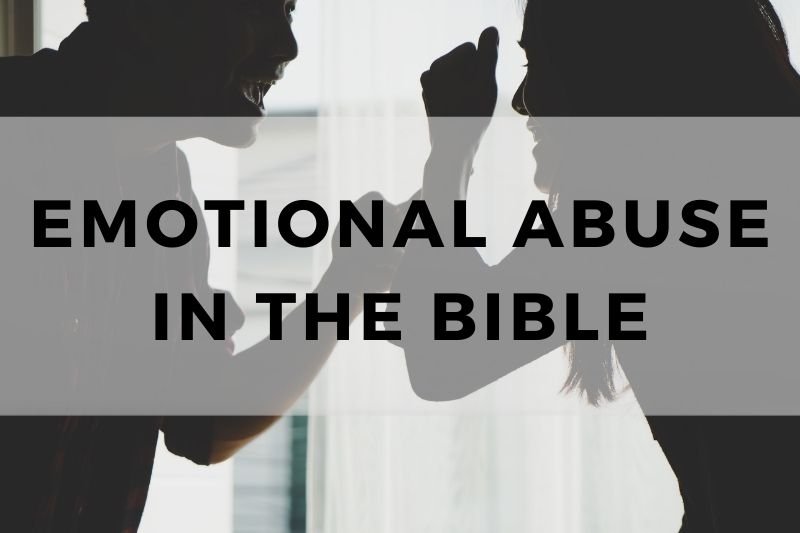
Emotional abuse, often cloaked in subtleties and veiled by manipulative behaviors, is a poignant topic woven throughout the fabric of biblical narratives. The Holy Scriptures provide insight not only into the manifestations of emotional maltreatment but also into the profound effects it bears on individuals. This article delves into the wisdom encapsulated within the Bible, exploring various perspectives and teachings related to emotional abuse.
At its core, emotional abuse embodies patterns of behavior that imperil a person’s sense of self-worth and emotional well-being. In the scriptures, the consequences of toxic interpersonal relationships are vividly illustrated. Consider the tale of King Saul and David. Saul’s jealousy spiraled into erratic behavior, leading to relentless pursuit and emotional turbulence for David. This narrative starkly reveals how wielding power over others can engender psychological harm, serving as a cautionary tale that resonates across the ages.
Furthermore, the Bible emphasizes the significance of love and respect within relationships. Ephesians 4:31-32 presents a directive to rid oneself of bitterness, rage, and anger. The juxtaposition of these vices with the imperative to be kind and tender-hearted underscores the abhorrence of emotional abuse. In contrast to the warm embrace of affection and understanding, the destructive nature of contempt and hostility is poignantly highlighted.
Moreover, the emotional toll of abuse is powerfully encapsulated in the Psalmist’s lamentations. The cries of anguish echoed throughout the Psalms serve as a testament to the suffering inflicted by emotional turmoil. When the psalmist writes of feeling abandoned and forsaken, it becomes evident that emotional abuse can lead to a profound sense of isolation. This desperation for connection is a universal theme, underscoring the urgent need for healing and reconciliation.
In addition to interpersonal relationships, it is essential to recognize the inherent value of self-love as a biblical principle. The commandment to love one’s neighbor as oneself (Mark 12:31) implies a foundational requirement for individuals to foster a healthy self-esteem. When one engages in self-criticism or submits to emotional abuse, they violate this sacred command. The challenge, then, is to cultivate self-respect and to seek relationships that affirm one’s intrinsic worth.
Throughout Scripture, the concept of accountability is interwoven with the theme of justice. Proverbs 31:8-9 calls for the voiceless and vulnerable to be defended. It is a clarion call for individuals to rise against injustice, including emotional abuse. This directive implores adherents not only to protect themselves but also to advocate for those who have suffered in silence, imprisoned by the chains of despondency.
Interestingly, the biblical texts also provide avenues for healing. The New Testament speaks of reconciliation and restoration, suggesting that even in the aftermath of emotional abuse, there exists an opportunity for renewal. Counseling, prayer, and communal support are tools that can assist in navigating the treacherous waters of emotional suffering. Engaging with faith communities can cultivate an environment where victims find solace and strength, fostering a culture of resilience.
Ultimately, the Bible’s examination of emotional abuse reveals a tapestry rich with lessons on love, respect, and empathy. It implores followers to eschew toxic behaviors, while simultaneously offering solace and hope to those in distress. Through the lens of biblical teachings, one discovers that emotional abuse is not an isolated sin but a social ill demanding attention, compassion, and action within both personal and communal spheres.

