

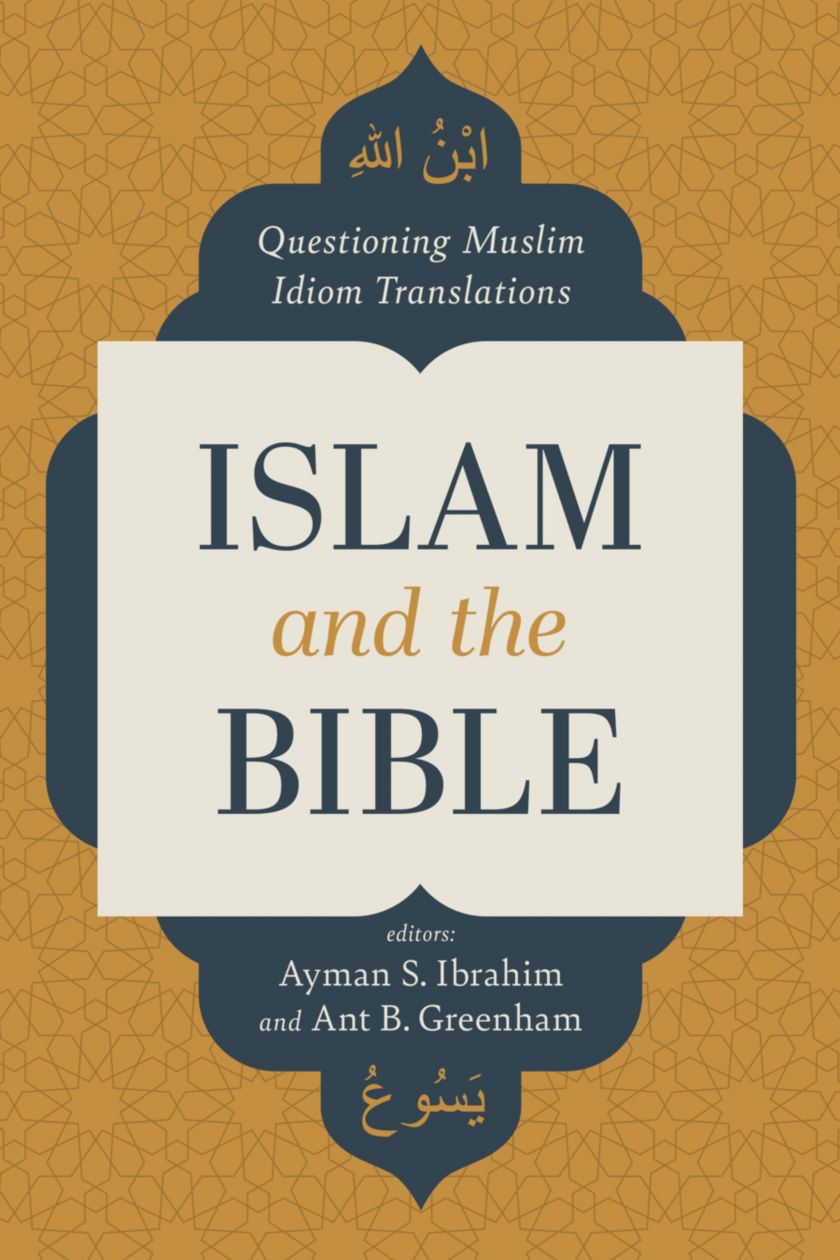
The relationship between Christianity and Islam has been a topic of vigorous discussion and deep contemplation for centuries. To grasp what the Bible articulates about Islam, it is imperative to dissect the theological threads that connect and divide these two major world religions. Herein lies a nuanced exploration of the complexities surrounding this dialogue.
Firstly, Christianity and Islam share historical roots. Both religions trace their lineage to the patriarch Abraham, a figure venerated in both faiths. The Bible acknowledges Abraham’s pivotal role as the father of many nations. In the Christian context, this legacy extends through Isaac, while in Islam, it traverses through Ishmael. This genealogical connection establishes an intricate backdrop for understanding the shared narratives and divergent interpretations. It highlights the mutual reverence for figures such as Moses and Jesus, who are respected in both faiths but perceived through different theological lenses.
Delving deeper into scriptural texts, the New Testament offers insights into the broader context of faith. While it does not directly address Islam—since it emerged several centuries after the texts were written—one can discern themes that resonate with Islamic principles. The messages of peace, compassion, and ethical behavior echo throughout both the teachings of Jesus and the Quran. A careful examination reveals the potential for dialogue rooted in shared values, such as charity and justice.
Moreover, the Bible often emphasizes the importance of understanding and respecting those of different faiths. In the Gospel according to Matthew, the call to love one’s neighbor as oneself transcends cultural and religious boundaries. This exhortation invites Christians to engage with Islam not merely as a doctrine to scrutinize but as a vibrant faith practiced by millions. Such engagement necessitates an acknowledgment of similarities and differences, thereby fostering a climate of mutual respect.
Conversely, the complexities in the interpretative frameworks of both religions cannot be overlooked. Certain biblical passages are employed in polemical discourses, often leading to divisive rhetoric. For instance, concepts surrounding the prophetic tradition diverge significantly between the two faiths. While Christianity recognizes Jesus as the culmination of prophecy and divine revelation, Islam regards Muhammad as the final prophet, a distinction that remains a point of contention. This theological divergence engenders a need for cautious discourse to avoid conflating sacred beliefs.
Furthermore, contemporary interpretations of both scriptures have evolved, responding to the societal challenges of the modern world. As issues surrounding religious intolerance and extremism permeate discussions, adherents from both religions are called to adopt a posture of empathy, rather than opposition. It requires an understanding that the fundamental tenets of each faith advocate for peace and the intrinsic value of human dignity.
Lastly, interfaith initiatives have emerged, seeking to bridge the chasm between Christianity and Islam. By fostering dialogue, these efforts aim to highlight not only what divides, but also what unites. Collaborative engagements on social justice issues, environmental stewardship, and humanitarian efforts resonate with the core teachings of both religions, underscoring a common commitment to improving the human condition.
In conclusion, while the Bible does not explicitly address Islam, it provides a framework for understanding the interwoven histories and beliefs. The potential for mutual respect and understanding is profound, encouraging believers to engage with one another’s faith thoughtfully and considerately. Ultimately, a sincere exploration reveals that, while different, Christianity and Islam hold shared values that can lead to cooperative efforts for a more harmonious world.

