

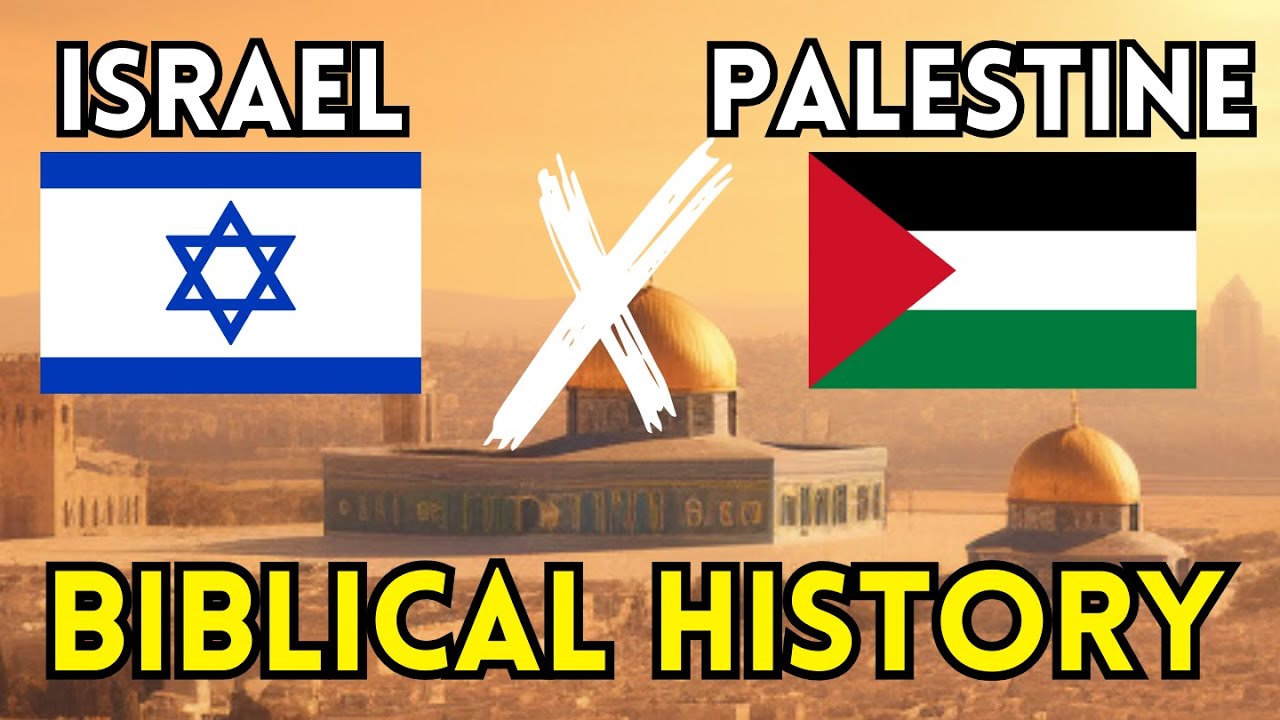
In the annals of time, Israel occupies a profound position—a living tapestry woven from the intricate threads of history, prophecy, and faith. The very landscape echoes with stories etched in the sacred texts, a place where spiritual abstraction harmonizes with pressing contemporary realities. As the world pivots around its axis of change, the themes embedded within biblical texts gain renewed significance, compelling us to reflect on what the Bible says about Israel today.
First and foremost, one must consider the concept of the ‘Promised Land’. This pivotal motif resonates through the corridors of biblical narratives. Capturing the imaginations of millions, Israel symbolizes divine promise and human aspiration. However, what does this mean in the context of today’s geopolitical climate? The promise of prosperity, peace, and solace is juxtaposed against the struggles faced by those inhabiting this sacred territory. The biblical land—once teeming with hope—now wrestles with conflict, raising questions about fulfillment and divine intention.
The prophetic dimensions of Israel’s existence cannot be overlooked. Throughout scripture, prophets have voiced visions of restoration and divine redemption. Today, this prophetic discourse invites fresh interpretations as global political dynamics shift. The geopolitical landscape resembles a chessboard, with players engaging in complex maneuvers—each move echoing the scriptural narratives of old. Such dynamics necessitate a re-examination of prophetic messages and their implications for the modern-day nation-state. Are these divine oracles meant as prescient guidance, a clarion call for introspection?
Moreover, Israel’s tumultuous relationship with its neighbors is a striking reminder of the biblical admonishment that ‘nation shall not lift up sword against nation’. This scripture encapsulates a haunting plea for peace. Today’s world traverses a fractured landscape where polarized ideologies propagate animosity. For Israel, grappling with its identity as a democratic state amidst a mosaic of cultural identities, the challenge is monumental. The biblical ideal of coexistence seems increasingly elusive, yet remains a beacon illuminating the path toward reconciliation.
The intricacies of identity also come to the fore when examining the Bible’s portrayal of Israel. In the ancient narratives, Israel is not merely a geographic entity; it embodies an enduring covenant between the Divine and the Chosen people. Today, this covenant invites introspection into the values that define Israel’s character. Do these principles reflect the aspirations of its people? Emphasizing social justice, compassion, and stewardship of creation, the biblical narrative calls for a society that transcends mere survival, venturing into realms of ethical responsibility.
At the core of biblical Israel is the theme of the ‘Tree of Life’. This metaphor extends beyond simple botanical imagery; it represents interconnectedness and resilience, reminiscent of a flourishing ecosystem. Within this context, Israel serves as a microcosm for broader environmental issues. The land—blessed yet beleaguered—grapples with the repercussions of climate change, resource depletion, and ecological degradation. The lessons derived from biblical stewardship are poignant; they urge modern society to re-evaluate its relationship with the Earth and underscore the significance of sustainable practices. Herein lies a call for a new ‘Green Covenant’, affirming the bond between humanity and nature, inspired by ancient wisdom.
Faith remains an anchor for many within Israel, providing solace and direction in tumultuous times. The spiritual landscape is enriched by diverse religious expressions. Christianity, Judaism, and Islam intertwine, each contributing unique insights that feed into the greater narrative. The power of faith transcends borders, fostering connections that challenge narratives of division. The biblical exhortation to ‘love thy neighbor’ echoes universally, regardless of cultural or religious affiliations. In today’s context, where strife often outshines compassion, this call to love and understanding emerges as vital.
Furthermore, the biblical admonition for justice becomes ever more pertinent. The ethical dimensions of ancient texts confront contemporary realities where disparities in power, wealth, and opportunity are starkly apparent. The fight for justice, as articulated in the minor prophets, reverberates through the lanes of modern Israel. From grassroots movements advocating for equality to governmental reforms addressing systemic inequities, the principles of justice demand proactive engagement. The biblical mandate challenges all citizens to contribute to a society rooted in equity and dignity.
In contemplating ‘What the Bible Says About Israel Today’, the narrative weaves a tale of duality: prophecy versus reality, blessing intertwined with hardship, faith seeking understanding. As Israel stands at the crossroads of history, the ancient texts provide a compass for navigating modern complexities. The reflections on promise, identity, environmental stewardship, faith, and justice converge, illuminating a path paved with hope and resilience.
Ultimately, the essence of what the Bible articulates about Israel is not confined to ancient narratives; it is a living testament. It implores individuals and nations to commit to the ideals of peace, justice, and stewardship. Within the crucible of this land lies the potential for a transformative journey—where echoes of the past shape a hopeful future. Engaging with these timeless lessons invites a broader dialogue—one that resonates with the heart of humanity’s shared quest for understanding, purpose, and connection.

