

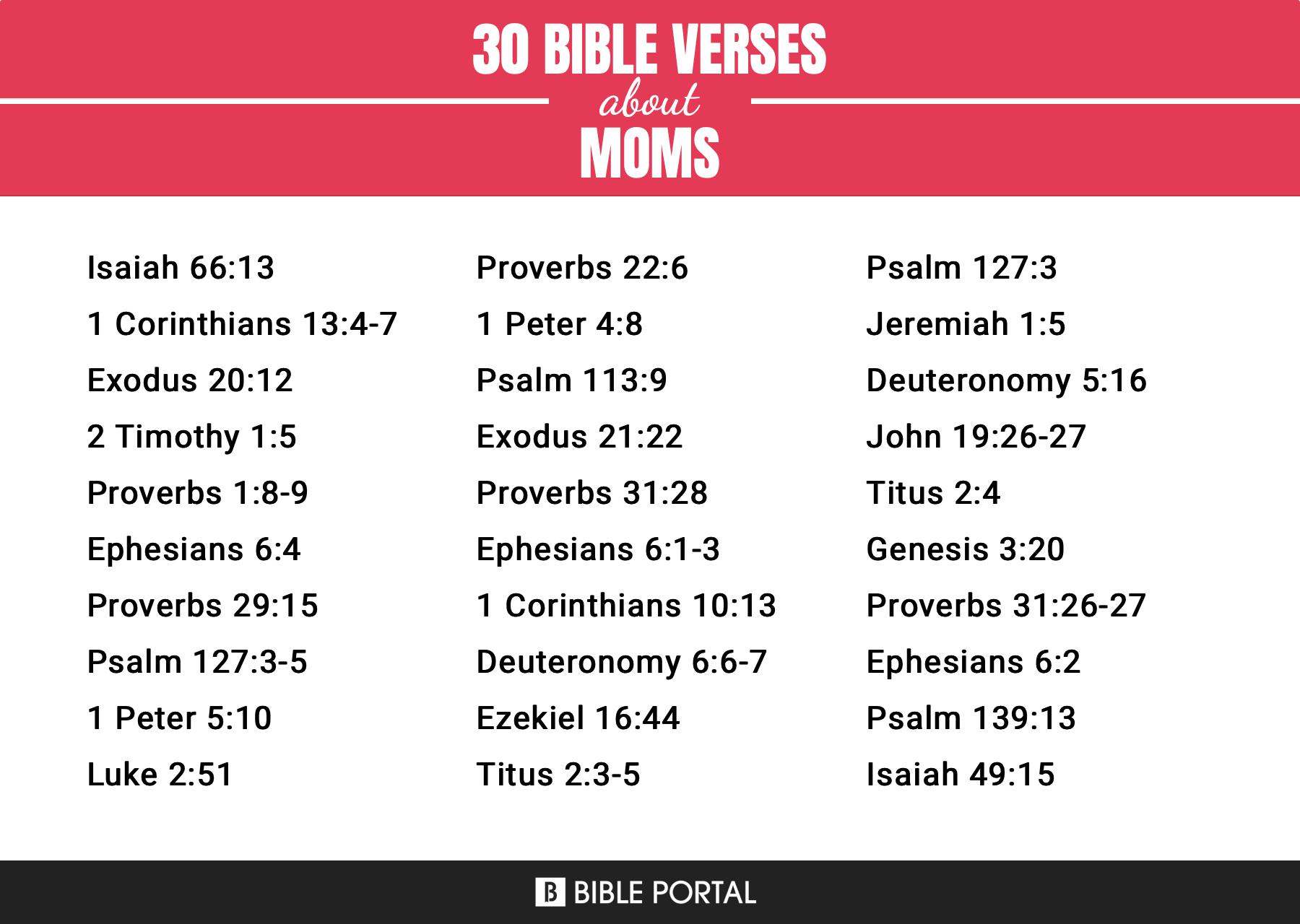
Mothers, often regarded as the unsung heroines of our lives, embody the virtues of love, sacrifice, and resilience. In the tapestry of scriptural wisdom, the Bible paints a vivid portrait of motherhood, capturing the essence of this noble vocation through profound metaphors and timeless wisdom. From nurturing the fragile shoots of life to guiding their offspring toward moral fortitude, mothers are portrayed as indispensable pillars in the edifice of familial and societal structure.
Throughout the biblical narrative, the maternal figure is not merely a caretaker but a beacon of spiritual enlightenment. Proverbs 31, often referred to as the “Virtuous Woman” passage, extols the virtues of a mother who “rises while it is yet night” to provide for her household. This metaphorical sunrise represents the relentless dedication of mothers—like a new day dawning, their efforts illuminate the lives they touch. Just as the sun nurtures the earth, a mother’s love fosters growth and instills values in her children, challenging them to reach for the skies of potential.
The Bible also imparts wisdom on the trials faced by mothers, reflecting the omnipresent struggle between sacrifice and self-identity. In 1 Samuel, we encounter Hannah, a woman beset by despair due to her inability to conceive. Her heartfelt prayer epitomizes a mother’s longing. When she finally gives birth to Samuel, her joy transcends personal fulfillment; she dedicates him back to God, showcasing the duality of motherhood—wherein fulfillment also lies in the relinquishment of one’s desires for a greater purpose. This poignant story serves as a powerful metaphor for nurturing hope amidst adversity, reminding us that faith can engender miraculous outcomes.
Moreover, the biblical figure of Mary, the mother of Jesus, serves as a transcendent archetype of maternal devotion. When the angel Gabriel visited her, Mary’s acceptance of her divine role was both staggering and humbling. “Behold, I am the servant of the Lord,” she proclaimed, embodying unconditional surrender. Through her acceptance, she demonstrates that motherhood is not solely a biological connection but a spiritual calling. This narrative pricks at the very core of maternal identity, encouraging mothers to embrace their roles as conduits of grace, love, and purpose.
While the Bible extols the virtues of mothers, it also implores the community to honor and cherish these figures. In Exodus 20:12, the commandment to “Honor your father and your mother” highlights the reciprocal relationship between mother and child, stressing that reverence for motherhood is not a mere obligation but a societal covenant built on respect and gratitude. In a world where the sacredness of familial bonds often frays, this biblical exhortation serves as a reminder of the reverential space mothers occupy in our lives.
In conclusion, what the Bible says about mothers transcends mere text; it encapsulates the heart’s deepest rhythms and the social fabric that binds humanity. Mothers are portrayed as unwavering giants who wield the power of love and the strength of conviction. They are the architects of tomorrow, shaping future generations with their wisdom and grace. To understand their role through a biblical lens is to appreciate the intricate dance of nurturing, guiding, and loving—a dance that is timeless, reverberating through the ages with the echoes of profound significance. Ultimately, mothers are not just figures within sacred texts; they are living embodiments of divine love, deserving of our utmost reverence and gratitude.

