

The topic of makeup is one that weaves intricately through the tapestry of human history, culture, and spirituality. Indeed, it has frequently resulted in fervent discussions regarding its ethical implications, aesthetic values, and even moral underpinnings. The Bible, a foundational text for many, offers various insights that touch upon the broader concepts of beauty, adornment, and self-presentation. While it may not explicitly address makeup in the way we define it today, a closer examination reveals deep reflections on how beauty is perceived and the motivations behind its pursuit.
At the outset, we must acknowledge that beauty and adornment have always held significance across civilizations. For ancient societies, including those described in the Biblical texts, personal appearance often communicated status, virtue, and identity. The Bible’s references to beauty are manifold, spanning both affirmations of physical allure and admonitions against excessive vanity. In the book of 1 Peter, the apostle Peter advises women to cultivate ‘the unfading beauty of a gentle and quiet spirit,’ steering the focus away from mere external embellishments towards the cultivation of inner grace and character. This sentiment underscores a prevailing Biblical theme—the prioritization of the heart over outward appearances.
However, the scriptures do not entirely demonize the act of adorning oneself. In the Old Testament, we find the account of Queen Esther, whose beauty and charm played a pivotal role in her narrative. Her use of perfumes and beautiful garments was not merely for ostentation; it served a purposeful role in her journey of courage and advocacy for her people. Such narratives illustrate that while beauty may be revered, it can also be employed strategically and meaningfully, suggesting that makeup, when used prudently, can align with a higher moral calling.
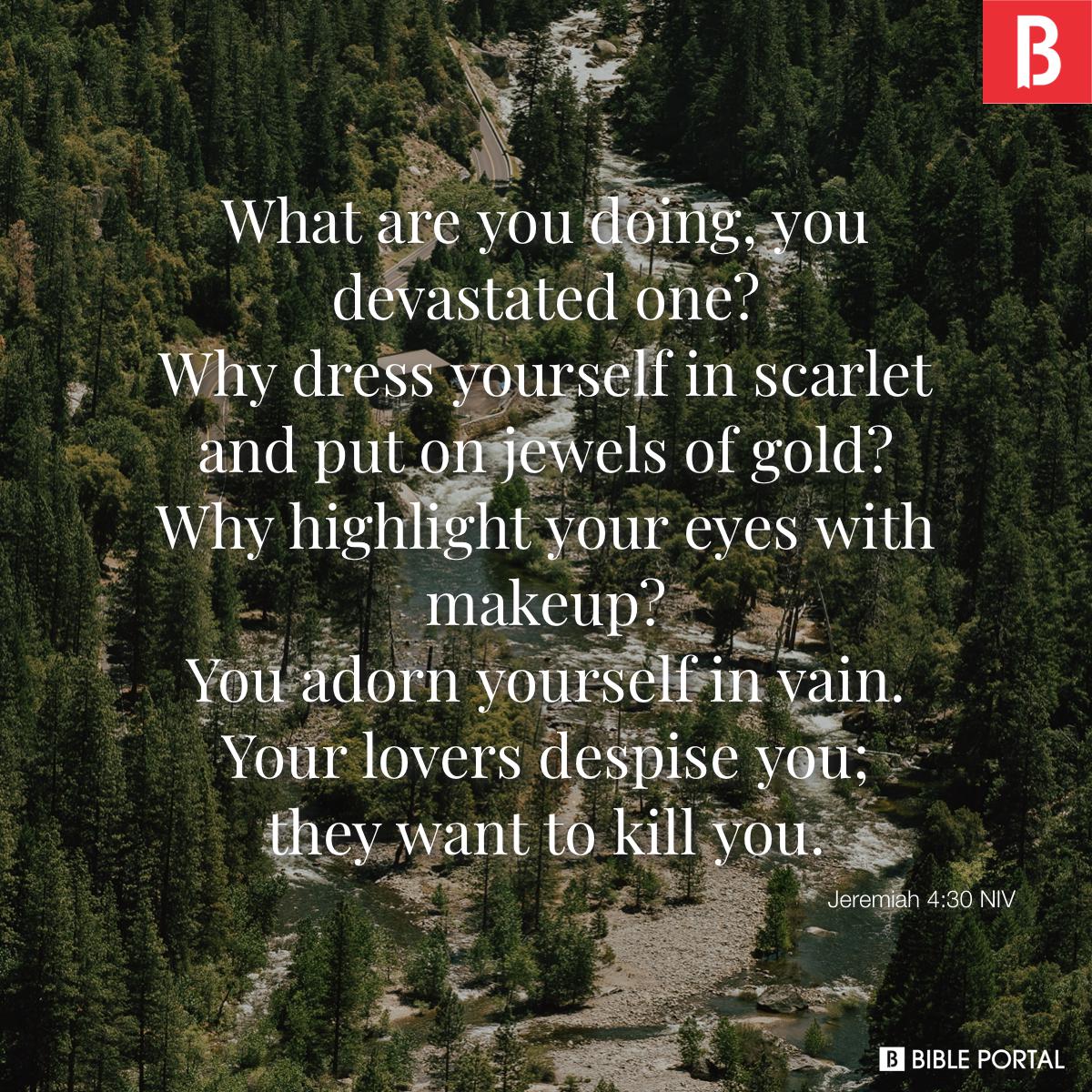
Nevertheless, there are cautionary notes within the scriptural texts that deserve attention. The book of Jeremiah cautions against the futility of superficial adornment. It posits profound queries about the worthiness of the ‘devastated one’ donning finery in the face of despair. This poignant rhetoric serves as a reminder that external beauty must not overshadow internal strife or moral decay. Engaging with makeup, therefore, should not eclipse our engagement with the deeper aspects of our existence.
In the context of the New Testament, further exploration reveals a critical perspective on the motivations behind makeup and adornment. Jesus, in his teachings, often targeted hypocrisy and the prioritization of external appearances over genuine character. For instance, in Matthew 23, He admonishes the Pharisees for their focus on outward cleanliness while neglecting the inner purity of their hearts. This reflects a larger principle applicable to contemporary practices surrounding makeup; the inquiry arises as to whether one adorns oneself as a form of expression or as a masquerade for deeper insecurities.
It is crucial to consider that adornment can serve both authentic and deceptive purposes. A myriad of Biblical verses beckons individuals to scrutinize the intentions behind their choices. For some, makeup may signify empowerment, self-expression, and creativity—a celebration of individuality rather than an attempt to conform to societal standards. For others, it may represent a misguided reliance on external validation, leading to a dependency that fosters anxiety and discontent. The pursuit of beauty, when detached from its authentic roots, can devolve into a treacherous endeavor.
Additionally, the Bible also speaks to the notion of modesty, frequently urging individuals to express themselves thoughtfully and respectfully. In 1 Timothy, Paul exhorts women to adorn themselves with good deeds rather than elaborate hairstyles or gold. This advice advocates for an understanding that genuine beauty is cultivated through acts of kindness, generosity, and sincerity—elements of character that transcend the superficial allure of makeup.
Equally important is the aspect of cultural context. Makeup, as it exists today—full of various styles, types, and applications—is influenced by cultural dynamics, fashion trends, and individual taste. Different cultures may perceive makeup through varied lenses, from celebratory adornments for special occasions to everyday aesthetic enhancements, enriching the conversation. Just as the Biblical text engaged with the realities of its time, modern interpreters of the Bible can likewise engage with contemporary practices of makeup, discerning what aligns with their values and faith.
Ultimately, what emerges from the Biblical discourse is a nuanced understanding of makeup and adornment. The scriptures evoke a duality: It is not inherently wrong to wear makeup, yet the motivations behind its use are paramount. Striking a balance between acknowledging one’s own crisis of identity and celebrating daily variations of beauty becomes essential. Each choice may represent an opportunity for signaling authenticity or for ensnaring one’s self in societal expectations.
As we navigate the complexities of modernity, the teachings of the Bible offer poignant reflections on our journey toward self-acceptance and understanding. Consideration of inner self-worth in tandem with our outward choices may illuminate a path forward. When makeup embodies creativity and reflects one’s true essence rather than a facade, it can indeed be a form of celebration rather than contradiction. Ultimately, through transcending mere appearances, we can embrace a holistic understanding of true beauty—one that honors both the physical and the spiritual.

