

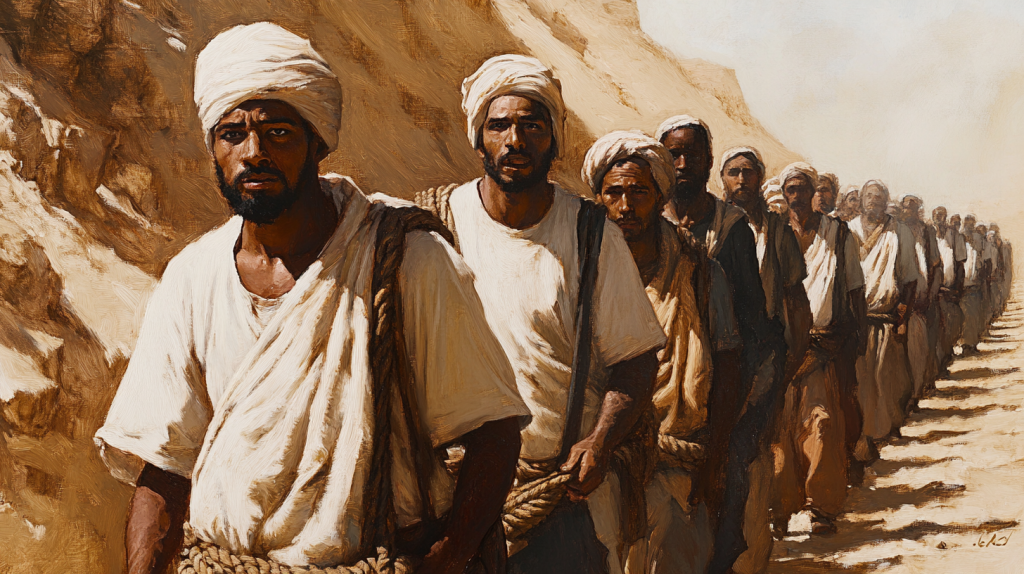
The concept of a “yoke” in the Bible carries profound theological and metaphorical implications that resonate through various passages and teachings. While commonly associated with agricultural practices, the idea of a yoke transcends mere physicality, embedding itself within social, spiritual, and emotional dimensions of life. This exploration delves into the multifaceted meanings of a yoke in Scripture, presenting a layered understanding of its significance in the lives of believers.
First and foremost, the agricultural origin of the yoke is paramount. Traditionally, a yoke is a wooden beam used to connect two oxen or other draft animals, enabling them to work in tandem. This imagery is vividly illustrated in the Bible. In the Old Testament, particularly in the books of Deuteronomy and Jeremiah, the yoke serves as a symbol of subjugation and burden, representing the weight of oppression that the people of Israel faced under foreign domination. The yoke connotes a loss of freedom, a theme echoed in the prophetic literature where God calls His people to liberation.
Moreover, the metaphor of yoke finds its pivotal moment in the New Testament with the teachings of Jesus. In Matthew 11:28-30, He invites those who are weary and burdened to take upon themselves His yoke. This passage profoundly contrasts the oppressive yokes of sin and societal expectations with the gentle and light yoke that Christ offers. Here, Jesus emphasizes compassion and grace, revealing that true rest and solace come not from evading responsibilities but from embracing a partnership with Him. The yoke symbolizes an intimate relationship, one in which believers co-labor with Christ, drawing strength from His presence while alleviating life’s burdens.
Exploring the nuances further, one can discern that yoke extends beyond the relationship between Christ and the believer. It also touches upon the collective responsibility within a community of faith. Believers are called to bear one another’s burdens, fostering unity and support within the Body of Christ. This communal aspect of yoke signifies the importance of fellowship and collaboration in spiritual endeavors, encouraging members to uplift each other as they navigate the challenges of life.
In addition to its communal connotations, yoke also invites contemplation on the duality of obedience and freedom. Throughout Scripture, living under God’s commandments is often depicted as taking on His yoke. This is not merely a call to follow a set of rules, but rather an invitation to experience true liberty within the divine structure of life. In Galatians 5:1, Paul asserts that it is for freedom that Christ has set believers free, urging them to stand firm and not be burdened again by a yoke of slavery. It calls to mind the paradox that true freedom often comes from surrendering to a greater authority.
The juxtaposition of yoke and freedom further illustrates the journey of faith. As one navigates the complexities of life, the yoke serves as a reminder of the commitment to a path that is often fraught with challenges. Walking with Christ, while liberating, entails a responsibility that shapes the believer’s character. This transformative journey is a continuous act of surrender and renewal, reflecting the dynamic nature of faith.
Additionally, understanding yoke in a biblical context necessitates a recognition of the historical and cultural significance attached to it. In ancient times, the yoke was not only a practical tool but also a symbolic representation of social status and power dynamics. The yoke could signify dominion, as in the case of conquerors imposing servitude on their defeated foes. Conversely, it could also represent the shared labor between equals, such as in the case of family farms where generations worked alongside each other. This cultural backdrop enriches the biblical narratives, adding depth to the significance of yoke as both a burden and a bond.
Moreover, the Renaissance of yoke symbolism can be discerned in contemporary interpretations of faith. Modern believers often engage with the metaphor in light of their everyday struggles. The busy, chaotic rhythms of current life echo the burdens that ancient peoples experienced. Rediscovering the lightness of Christ’s yoke, today’s Christians are urged to re-evaluate what they carry in their lives—whether it be anxiety, ambition, or relational conflicts. In this light, the yoke transforms from a mere agricultural instrument to a spiritual tool for social and emotional healing.
As one contemplates the various facets of yoke, it becomes apparent that these themes of burden, community, obedience, and liberation intertwine to form a comprehensive understanding of what it means to embrace one’s calling. The yoke encapsulates challenges yet offers hope. It serves as a metaphorical reminder that believers do not tread the path of faith alone; they are accompanied by Christ, and by one another, forging connections and sharing in each other’s journeys.
In conclusion, the biblical concept of yoke invites us into a rich tapestry of meaning. It challenges believers to reflect on their own burdens and the yokes they choose to bear. By embracing the yoke of Christ, one finds strength, purpose, and community, fostering an environment where faith flourishes amid life’s inevitable hardships. In navigating this sacred journey, the yoke becomes both a symbol of alignment with God’s will and an invitation to walk intimately with Him, leading to true freedom within devotion and service.

