

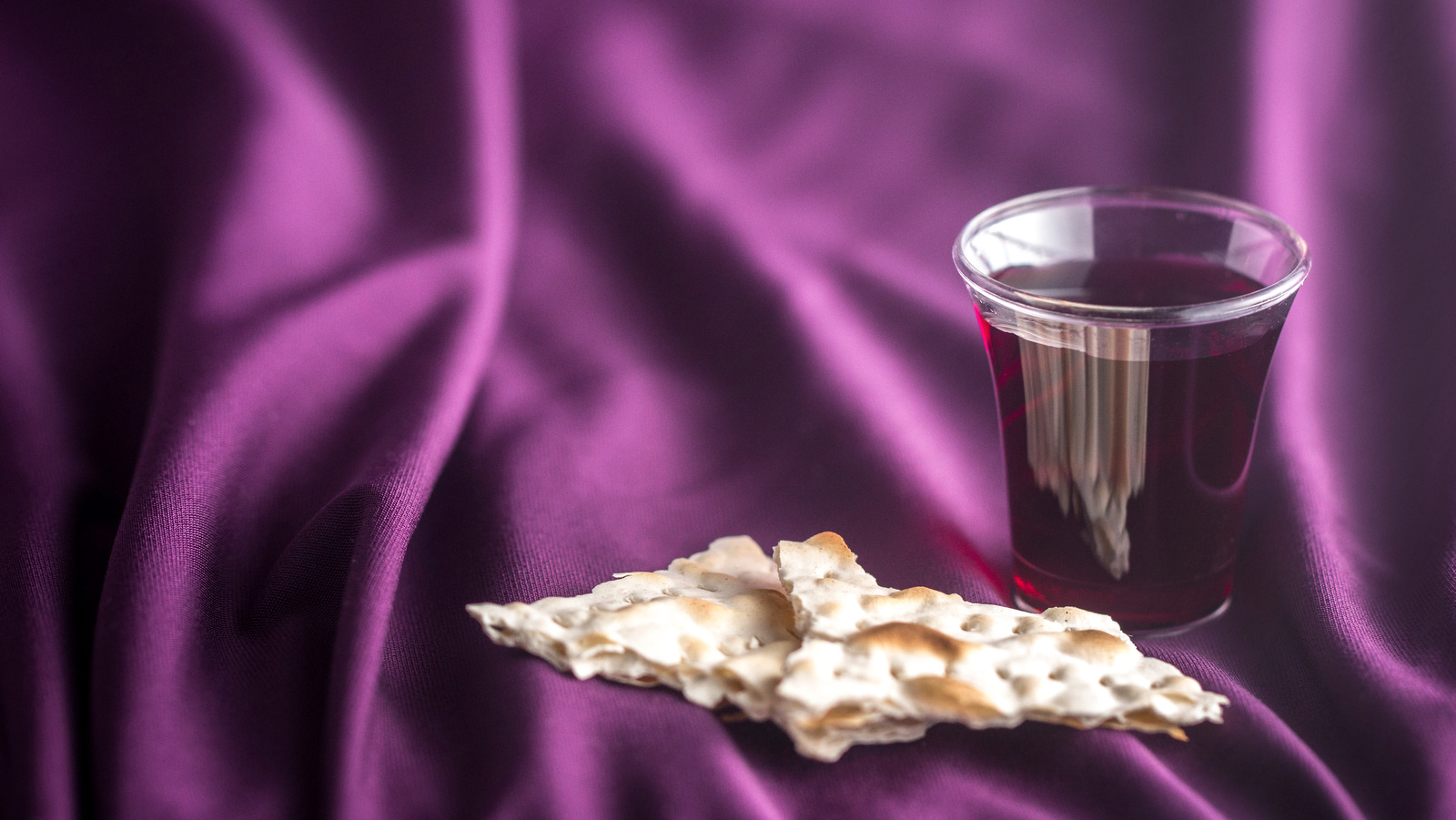
The color purple, with its rich and regal hue, captivates the imagination not merely as a pigment, but as a profound symbol imbued with layered meanings throughout the annals of history, particularly within the sacred texts of the Bible. In this exploration, we shall unveil the multifaceted significance of purple, a color that transcends the corporeal realm and enters the ethereal domain of spirituality and divine representation.
To comprehend the significance of purple within the Biblical context, one must first delve into its historical and cultural origins. In antiquity, the color purple was derived from the secretion of the murex snail, a labor-intensive endeavor that made purple dye prohibitively expensive and thus a marker of affluence and nobility. This exclusivity ties the color closely with power, authority, and the divine. Notably, the ancient Israelites were directed to construct the tapestry of the Tabernacle using purple yarn, thereby associating it with the divine presence and the sanctity of their worship.
In the book of Exodus, the meticulous instructions for the garments of the high priest include the use of purple fabric, symbolizing the sacredness of the role he embodied. This priestly vestment, adorned in purple, acts as a visual metaphor for the connection between the earthly and the divine, a bridge across which sacred rituals traverse. The use of purple in such contexts elevates it from a mere color to a vehicular symbol for spirituality, reflecting the daunting sanctity of office and the celestial realm.
Moreover, purple in the Bible often signifies royalty and kingship. In the Gospel of Mark, we witness a poignant tableau as soldiers drape Jesus in a purple robe, mockingly proclaiming Him as King of the Jews. This juxtaposition of ridicule and regal color evokes an emotional dichotomy, encapsulating the theme of suffering intertwined with sovereignty. The narrative illustrates the paradox of the divine ruler, who, while adorned in the trappings of monarchy, is simultaneously subjected to human contempt. Thus, purple emerges as a complex emblem—a harbinger of both honor and humiliation, reflecting the intricate tapestry of human experience woven throughout Biblical narratives.
Furthermore, the prophetic writings also utilize purple as a metaphor for transformation. In the pages of Isaiah, we encounter the vibrant imagery of the city of Jerusalem, which, after experiencing tribulation, is promised rejuvenation and splendor. ‘Instead of your shame, you will receive a double portion, and instead of disgrace, you will rejoice in your inheritance’ (Isaiah 61:7). Here, the glorification of the city is akin to donning a splendid robe of purple, signaling a metamorphosis from despair to hope. The color operates as a harbinger of restoration, emphasizing the Biblical theme that through trials, one may emerge anew, transformed and resplendent.
In Revelation, purple transcends mere symbolism and enters the realm of apocalyptic imagery. The great harlot of Babylon is adorned in purple and scarlet, a symbol of her opulence and corruption, highlighting the juxtaposition between authentic divine beauty and the deceptive glamor of worldliness. The stark colors serve as a reminder that not all that glitters is divine; rather, they illuminate the perilous seduction of earthly power and desire. Purple, therefore, functions as an alert, a cautionary hue against the lure of materialism and moral decline.
In the realm of metaphysics, the color purple embodies spirituality and divine wisdom, particularly through the lens of mysticism. In many spiritual practices, purple is associated with the crown chakra, an emblem of enlightenment and connection to the universe. This color invites introspection, urging individuals to delve deeper into their spirituality, seeking the divine within themselves and recognizing the greater scheme of existence orchestrated by a higher power. In this sense, purple transcends the Biblical interpretations and invites a deeper odyssey into the realms of self-discovery and enlightenment.
As we reflect on the significance of purple, it becomes increasingly evident that this color, woven intricately through the fabric of scriptural narratives, speaks to the human condition. It represents an amalgamation of majesty and humility, transformation and corruption, divinity and humanity, echoing the spiritual journey that defines the collective human experience. The multilayered symbolism of purple encourages one to contemplate their own journey, to transcend beyond the superficiality of color to uncover the profound depths of meaning that lie beneath.
In conclusion, the color purple within the Bible is more than an aesthetic choice; it encapsulates the complexities of faith and existence itself. It serves as a reminder of the divine and the human, the regal and the humble, the material and the spiritual. As one navigates through the pages of scripture, the color purple beckons, urging the faithful to embrace its deeper meanings and recognize its integral role within the narrative of salvation and the enduring power of transformation. In a world awash with fleeting colors, may we always seek the richness of purple—recognizing its profound capacity to reflect the divine truths that resonate through time and space.

