

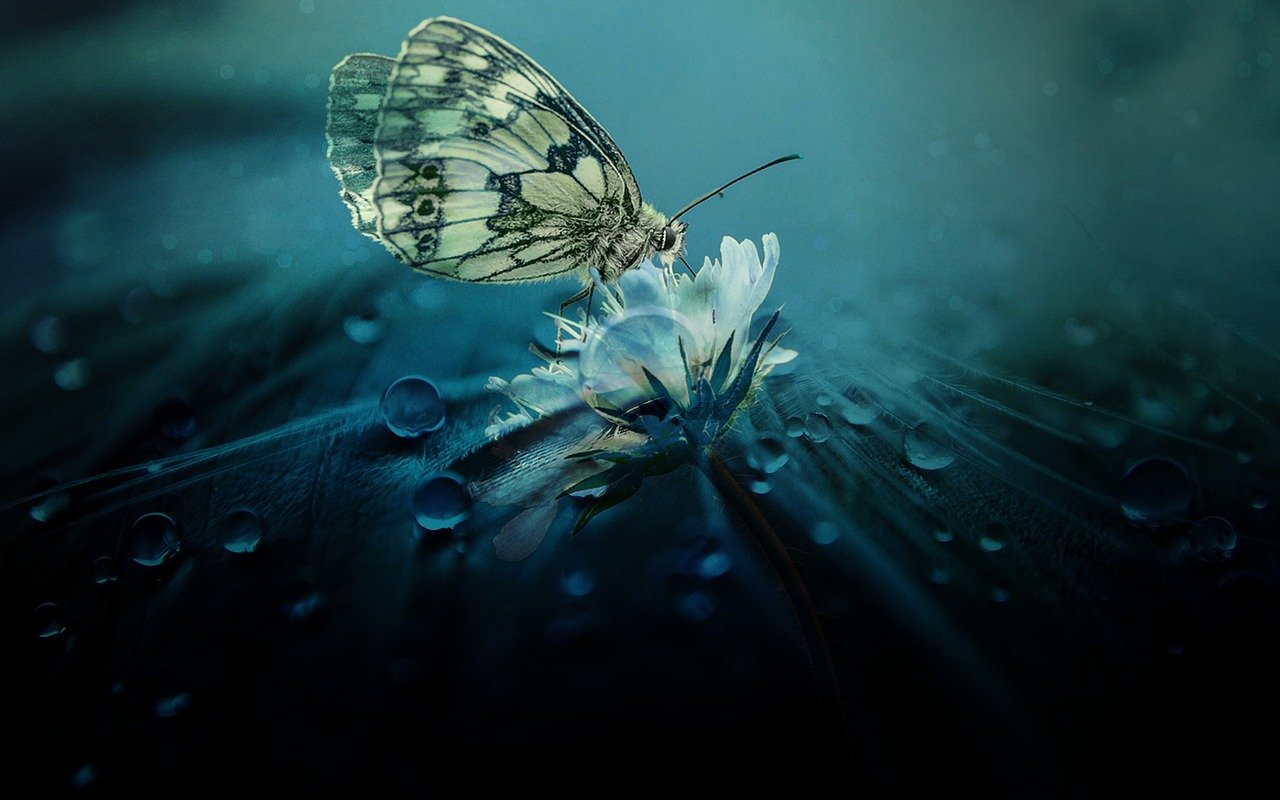
Throughout history, butterflies have captivated the human imagination, fluttering delicately between realms of nature, spirituality, and art. In many cultures, these ephemeral beings are imbued with layers of meaning. The Christian tradition is no exception. Within the biblical text, the symbolism of the butterfly elicits contemplation, akin to the metamorphosis of the soul. To understand the significance of the butterfly in the Bible, one must delve into its life cycle, its theological implications, and its cross-cultural resonance that interweaves with sacred scripture.
At the outset, it is essential to consider the butterfly’s life cycle: an intricate evolution from egg to caterpillar, from chrysalis to the final emergence as a resplendent winged creature. This transformation vividly mirrors the Christian doctrine of resurrection and rebirth. Just as a caterpillar experiences profound change, believers are called to embody a transformation of spirit. Romans 12:2 beckons individuals to “be transformed by the renewing of your mind.” Here lies the core of the butterfly’s symbolic significance: a reminder that spiritual evolution is possible, and through Christ, a far greater metamorphosis is attainable.
The chrysalis stands as a profound metaphor in this visual narrative of change. Within the protective casing, the caterpillar undergoes a hidden process of redevelopment, suggesting that divine work often occurs in silence and seclusion. Much like the internal struggles faced by many, this phase advocates for resilience and patience amidst trials. There is an inherent beauty in waiting—an acknowledgement that transformation is often an unseen journey, imbued with both hardship and grace. More than a whimsical image, the chrysalis underscores the reality that, in faith, there is a period of transition between the challenges of earthly existence and the promise of eternal life.
In scriptural references, while butterflies are not explicitly mentioned, certain passages evoke their symbolism. For instance, the notion of soaring like eagles in Isaiah 40:31 captures the essence of freedom and renewal. Butterflies, too, embody flight, transcending the mundane to join the celestial. This parallels one of faith’s underlying tenets: the promise of divine deliverance. The act of flight suggests liberation, a release from earthly shackles, a theme deeply embedded in the hearts of the faithful.
The transformation of the butterfly also speaks to concepts of hope and resurrection, resonating with the teachings of Jesus Christ. His death and subsequent resurrection signify the ultimate metamorphosis from mortality to immortality—a powerful narrative echoed in the life of the butterfly. The cyclical nature of this creature can inspire believers, fostering a sense of hope that transcends despair. Much like Christ’s resurrection heralds the dawn of a new covenant, so too does the butterfly’s emergence after a period of dormancy herald the arrival of new life. This aspect of biblical symbolism offers a comforting balm to those navigating the complexities of existence, reinforcing the belief that change, while daunting, can yield bountiful rewards.
Moreover, butterflies are often associated with the human soul. This connection, perhaps derived from the idea of the soul’s ability to transcend the physical realm, suggests that each individual’s spirit has the potential for awakening, much like the butterfly that bursts forth into the open air. Much of scripture emphasizes the significance of the soul; it is eternal, destined for a divine journey. The butterfly thus becomes an emblem of the soul’s passage through trials—an assurance of life after death, a testament to the fleeting nature of earthly existence, and a promise of eternity with God.
Interestingly, the butterfly’s beauty is not solely restricted to its physical form; it also serves as a reminder of divine creation. In Psalm 104:24, the psalmist declares, “O Lord, how manifold are your works! In wisdom have you made them all.” This acknowledgment extends to butterflies. Their intricate and iridescent wings, intricate patterns, and vibrant colors reveal the artistry of creation, in which each detail carries profound significance. The butterfly symbolizes the extraordinary within the ordinary and invites admiration for the divine craftsmanship of nature itself.
In addition to its theological associations, the butterfly’s place in Christian symbolism can be observed in artistic expressions, literature, and spiritual reflections. Stained glass windows in various churches depict this delicate creature, showcasing its beauty while highlighting its metaphorical messages. This artistic representation serves to inspire contemplation—encouraging parishioners to assimilate the butterfly’s significance into their personal spiritual journeys.
Furthermore, in contemporary culture, butterflies continue to evoke discussion about themes of change and renewal, often featured in sermons and inspirational quotes. They encourage a collective introspection, reminding individuals of the transient nature of life and the importance of embracing change. The butterfly, as an enduring symbol, allows the faithful community to connect and share experiences of transformation, making it an enduring presence in spiritual discourse.
Ultimately, the fascination with butterflies in the biblical context persists for deeper reasons. They offer not merely a reflection of physical beauty but carry rich symbolism about transformation, hope, resurrection, divine creation, and the eternal nature of the soul. As one gazes upon a butterfly, it is crucial to recognize that within its fragile wings resides a sacred narrative—one that resonates with the heart of Christianity. In the end, the butterfly embodies life’s fragility and the promise of renewal, inspiring generations to embrace their own metamorphoses with grace and faith.

