

In the annals of biblical narratives, few tales resonate with such a rich tapestry of symbolism and moral complexity as that of Jonah. He stands as a testament to the intricate dance between divine instruction and human reluctance. This story, often dismissed as merely a fable of a man swallowed by a colossal fish, offers profound insights into the themes of obedience, repentance, and the universality of mercy.
The saga of Jonah unfurls in a strikingly paradoxical manner. Called by God to proffer a message of repentance to the city of Nineveh, Jonah’s first instinct is to flee. In a metaphorical sense, he embodies the quintessential struggle of humanity—the clash between divine calling and personal aversion. Instead of charting a course toward Nineveh, he boards a ship bound for Tarshish, seeking to distance himself from his celestial mandate. This initial act of defiance sets the stage for a series of events that spiral into chaos, illuminating the inexorable truth that one cannot escape destiny through mere evasion.
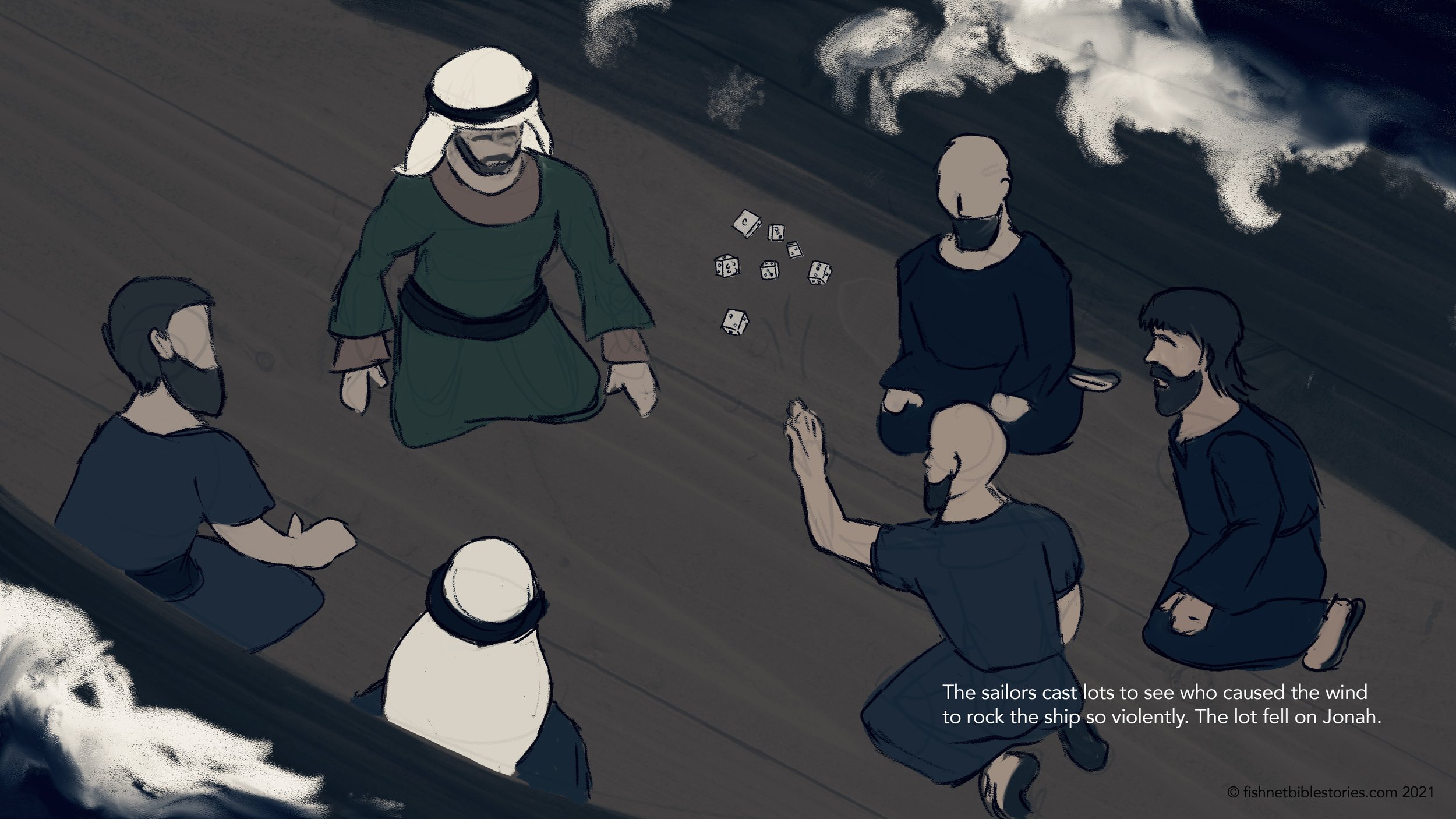
As Jonah’s voyage unfolds, the sea becomes a character in its own right, a tempestuous entity mirroring the internal turmoil of the prophet. A fierce storm arises, casting the ship into turmoil, and the crew, cast in desperation, turns to their respective deities. In this tumultuous tableau, Jonah remains undeniably passive, asleep in the hold of the ship, a striking metaphor for the apathy that often accompanies spiritual rebellion. Here, the storm serves dual purposes—a physical manifestation of divine discontent and a catalyst for Jonah’s awakening to his responsibilities.
Once Jonah is confronted by the ship’s crew, he reveals the truth of his identity and his flight from God. With an air of resignation, he volunteers to be thrown overboard, uttering a poignant declaration of acceptance of his fate, a moment laden with introspection. As he is cast into the churning abyss, the waters still in response, symbolizing how acceptance and surrender can yield peace even in the throes of chaos.
What follows is perhaps the most fantastical element of the narrative: Jonah’s three days and nights within the belly of a great fish. This space, dark and confining, becomes a womb of sorts—a place of transformation and rebirth. Within this visceral prison, Jonah engages in heartfelt prayer, a sincere admission of his missteps and a plea for redemption. It is here that the metaphor deepens; the belly of the fish signifies a liminal space, a threshold between despair and salvation, where true reflection can lead to divine forgiveness.
Emerging from his confinement, Jonah’s transformation is palpable. Spit forth onto dry land, he now carries the weight of wisdom gleaned from his odyssey. Jonah proceeds to Nineveh, where he announces God’s impending judgment. Miraculously, the inhabitants respond with profound contrition, shedding their wickedness in favor of repentance. This response underscores a critical aspect of the narrative: the boundless capacity for change, not just within oneself, but also within entire communities.
Yet, Jonah’s journey does not end there. Despite witnessing the metamorphosis of the Ninevites, he harbors resentment, showcasing the complex duality of human emotion. Even after divine mercy is bestowed upon those he deemed unworthy, Jonah grapples with disillusionment, embodying the struggle between human logic and divine grace. The story reverberates, suggesting that mercy often defies human expectations, challenging the very nature of righteousness and condemnation.
In conclusion, the tale of Jonah offers more than mere intrigue; it encapsulates the transformative power of obedience, the importance of introspection, and the boundless nature of divine mercy. As we traverse the waves of our own discontent and reluctance, Jonah’s story beckons us to embrace our own calling with courage, reminding us that no one is beyond the reach of grace.

