

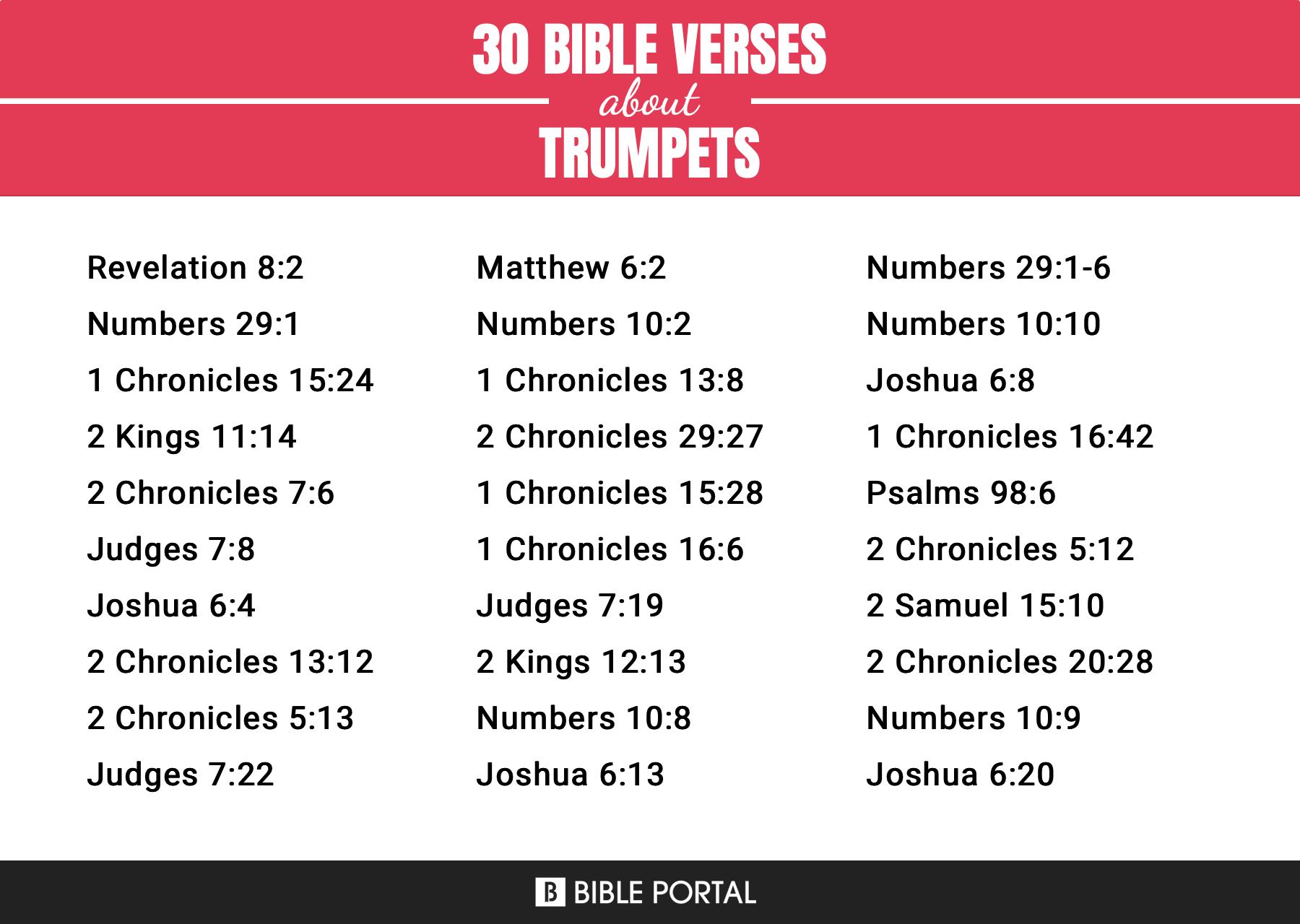
Throughout the tapestry of biblical narrative and imagery, trumpets emerge as profoundly significant symbols. They resonate with themes of divine communication, heralding momentous events, and invoking the solemnity of gatherings. Their multifaceted roles range from instruments of worship to messengers of judgment. This exploration delves into the diverse aspects of trumpets as depicted in the Bible, unveiling their historical context, theological significance, and the intricate symbolism they embody.
1. The Historical Context of Trumpets
Trumpets have been utilized since ancient times, with their origins tracing back to the days of the Israelites. Crafted primarily from ram’s horns known as shofars, these instruments were integral to the cultural and spiritual life of the Hebrews. The shofar, with its unique sound, was more than just a musical device; it provided a connection to the divine. Over centuries, trumpets made of metal—such as silver—were also embraced, enhancing their usage in ceremonial practices.
In the pentateuchal books, we encounter the requisition of silver trumpets. Numbers 10 details their specific purpose: they were employed to summon people to gather or to signal movement during the Israelites’ wanderings in the desert. Each blast carried distinct connotations, reflecting not only a call to assembly but also serving as a reminder of God’s presence and guidance.
2. Trumpets as Instruments of Worship
Worship in the Old Testament often included various forms of musical expression, and trumpets played a pivotal role in this orchestration. In Psalm 150, the call to praise God is emphatically articulated through music, encouraging the congregation to use trumpets as instruments of joyful exaltation. This underscores the concept that music, especially the resonating sound of trumpets, was an essential component of spiritual practice, enhancing the communal experience of worship and reverence.
Additionally, the celebration of significant feasts, such as the Feast of Trumpets, reveals the importance of these instruments within the liturgical calendar. This sacred occasion, marked on the first day of the seventh month, signified both a time of reflection and a heralding of the new agricultural year. The trumpet’s blast symbolized an invitation to repent, renew faith, and acknowledge God’s sovereignty over creation.
3. Symbolic Connotations of Trumpets
In the biblical canon, trumpets signify much more than auditory signals; they embody numerous symbolic meanings. They are often associated with divine judgment and the announcement of God’s intentions. The Book of Revelation presents a vivid tapestry where seven trumpets are sounded, each heralding catastrophic events as part of a divine plan. These trumpets serve as harbingers of apocalyptic occurrences, emphasizing a transformative narrative that spans the spectrum of hope and woe.
Furthermore, the imagery associated with these trumpets conveys a powerful motif of urgency. The sound of a trumpet often commands immediate attention, compelling the listener to react. This metaphor of alertness resonates deeply within spiritual contexts, where the call to vigilance is paramount. The prophetic tradition in the Bible amplifies this theme, urging God’s people to heed the warning signals that accompany divine pronouncements.
4. The Trumpet Call and Resilience
In moments of distress or impending crises, the sound of a trumpet encapsulates resilience and rallying. Throughout narratives of conquest and trial, the trumpet’s voice has often ignited courage among the faithful. For instance, during the walls of Jericho’s siege, the strategic use of trumpets—signifying victory through faith—exemplifies how these instruments can shift the tides of battle. The ensuing collapse of the walls reveals an allegory of spiritual triumph that transcends mere physicality.
Moreover, the clarion call of the trumpet can symbolize hope. This duality simultaneously captures the essence of warning and the promise of redemption. As the Apostle Paul states in 1 Corinthians 15:52, the “last trumpet” will herald the resurrection and transformation of believers. This speaks to an ultimate culmination of faith where the trumpet’s sound bridges the temporal with the eternal.
5. Modern-Day Reflections on Biblical Trumpets
In present times, the trumpet continues to hold a vital place within various religious practices and cultural expressions. Many congregations incorporate musical trumpets into their worship settings, reviving the biblical tradition of using sounds to summon the faithful. There exists a profound recognition that, through melody, one can experience a semblance of heaven on earth—a call to deeper spiritual engagement.
Moreover, the concept of trumpets resonates within socio-political movements, echoing themes of justice and societal awakening. Just as Biblical trumpets served as cries for attention to divine matters, contemporary activists utilize metaphorical trumpets to raise awareness around injustice and ecological preservation. This parallel emphasizes the enduring relevance of the trumpet as a symbol of empowerment, urging collective action for a better future.
Conclusion
The exploration of trumpets in the Bible unveils their comprehensive richness, revealing their roles as instruments of worship, symbols of judgment, and calls for resilience. From the ancient practices of the Israelites to modern interpretative expressions, trumpets serve as profound reminders of the interconnectedness of the divine and human experience. Their sound continues to reverberate through time, inviting all to listen attentively and respond accordingly to the sacred call that is echoed within the pages of Scripture.

