

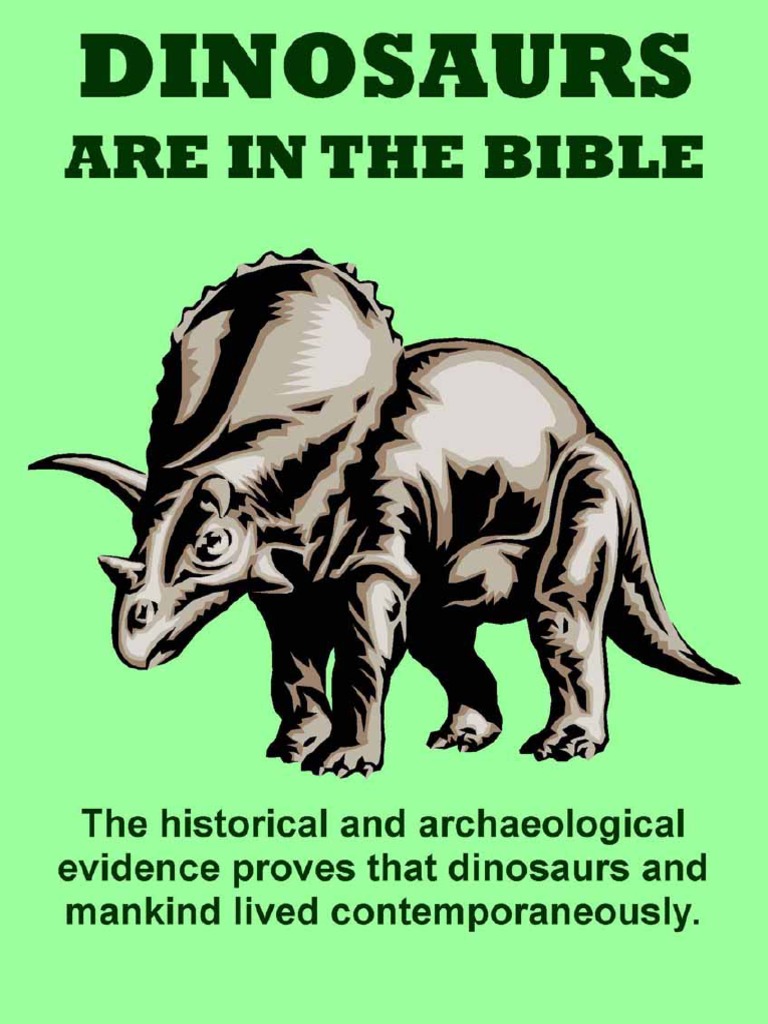
When contemplating the enigmatic extinction of dinosaurs through the lens of biblical teachings, one may unravel a tapestry of ancient wisdom intertwined with the mystique of creation. The Bible, while ostensibly silent on specific prehistoric creatures, offers profound insights into the nature of existence, divine sovereignty, and the intricate balance of life. This exploration invites both skepticism and wonder, urging us to examine the intersection of faith and science through a biblical prism.
One avenue to understanding extinction from the biblical standpoint is the theological dichotomy between creation and destruction. The Book of Genesis elucidates the magnificence of creation, describing the emergence of life in wondrous detail. Yet, the narrative also encompasses the concept of divine judgment, which, in various interpretations, may extend to the demise of once-mighty creatures like dinosaurs. This perspective brings forth thought-provoking implications about the moral fabric of existence and the transient nature of life on Earth.
Further examination reveals the prophetic foresight embedded in the scriptures. The notion that all living beings are part of God’s grand design suggests an inherent purpose, even for those species that have vanished from our planet. Genesis speaks to the flourishing of life before the fall, an era characterized by harmony among creatures. The unimaginable diversity of life forms raises questions: Did the dinosaurs coexist within this idyllic environment, or were they part of a primordial world that faced eventual reckoning? This inquiry invites curiosity, as one considers how spiritual beliefs intersect with paleontological evidence.
The Book of Job presents another intriguing angle. Job, often referred to as a figure of patience and sufferance, engages in discourse about the majesty of God’s creations. The imagery of leviathan and behemoth in Job can be interpreted as references to colossal creatures that evoke the strength and power of legendary dinosaurs. This textual allusion tantalizes our imagination, potentially suggesting that the ancients were indeed aware of beyond-ordinary beasts, drawing parallels between the divine and the ferocious denizens of a bygone era.
Moreover, the concept of stewardship in Genesis resonates deeply when contemplating extinction events. The call to tend to the Earth and its inhabitants infers a responsibility not only for current living beings but for the monumental legacy of those lost. The extinction of dinosaurs can thus be perceived as a cautionary tale—a reflection of humanity’s profound impact on the environment and a reminder of the fragility of ecosystems. The biblical narrative urges a reconsideration of how we engage with our world today, hinting that neglect of our stewardship may still echo the lessons of the past.
Pondering the eventual fate of dinosaurs through a biblical lens introduces fascinating theological discussions. Some theologians propose that extinction, while tragic, is a manifestation of God’s overarching narrative of redemption, serving to pave the way for the emergence of new life forms, including humanity. This viewpoint implores believers to view the passage of time not merely as cycles of death but as a continuum imbued with purpose and promise.
In conclusion, while the Bible does not explicitly address the intersection of faith and the extinction of dinosaurs, it invites contemplative engagement with the broader themes of creation, stewardship, and divine purpose. It challenges its readers to adopt a multifaceted perspective that intertwines scientific inquiry with theological reflection. Ultimately, the exploration of what the Bible might say about dinosaurs and their extinction not only piques curiosity but also transforms our perception of the natural world, beckoning us toward a deeper understanding of our own place within the cosmos.

