

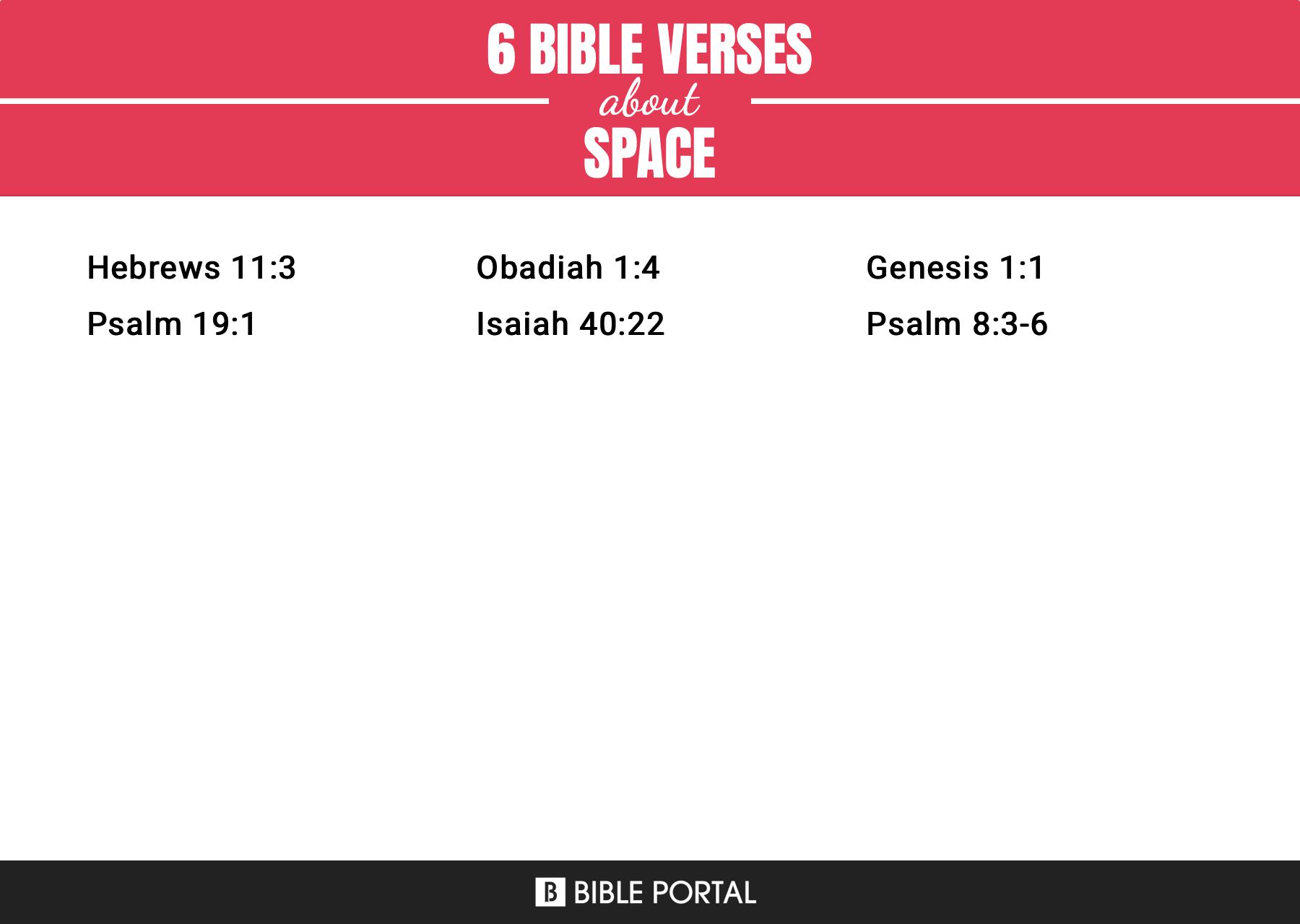
The vastness of space has long captivated humanity, inspiring awe and wonder. For many, this infinite expanse evokes questions that probe the very fabric of existence. Strikingly, the Bible also engages with the concept of space, offering profound insights that encourage a shift in perspective. By exploring biblical verses intertwined with themes of creation and infinity, one can uncover a tapestry of divine imagery that reflects the majesty of the cosmos.
In the very beginning, the book of Genesis introduces the cosmos not as a mere backdrop for earthly existence, but as a carefully crafted creation radiating the glory of the Creator. “In the beginning, God created the heavens and the earth” (Genesis 1:1). This assertion evokes a sense of grandeur, as it captures the initiating moment of time itself and the genesis of the universe. Each celestial body, from the distant stars to the swirling galaxies, is imbued with divine purpose, symphonizing the relationship between God and His creation.
Job 26:7 offers a striking image: “He stretches out the north over empty space and hangs the earth on nothing.” This verse poetically depicts the earth suspended in the void of space, inviting contemplation on its precarious existence. The imagery is evocative of the delicate balance that governs heavenly bodies and earthly life alike. By emphasizing the expanse of “empty space,” the scripture beckons readers to ponder the magnificence of creation, highlighting both the insignificance and significance of our planet within the boundless cosmos.
Furthermore, Psalm 19:1 celebrates the heavens as a testament to divine craftsmanship: “The heavens declare the glory of God; the skies proclaim the work of his hands.” Here, the cosmos is personified as a herald, articulating the majesty of the Creator through its vastness. Each star, twinkling against the night backdrop, serves as an echo of divine artistry. This passage prompts individuals to recognize that the universe is not a silent void, but a vibrant expression of God’s power and creativity.
Conversely, in Isaiah 40:22, we are reminded of God’s omnipotence: “It is he who sits above the circle of the earth, and its inhabitants are like grasshoppers; who stretches out the heavens like a curtain and spreads them like a tent to dwell in.” This imagery dramatically shifts the perspective from human concerns to the profound vastness of divine sovereignty. The depiction of the heavens as a tent elaborates on the concept of space as a sheltering, encompassing entity that cradles creation itself.
Moreover, the Bible speaks to the purpose within the cosmic order. Colossians 1:16 asserts, “For by him all things were created, in heaven and on earth, visible and invisible.” This verse encapsulates how everything—be it seen or unseen—forms part of a divine orchestration. It invites reflection on the interconnectedness of life and the expanses beyond our perception. The concept of ‘invisible’ phenomena resonates with modern scientific pursuits, which delve into realms such as dark matter and the fabric of spacetime.
In Revelations 21:1, the promise of a new creation emerges: “Then I saw a new heaven and a new earth, for the first heaven and the first earth had passed away.” This declaration not only alludes to cosmic renewal but also imbues hope and transformative promise. It serves as a poignant reminder that, while the universe is awe-inspiring, there exists a transcendent reality beyond it—a reality imbued with divine purpose and eternal significance.
In conclusion, the Bible’s exploration of space transcends mere celestial acknowledgment. Each verse serves as a doorway, urging readers to recalibrate their perspectives on both the universe and their place within it. Through these sacred texts, one glean insights that harmonize spirituality with the infinite cosmos—a journey that invites profound curiosity and reverence for the Creator’s masterpiece.

