

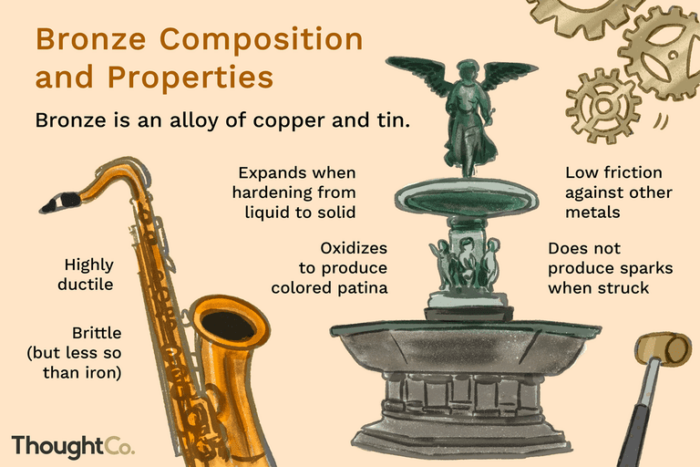
Bronze holds a significant place within the annals of biblical symbolism, often emblematic of strength, judgment, and divine authority. Its usage spans historical contexts and serves various purposes, from sacred implements to shields in battle. The material itself, an alloy of copper and tin, is renowned for its durability and resistance to corrosion, making it an apt metaphor for the enduring nature of God’s covenant with humanity.
In the Old Testament, bronze frequently appears in descriptions of the Tabernacle and Solomon’s Temple. The brazen altar, for instance, represents the foundation of sacrificial worship. This altar, constructed from bronze, stands as a testament to the importance of atonement and the weight of sin. It suggests that although God’s people are flawed, the opportunity for redemption is constant and accessible.
The act of purification plays a crucial role in understanding bronze’s representation. In Exodus 27:2, the instructions for making the altar specify that it be made of bronze, thereby linking it to themes of sacrifice and cleansing. As offerings were made upon this altar, the bronze absorbed the symbolism of sacrifice, becoming an eternal reminder of the necessary shedding of blood for the reconciliation of sins.
Moreover, bronze also signifies authority and judgment. In the Book of Job, we encounter the phrase, “He casts no bronze shackles upon me,” suggesting the unyielding nature of God’s oversight and the weight of judgment that can accompany it. This instance highlights how bronze is associated not only with severity but also with the protective nature of divine authority. Just as bronze shields warriors in battle, God’s protective judgment fortifies believers against spiritual adversities.
The interpretation of bronze evolves in the context of prophetic literature. In the visions of Daniel, bronze materializes as part of the statue symbolizing earthly kingdoms, representing strength and impermanence. The transition from gold to silver to bronze illustrates a decline in purity and value, a captivating observation that speaks to the moral degeneration of humanity across epochs. This hierarchy poignantly encapsulates the transient nature of earthly power, juxtaposed with the eternal nature of divine rulership.
In addition to this, bronze serves as a symbol of the dichotomy between strength and fragility. While it conveys fortitude, it can also be broken, a duality that resonates throughout biblical narratives. The Bronze Serpent, crafted by Moses to heal the afflicted Israelites, encapsulates this notion perfectly. The serpent, a symbol of sin, is elevated with bronze, suggesting that through recognition and confrontation of sin, healing and redemption are available. Here, we see the transformative power of repentance, a theme central to both the Old and New Testaments.
Pondering the fascination surrounding bronze in biblical texts invites contemplation of the interwoven relationship between humanity and the divine. The enduring material parallels God’s timeless truths, speaking of human frailty in the face of divine strength. As history unfolds, the symbolism of bronze is ever-present, urging believers to ponder the profound implications of judgment, sacrifice, and authority while navigating their spiritual journey.
In conclusion, bronze represents a rich tapestry of meaning woven through the scriptures. It mirrors the complex nature of the divine-human relationship, illustrating how the seemingly mundane material can encapsulate the essence of God’s interaction with humanity. As seekers of faith grapple with these symbols, the allure of bronze transcends its physical attributes, beckoning believers to explore deeper spiritual truths that resonate through the ages.

