

What does the Bible reveal about the Earth? This inquiry is not merely academic; it challenges us to examine our relationship with nature through a spiritual lens. Can scripture inspire a deeper reverence for our planet? How might these teachings encourage us to take on the mantle of stewards of creation? Let’s delve into the manifold insights the Bible offers regarding Earth, exploring its significance, responsibilities, and our symbiotic connection with the natural world.
The very beginning of the Bible sets a profound tone about the Earth’s value. In the Book of Genesis, it is articulated that God created the heavens and the Earth, signifying not only the existence of our planet but also its inherent goodness. “God saw all that he had made, and it was very good.” This declaration serves as an invitation to appreciate the intricate beauty and complexity of the natural world around us. The biblical narrative posits that Earth is more than a mere backdrop for human existence; it is a vibrant, living entity filled with divine purpose.
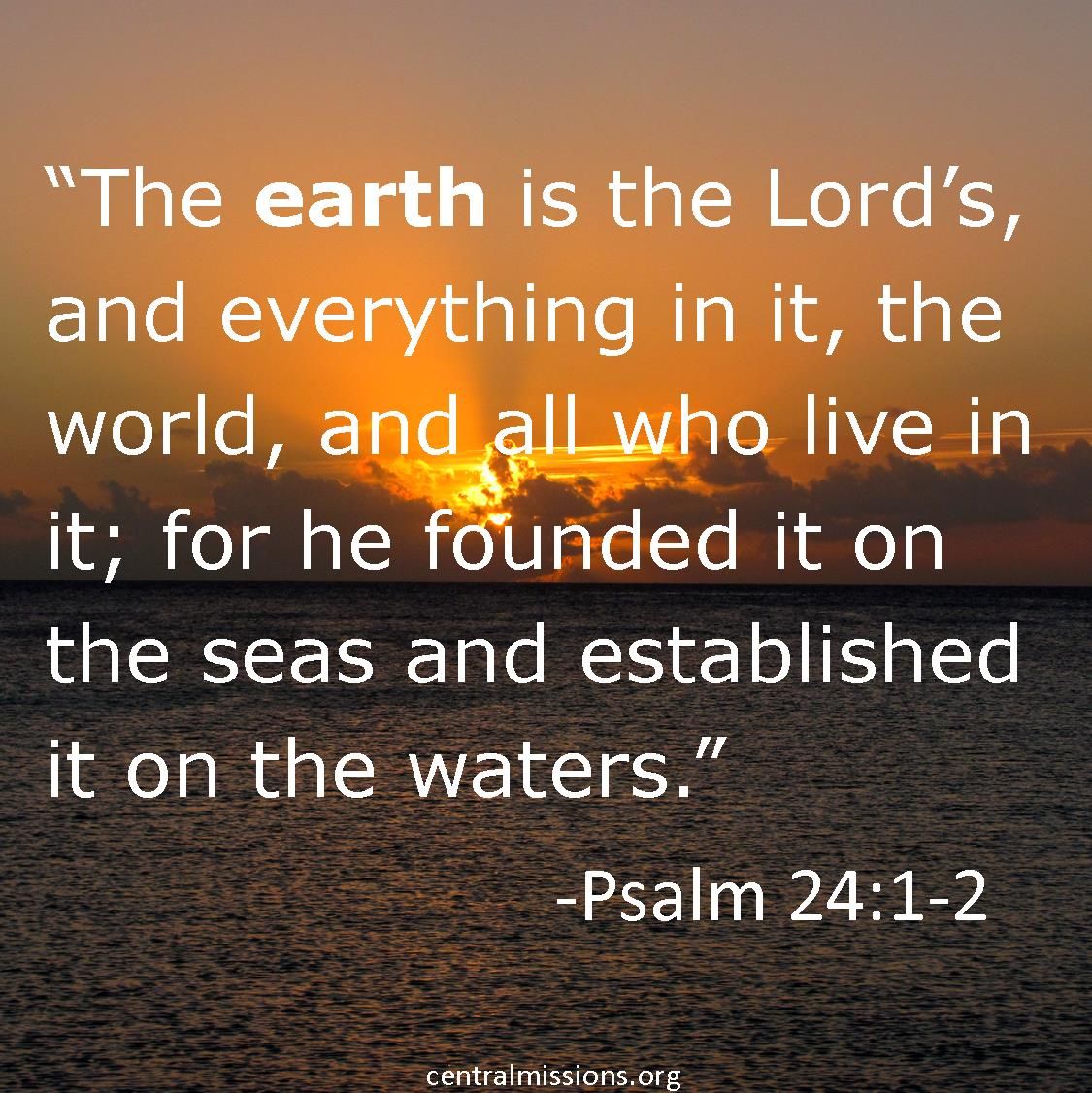
As stewards of creation, humans are conferred with a sacred responsibility. In Genesis 1:28, God commands humanity to “fill the Earth and subdue it.” This directive has often been misconstrued as a license for exploitation. However, a closer examination reveals a call for stewardship, implying that humanity’s dominion over the Earth should manifest as care rather than destruction. This notion of stewardship is echoed in Psalm 24:1, which reminds us that “The Earth is the Lord’s, and everything in it.” Recognizing Earth’s ownership belongs to the divine encourages a sense of accountability and respect for the planet.
Furthermore, the concept of Sabbath extends beyond a mere day of rest for humans; it also applies to the Earth itself. In Leviticus 25, the command for a sabbatical year reflects God’s concern for the land’s well-being. Every seventh year, farmers were to let their fields lie fallow, allowing for rejuvenation and sustainability. This ancient practice teaches us that care for the Earth is cyclical and requires intentional pauses to replenish our resources. How often do we engage in practices that allow the Earth to rest and recover?
The teachings of Christ further enrich our understanding of Earth’s sacredness. In the New Testament, Jesus often used nature in his parables to convey profound truths. For instance, in Matthew 6:26, He points to the birds of the air, emphasizing the divine provision that allows them to thrive without worry. This perspective invites a playful question: What lessons could we learn by observing the natural world around us? It compels us to consider how our anxieties and worries might dissipate when we cultivate a closer bond with nature.
The Bible also underscores the interconnectedness of ecosystems. In Job 12:7-10, it states, “But ask the beasts, and they will teach you; the birds of the heavens, and they will tell you; or the bushes of the earth, and they will teach you…” This passage suggests that Earth is a classroom, filled with wisdom waiting to be discovered. Each creature, every grain of soil, and every drop of water plays a vital role in our shared existence. Are we truly attuned to the lessons the Earth is eager to impart?
In conclusion, the Bible offers profound insights into our relationship with the Earth, portraying it as a sacred trust. It emphasizes stewardship, reverence, and a commitment to sustainability. By engaging with these teachings, we can foster a deeper appreciation for our planet and acknowledge our role as caretakers. As custodians of creation, we are called to reflect on how our actions impact the Earth. Are we up for the challenge of embracing this responsibility, cultivating harmony with our environment? The answers may not be simple, but they are invaluable in guiding us toward a more sustainable future.

