

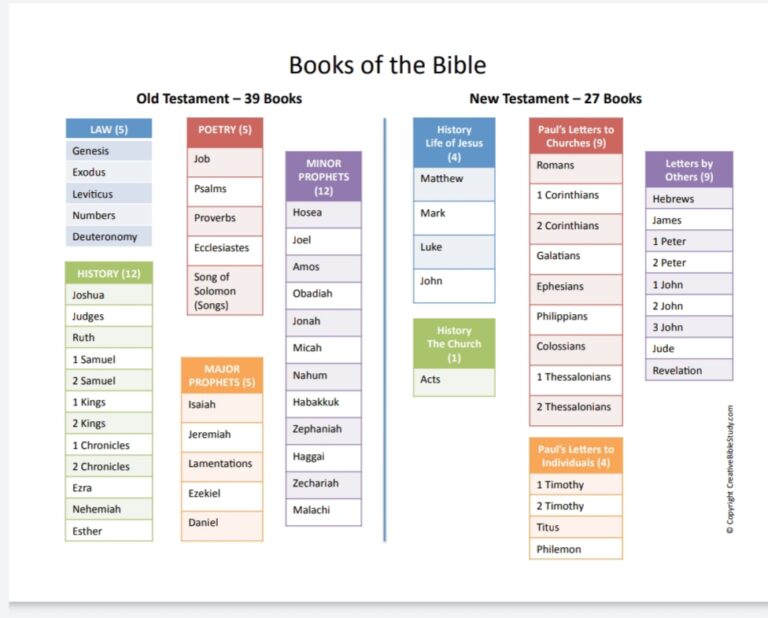
Reading the Bible can be akin to embarking on a profound odyssey, one that invites readers to traverse a landscape steeped in history, morality, and spirituality. However, given the text’s depth and breadth, one may wonder, “In what order should I read the Bible?” This question is not merely logistical; it provokes contemplation about the approach to such a sacred text. Herein lies a comprehensive guide designed to illuminate your reading journey.
To begin, appreciating the Bible’s structure is paramount. The Bible is divided into two principal sections: the Old Testament and the New Testament. Each section serves distinct purposes and offers varying narratives, which shapes the reader’s understanding. The Old Testament, replete with history, poetry, and prophecy, lays the foundational context for the New Testament’s themes of redemption and grace.
One effective method for reading the Bible is chronologically. This approach unravels the stories not just by their placement in the text, but by the sequence of events, allowing a coherent narrative to emerge. Commencing with Genesis, a wealth of stories—from the Creation to the genealogies of the patriarchs—establishes the groundwork of faith and obedience. Subsequently, journey through Exodus, where the Exodus narrative invites profound reflections on liberation and divine promise.
Transitioning to the historical books, one encounters Joshua through Kings, offering insights into the Israelites’ settlement and monarchy. This period is pivotal, as it reveals the trials and tribulations of choosing divine aims versus earthly desires. As you navigate through these teachings, consider the implications of leadership and divine providence in your own life.
Next, devouring the wisdom literature, including Psalms and Proverbs, fosters introspection. These texts shimmer with poetic beauty and pragmatic wisdom, cultivating a deep sense of understanding. One may find solace in the metaphoric richness of the Psalms or the proverbial insights that spare neither the wise nor the fool. They awaken a sense of emotional resonance that many readers find poignantly relevant.
Upon completing the Old Testament, transition to the New Testament. Start with the Gospels: Matthew, Mark, Luke, and John. Each Gospel presents a unique portrait of Jesus’ life and teachings. This segment can radically transform your perspective on faith and humanity, prompting reflective questions about your own beliefs and values. The parables of Jesus are not just stories; they invite profound introspection and a paradigm shift in understanding moral complexities.
After immersing yourself in the Gospels, delve into the Acts of the Apostles, revealing the early Church’s development and its fervent mission to spread the message of Christ. Here, the concept of community arises—an enduring theme. The letters, or epistles, that follow echo this spirit of community and are filled with theological and practical guidance. Reading them can elucidate personal growth and serve as a guide for navigating interpersonal relationships.
Finally, culminate your reading with Revelation. This enigmatic book, steeped in apocalyptic imagery, invites you to ponder the themes of hope and renewal. Engaging with Revelation can provoke curiosity and challenge preconceived notions about the end of time, prompting profound reflection on the nature of faith amidst uncertainty.
In summary, the order in which you read the Bible deeply influences your comprehension and engagement with its teachings. From the foundational stories in Genesis to the contemplative visions in Revelation, each reading chapter offers a fresh perspective. Thus, as you embark upon this transformative journey, remain open to the unexpected insights that await you. Each passage has the potential to reshape your understanding of not only the text but also your life and the world around you.

