

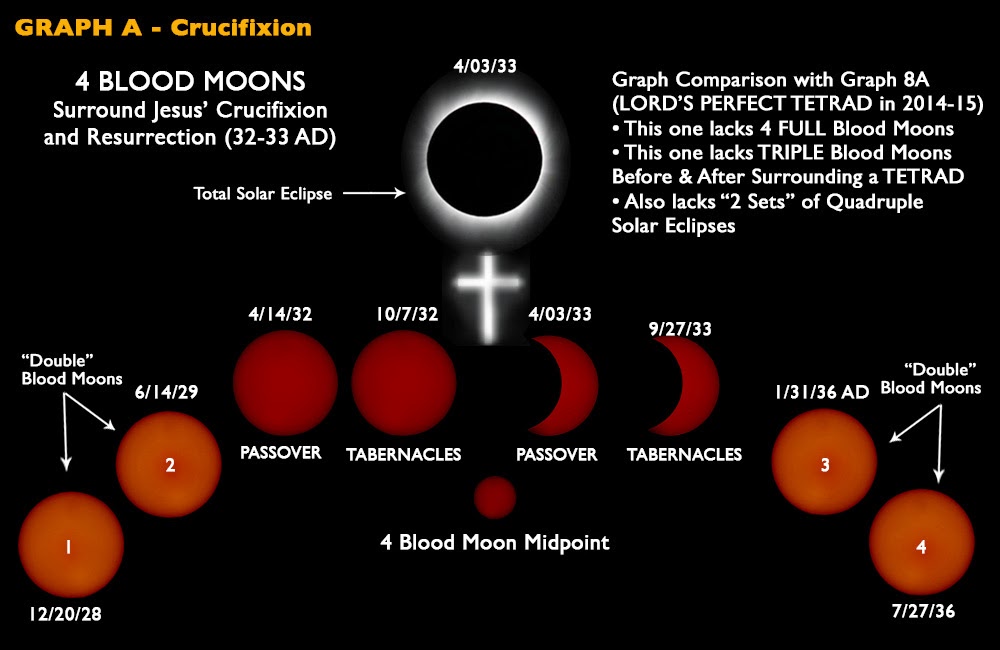
The phenomenon of a blood moon, characterized by its striking crimson hue during a total lunar eclipse, has captivated humanity since time immemorial. Within the context of biblical interpretation, the blood moon evokes a plethora of meanings and symbolism, intertwining themes of prophecy, judgment, and divine mystique. This article delves into the multifaceted significance of the blood moon as interpreted through biblical texts and historical context.
First and foremost, one must examine the prophetic utterance found in the Book of Joel. In Joel 2:31, it is written, “The sun shall be turned into darkness, and the moon into blood, before the great and terrible day of the Lord comes.” This verse stands as a harbinger of impending judgment, suggesting that the blood moon precedes significant divine interventions. Perhaps it symbolizes a moment of transformation and divine awakening, prompting believers to reflect on their relationship with the Creator.
Moreover, the imagery of the blood moon resurfaces in the New Testament. In Acts 2:20, the apostle Peter echoes Joel’s prophecy during his sermon at Pentecost. He asserts that the celestial wonders signify the outpouring of the Holy Spirit. Herein lies a duality of interpretation: while the blood moon serves as an omen of judgment, it simultaneously heralds the advent of spiritual revival and divine empowerment. The conjunction of dread and hope encapsulates the essence of biblical prophecy, drawing believers into a deeper contemplation of faith and readiness.
Similarly, the blood moon is often regarded as a sign of cosmic upheaval, linking the heavens to earthly events. In Matthew 24:29, Jesus declares, “Immediately after the tribulation of those days the sun shall be darkened, and the moon will not give its light.” This eschatological perspective evokes a sense of urgency, as it portrays the blood moon as a precursor to the culmination of history—the return of Christ. Such interpretations invite followers to acknowledge the transient nature of worldly existence and to prepare spiritually for the events that are to come.
However, the discussion of the blood moon transcends mere symbolism; it serves as an intersection of faith and science. Historically, lunar eclipses were often perceived as ominous signs by ancient cultures, leading to various superstitions. For believers today, acknowledging the scientific explanation behind a blood moon—a result of the Earth’s shadow obscuring the moon’s light—can coexist with theological interpretations. This synthesis invites dialogue between faith and reason, as believers can appreciate the natural world while grappling with its spiritual implications.
The cultural significance of the blood moon also cannot be overlooked. Throughout various cultures, lunar events have inspired legends and narratives, imbuing them with meaning far beyond their astronomical reality. The juxtaposition of cultural and biblical symbols allows one to see the blood moon not only as a celestial phenomenon but as a canvas upon which humanity etches its fears, hopes, and spiritual aspirations.
In conclusion, the blood moon occupies a profound space within biblical prophecy and spiritual consciousness. It serves as both a harbinger of divine judgment and a beacon of revival and hope. Its interpretations engender a rich tapestry of meaning that invites readers to contemplate their roles within the grand narrative of creation. As one gazes upon the blood moon, one may find themselves pondering the depths of prophecy, the cycles of history, and the eternal quest for spiritual truth.

