

Long suffering, as articulated in biblical texts, emerges as a profound concept that evokes both intrigue and contemplation. This term encapsulates not merely the act of enduring hardship, but rather an expansive stance towards life’s tribulations, marked by patience, forbearance, and a deep-rooted capacity to empathize. While the notion may seem mundane at first glance, it unfurls layers of meaning that resonate across the eras, transcending cultural contexts and enriching theological discourse.
In the Old Testament, particularly within the Hebrew Bible, the term for long suffering is often rendered as “erech apayim,” translating to “slow to anger.” This phrase aptly captures the essence of divine patience. God’s long suffering is illustrated in myriad narratives, notably during the Israelites’ tumultuous journey through the wilderness. Their persistent complaints and ungratefulness often provoked divine wrath. Yet, in response to their transgressions, God demonstrated extraordinary patience, embodying the essence of long suffering. This highlights a fundamental aspect of divine character: the willingness to endure human frailty while offering opportunities for repentance and redemption.
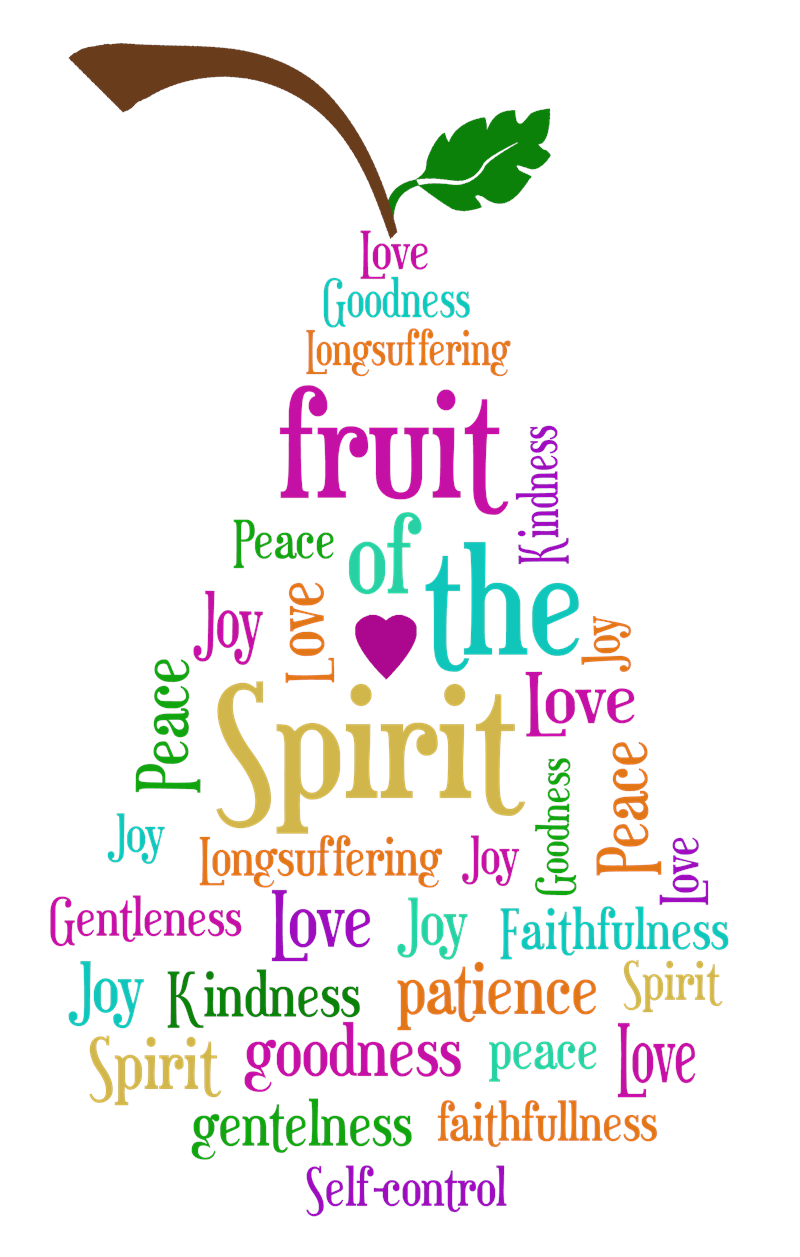
Similarly, the New Testament amplifies the theme of long suffering through various teachings of Jesus Christ and the apostolic writings. For instance, Paul’s letters frequently extol patience as a fruit of the Spirit. Such exhortations underscore the belief that true faith is characterized not solely by doctrinal correctness but by the ability to endure suffering without losing hope or resorting to bitterness. Herein lies a deeper challenge: long suffering calls believers to cultivate an unwavering spirit even amidst overwhelming adversity.
Moreover, the fascination with long suffering in the biblical context prompts reflective contemplation on human relationships and the nature of love. It beckons individuals to consider how often they falter in extending grace toward others. Emulating the divine example of forbearance, humans are exhorted to display kindness even in the face of betrayal and disappointment. This divine model compels a reevaluation of personal relationships, urging one to foster an atmosphere of understanding and compassion rather than injustice and retaliation.
The intricacies of long suffering also reverberate in the realm of personal adversity. Many figures in the Bible, from Job to Joseph, exemplify remarkable endurance. Job, beset by unspeakable loss, grappled with profound despair yet remained steadfast in his belief in God’s sovereignty. His trials became a testament to the transformative power of suffering and the capacity for spiritual growth that emerges from such experiences. This resilience invites believers to redefine their struggles—not merely as burdens but as opportunities for maturation and deepened faith.
In contemporary discussions, the implications of long suffering extend into social and spiritual arenas, providing a framework for engaging with issues such as injustice and societal discord. This biblical principle advocates a posture that pauses to avoid hasty reactions against perceived wrongs. Instead of seeking immediate retribution, the call to long suffering invites thoughtful dialogue and restorative measures. It harnesses the power of patience to facilitate healing and understanding amid conflict.
Ultimately, long suffering in the Bible is both a divine characteristic and a profound human challenge. It encapsulates the essence of love, resilience, and faithfulness—a timeless call to embody patience not only towards others but also towards oneself. In a world that often champions immediacy and gratification, the depth of long suffering beckons a return to fundamentals: an embrace of enduring hope and unwavering faith, resonating through the trials of life.

