

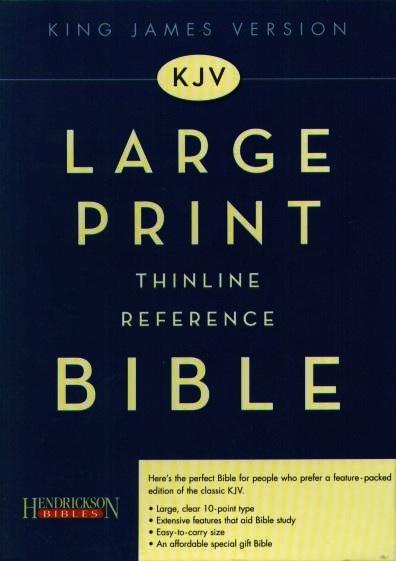
In the world of religious literature, terms can sometimes bewilder those who are unfamiliar with them. For instance, have you ever pondered the question: what does “thinline Bible” actually mean? Could it be simply a trend, or does it represent something more profound in the realm of scripture study? Let’s dive into the intricate facets of this literary gem and unravel both its significance and appeal.
Firstly, the term “thinline” refers not only to the thickness of the Bible but also encapsulates a lifestyle choice for many readers. A thinline Bible is typically designed to be slim and lightweight, making it incredibly portable. Imagine the ease of slipping it into a purse or a briefcase! For modern believers and seekers of spirituality, carrying their faith with them wherever they go is essential. The physicality of a thinline Bible, with its elegant profile, represents both convenience and accessibility.
But what lies beneath this sleek exterior? Thinline Bibles often maintain a high level of functionality, showcasing a range of features like maps, concordances, and notes—elements that enrich the user’s spiritual journey. The challenge, however, arises in striking a balance between form and function. As one navigates through the delicate pages, one may wonder: can a thinline Bible truly serve all your spiritual needs without compromising the richness of the text? The answer often lies in personal preference and requirement.
Thinline Bibles are available in various translations and cover materials, from genuine leather to softcover options. Each choice carries its own set of advantages and disadvantages. A genuine leather cover exudes sophistication and durability, while a softcover might be less expensive and lighter. However, one must consider which material resonates most with their spiritual journey. Does the texture of the Bible invite you to engage deeper, or does it distract? These queries can be pivotal when selecting the ideal thinline Bible.
Page quality and print size also play significant roles. Most thinline Bibles feature high-quality, thin paper that allows for a lightweight design while maintaining legibility. Yet, here’s another challenge: the print size. Is the text readable for your eyes? Thinline editions tend to have smaller font sizes, which may lead to eye strain during long readings or study sessions. The crucial question is, does the compact nature enhance your reading experience, or does it detract from it?
Moreover, the layout is an essential consideration. Various editions experiment with layout designs, often incorporating narrow margins for notes or reflections. However, for those who love to scribble their thoughts alongside scripture, this might pose a challenge. Will the narrow margins stifle your creativity, or will they encourage concise, impactful journaling? Your answer may vary based on how you engage with scripture.
In terms of theology and practicality, thinline Bibles can often be comparative with their full-sized counterparts. They champion portability and ease of use but may lead to some compromises in terms of depth and ancillary materials. This might prompt one to ask: is the compact nature worth it, or does it dilute the extensive exploration often associated with more traditional Bibles?
Ultimately, the allure of thinline Bibles lies in their ability to merge convenience with a dedication to spiritual growth. They invite readers to ponder their needs and intentions, acting as a bridge between the sacred text and daily life. Whether you’re a seasoned theologian or a casual reader, the thinline Bible speaks to a modern audience on the go, nurturing the bond between the individual and the divine. As you consider your next spiritual companion, reflect on what truly matters: the depth, the experience, and the journey—are you ready to embrace the challenge of choosing the right one for you?

