

In the sprawling tapestry of literature that constitutes the Bible, each book serves as a thread, weaving together narratives, laws, poetry, and wisdom. However, for many believers and scholars alike, the quest to identify the middle chapter of this sacred text invokes profound curiosity. This inquiry is not merely academic; it beckons us to explore the symbolic resonance and theological implications of the central portion of the Bible.
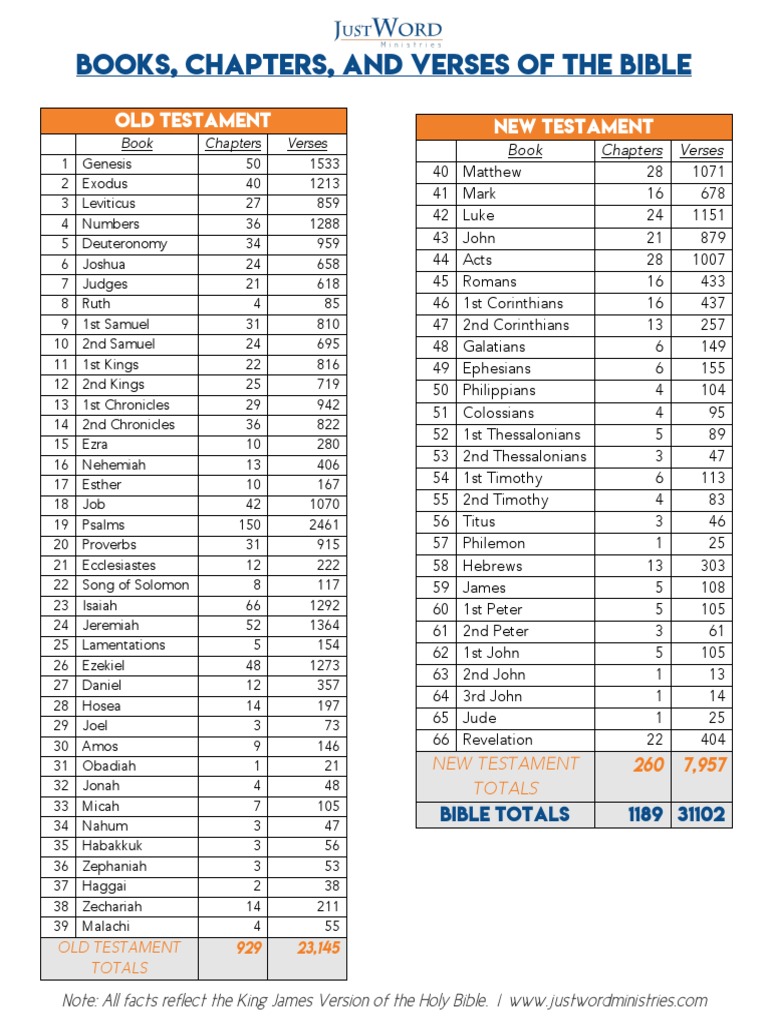
The Bible comprises a total of 1,189 chapters, a staggering figure that encompasses both the Old and New Testaments. Thus, the middle chapter can be found by identifying the 595th chapter, which, intriguingly, is found in the Book of Psalms. Specifically, it is Psalm 117. This psalm, while succinct, brims with an array of significance and thematic richness that belies its brevity.
Psalm 117 is comprised of merely two verses, yet it possesses an expansive universal message. The verses invite all nations and peoples to praise the Lord for His steadfast love and faithfulness. This appeal to the global community is striking in its inclusivity, contrasting with the often segmented narratives encountered elsewhere in the Scriptures. In a world rife with division, Psalm 117 emanates a clarion call for unity under the aegis of divine benevolence.
By examining the centrality of this chapter, one may ponder why it occupies such a significant position within the overall structure of the Bible. Many biblical scholars posit that this placement signifies the heart of the biblical message: an overarching invitation to worship and acknowledge the divine. The call for all nations to praise evokes an image of a world united in reverence, which is an aspiration echoed throughout the scripture.
The simplicity of Psalm 117 also offers a refreshing contrast to the often complex narratives found throughout the Bible. This chapter does not engage in intricate theology or elaborate stories; instead, it presents a distilled essence of worship and acknowledgment of God’s nature. In an age where information is readily available, and theological discourse can become convoluted, this psalm serves as an antidote, reminding us that at the core of faith lies a profound yet simple truth: the necessity of praise.
The positioning of Psalm 117 in the middle of the biblical canon can also inspire a shift in perspective. It invites readers to reflect upon how they engage with scripture. Are we approaching it solely as a historical document or a theological treatise? Alternatively, does it offer a living, breathing narrative that calls us to action? The central psalm ennobles worship, urging us to break down barriers and transcend our preconceptions regarding faith.
Moreover, considering Psalm 117 as the midpoint of the Bible challenges us to think critically about the entirety of the text. What lies before this chapter? What follows? The preceding chapters consist of prayers, laments, blessings, and songs that set the stage for this universal call to worship. Meanwhile, the subsequent chapters lead the reader into reflections on God’s character and intentions, thus framing the essence of praise proposed in Psalm 117.
This exploration does not yield a definitive answer about the meaning of the Bible but rather enriches our understanding of its textual melt. So, as we contemplate Psalm 117 as the middle chapter, we are invited not only to celebrate its message but also to incorporate its imperative into our lives. It pleads for inclusivity, unified worship, and a recognition of the divine that transcends individual narratives. In this way, the middle of the Bible serves as a fulcrum for contemplation, urging us to pivot our perspectives and cultivate a more expansive understanding of faith.

