

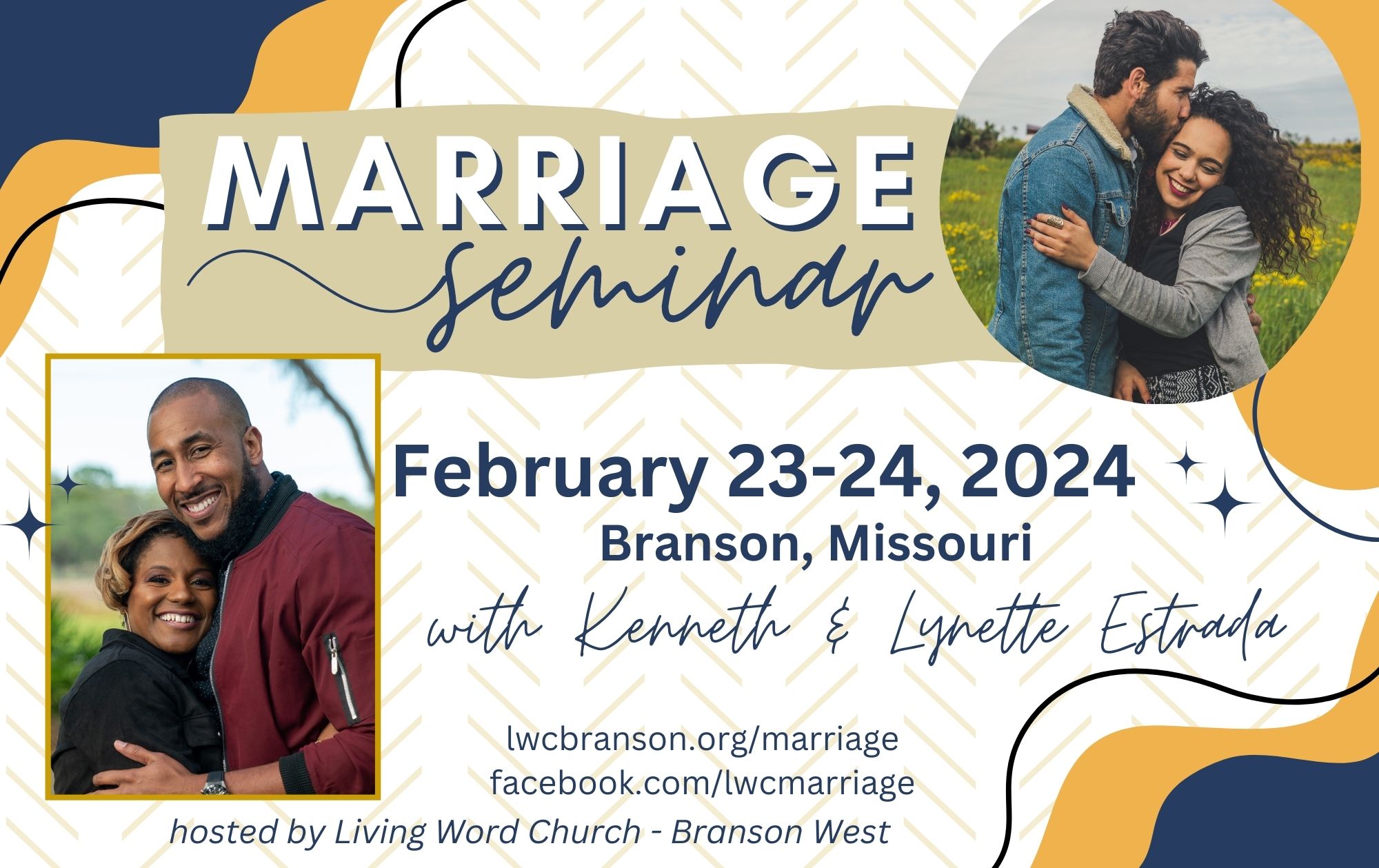
Leading a church marriage seminar is a formidable endeavor that melds theological insight, relational pedagogy, and strategic orchestration into a single, transformative experience. It requires the facilitator to assume the role of both shepherd and guide, weaving together scriptural truth with practical heuristics that speak to the hearts of married couples. When executed with intentionality, such an event can become a catalyst for lasting change, fostering a community where spouses learn to navigate the complexities of partnership with grace and confidence.
Laying the Groundwork: Defining Vision and Objectives
Before drafting a single lesson plan, articulate a clear vision that resonates with the congregation’s ethos. Ask yourself: What doctrinal foundations will anchor the content? Which relational competencies should participants walk away possessing? By establishing measurable objectives—such as improving communication scores by 30 % or increasing reported intimacy levels—you create a roadmap that guides content curation, session design, and assessment. This visionary scaffolding also aids in securing sponsorship, volunteer buy‑in, and budgetary approval, as stakeholders can see the seminar’s purpose crystallized into tangible outcomes.
Curating Content Variety: Biblical Foundations, Communication Skills, Conflict Resolution, Intimacy, and Spirituality
A robust marriage seminar must present a mosaic of topics that address both the spiritual and practical dimensions of matrimony. Start with a deep dive into biblical passages—Genesis 2:24, Ephesians 5:33, 1 Corinthians 13—extracting timeless principles that inform marital covenant. Layer these teachings with evidence‑based communication strategies, such as active listening, “I” statements, and non‑violent dialogue, which function as a heuristic bridge between scriptural wisdom and everyday interactions. Incorporate modules on conflict resolution, emphasizing the difference between constructive disagreement and destructive combat, while also tackling the delicate subject of intimacy, encompassing emotional, physical, and spiritual facets. The resulting tapestry offers participants a comprehensive framework for nurturing a Christ‑centered partnership.
Designing Interactive Experiences: Workshops, Role‑Playing, Case Studies, and Testimonies
Adult learners thrive when they are immersed in experiential learning. Structure the seminar with varied modalities that encourage metanoia—transformative change—through direct engagement. Conduct breakout workshops where couples practice active‑listening drills in a simulated environment, allowing them to experience the nuance of tone and body language. Use role‑playing scenarios drawn from common marital friction points—financial disagreements, parenting differences—to let participants rehearse new skills safely. Case studies, perhaps anonymized vignettes from real church families, provide a narrative hook that illustrates theory in action. Finally, invite testimony from seasoned couples whose journeys include both triumph and trial; their lived stories serve as powerful affective anchors, fostering empathy and hope.
Logistics and Venue Management: Scheduling, Space Setup, Technical Support, and Hospitality
Behind every seamless seminar is meticulous logistical choreography. Choose a date that avoids major liturgical seasons or community conflicts, then map out a timeline that allocates adequate time for each segment—welcome, instruction, activity, reflection, and closing prayer. When selecting the venue, prioritize a space that affords privacy for intimate discussions yet can accommodate plenary sessions comfortably. Arrange seating to facilitate both large‑group discourse and small‑group interaction, perhaps using modular furniture that can be reconfigured on the fly.

