

In the annals of biblical history, few figures evoke as much intrigue as Ichabod, the son of Phinehas and grandson of Eli. The name Ichabod itself resonates with a profound sense of sorrow, literally translating to “the glory has departed.” This phrase encapsulates the tragic narrative that surrounds his life and the ominous implications of his family’s downfall.
Understanding Ichabod’s story requires a delve into the broader context of the Israelite experience during his lifetime. The era was marked by a tumultuous relationship between the Israelites and the Philistines, leading to a series of conflicts that would ultimately shape the nation’s fate. Ichabod’s birth coincided with a critical juncture in this history, as it heralded not only the continuation of Eli’s lineage but also the encapsulation of Israel’s spiritual decline.
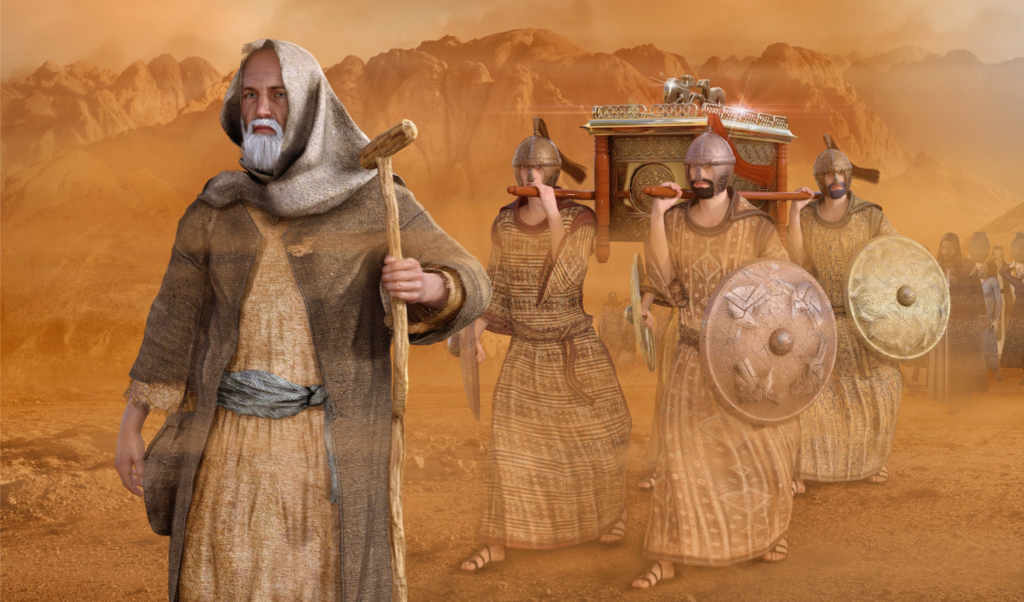
The backdrop of Ichabod’s tale begins in the book of 1 Samuel. The narrative vividly recounts the tragic demise of Eli, the high priest, and judge of Israel. His sons, Hophni and Phinehas, were notorious not just for their misconduct but also for corrupting the priesthood with their immorality and greed. As they pilfered from the offerings meant for God, the divine favor that once rested upon Israel began to wither. This moral decay culminated in a catastrophic battle with the Philistines, which resulted in the capture of the Ark of the Covenant, a symbolic embodiment of God’s presence among His people. This event was devastating; the Ark was not merely a piece of sacred furniture, but a testament to God’s covenant with Israel.
In the aftermath of this defeat, Ichabod’s mother gave birth to him under calamitous circumstances, leading to his name representing a deep-seated despair. The moment she proclaimed, “The glory has departed from Israel,” the gravity of her words transcended mere familial loss, encapsulating a national tragedy. It was as if the severance of this divine relationship foretold a coming era of darkness, leaving an indelible mark on the collective consciousness of the Israelites.
What makes Ichabod’s story particularly fascinating is that it serves as a vivid metaphor for the loss of divine favor and guidance. His life was intrinsically tied to a broader narrative of national identity, morality, and the consequences of spiritual negligence. The fall of Eli and the subsequent loss of the Ark reflect a pivotal point in Israel’s journey, highlighting the ramifications when a community strays from its covenant with God. Ichabod stands as a poignant reminder of the fragility of divine blessings, suggesting that a mere lineage does not assure one’s standing in the eyes of God.
Moreover, Ichabod’s narrative prompts critical reflections on generational trauma. The weight of his lineage could imply a perpetual cycle of failure and alienation from divine grace. In some theological interpretations, Ichabod becomes a symbol for all who grapple with the consequences of inherited sin, echoing through the corridors of history as a cautionary tale against complacency and moral turpitude.
As the story of Ichabod unfolds, it impacts not just the characters within the text but resonates with readers across generations. It sheds light on the intricate interplay between personal choices and their collective implications. Thus, the question lingers—What, indeed, happened to Ichabod? Perhaps it is not merely about his life or death, but rather a reflection of the persistent struggle between fidelity to one’s spiritual roots and the dire consequences of forsaking them.
In contemplating Ichabod, one can discern the intricate tapestry of fate, divine providence, and human agency, culminating in a narrative that continues to evoke profound contemplation about glory, loss, and the enduring quest for redemption.

