

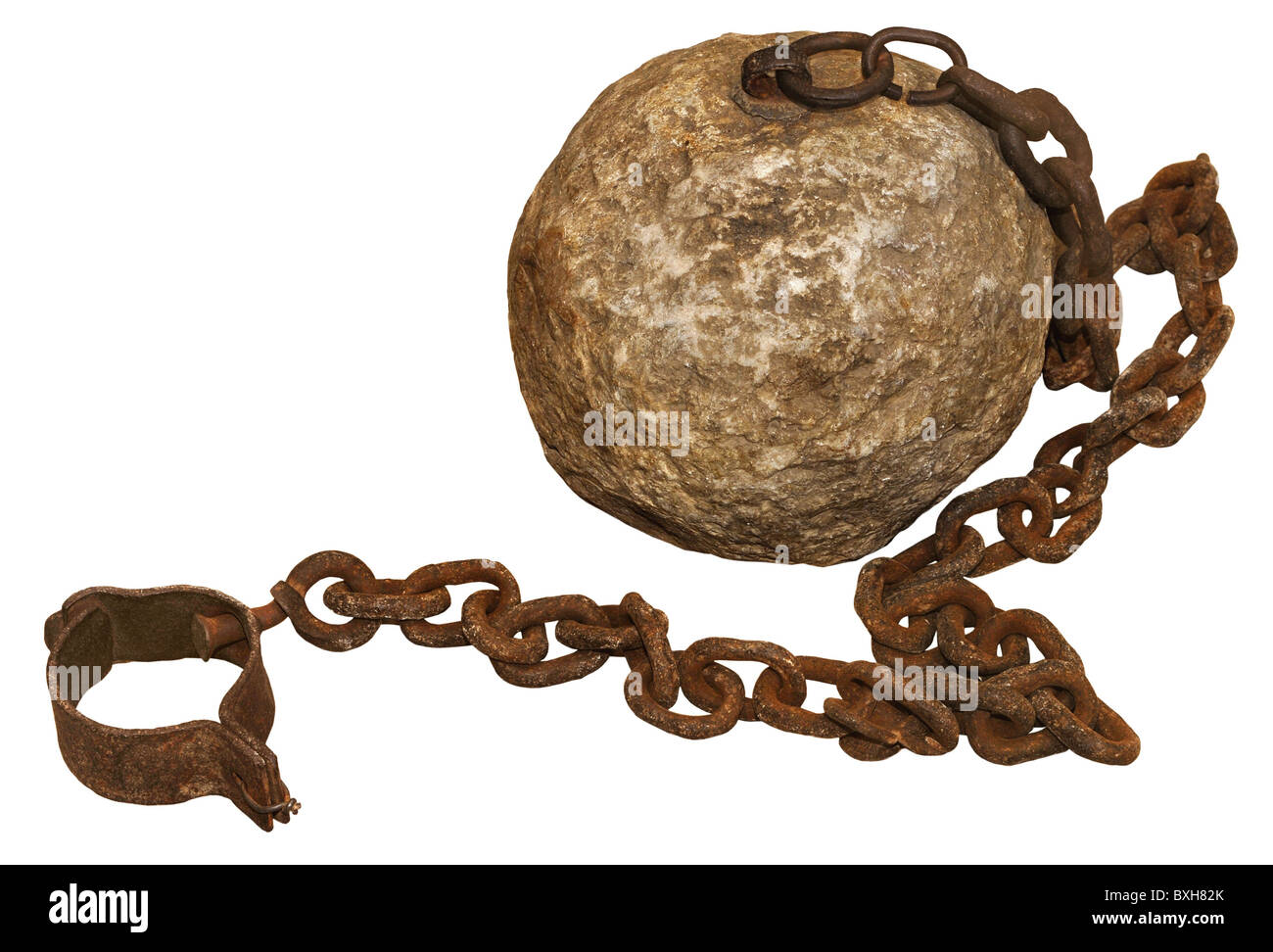
The term “fetter” often conjures images of confinement and restraint, deeply interwoven with the themes of captivity and liberation found in biblical texts. In the grand tapestry of scripture, fetters represent not merely physical shackles but also the intangible bonds that ensnare the human spirit. In the biblical narrative, fetters serve as a poignant metaphor—both a tool of oppression and a harbinger of freedom.
Throughout the annals of biblical history, fetters are frequently associated with imprisonment. From Joseph’s imprisonment in an Egyptian jail to the plight of Paul and Silas incarcerated for their faith, fetters evoke a visceral understanding of restriction. The very term, etymologically linked to concepts of binding and tying, embodies the essence of being held captive—physically, spiritually, or emotionally.
In the Book of Psalms, we encounter a rich tapestry of metaphors, with fetters woven into the fabric of lamentation and supplication. The Psalmist often cries out for deliverance from the chains that bind; for instance, in Psalm 107:10, “Some sat in darkness and the shadow of death, prisoners in affliction and in irons.” Here, fetters are not just an emblem of a tangible prison, but symbolize profound existential struggles. They evoke the weight of despair pressing upon the heart, the feeling of being shackled not only by iron but by the very circumstances that lead to spiritual desolation.
Interestingly, fetters also paint a picture of divine intervention. The promise of liberation is woven throughout scripture, where breaking the chains becomes an emblem of hope. The prophetic writings frequently allude to a time of ultimate freedom, a future wherein fetters will be cast aside as the light of redemption pierces through the shadowy confines of human bondage. This prophetic vision demonstrates the duality of fetters; while they speak to the realities of suffering, they also herald the potential for resurrection and renewal.
The New Testament further elucidates the transformative power of faith in severing the metaphorical fetters. In John 8:36, the declaration “So if the Son sets you free, you will be free indeed,” emphasizes the liberating force of spiritual truth. Here, fetters are not solely oppressive instruments but also signify the spiritual entanglements that can ensnare individuals. The promise of freedom from sin, guilt, and despair resonates deeply, illuminating a pathway to salvation where one can cast off their chains and embrace a life of abundance and grace.
Moreover, the role of community in the release from fetters should not be overlooked. The stories of those who were freed—from the chains of alcoholism to the burdens of unforgiveness—echo the biblical theme of collective liberation. Just as Paul and Silas sang hymns while in fetters, the power of communal support and sororal encouragement can fortify individuals against the weight of their chains. When believers come together, their collective faith serves as a catalyst for breaking the shackles of despair and fostering an environment where healing flourishes.
In denouement, the metaphor of fetters in the Bible encapsulates a profound exploration of the human condition—the interplay between captivity and liberation, darkness and light. These symbols are as relevant today as they were in ancient times, urging each generation to reflect on their own fetters, the chains that may bind them, and the paths towards divine freedom that lie ahead. In adopting a posture of vulnerability and seeking communal support, individuals can embark on transformative journeys, ultimately shedding their fetters and stepping into a new era of hope and vitality.

