

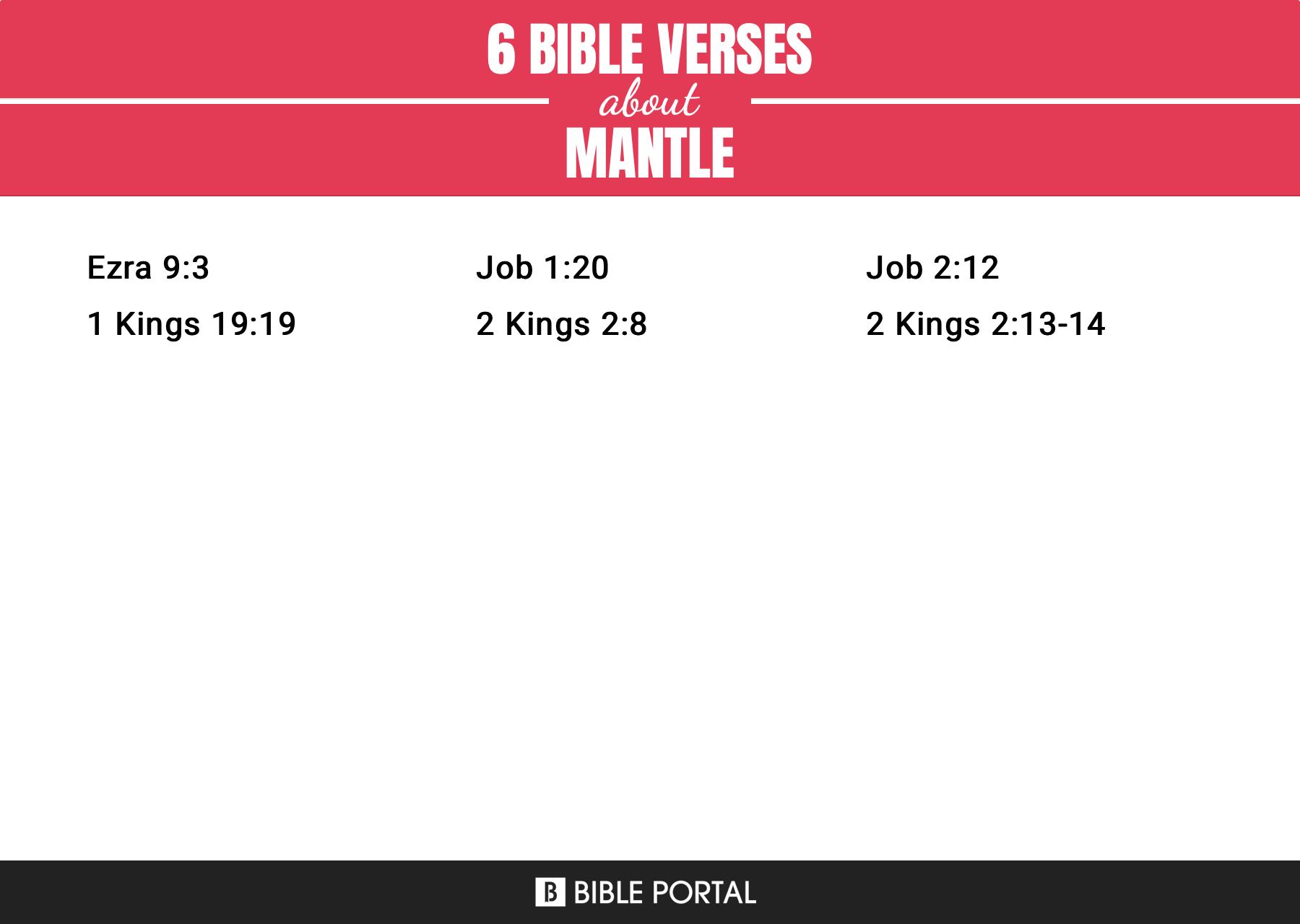
In the tapestry of biblical narratives, the concept of a “mantle” encapsulates both literal and metaphorical significance, weaving together themes of authority, responsibility, and divine calling. Primarily derived from the Hebrew word “me’eron,” the mantle traditionally refers to a cloak or outer garment, often emblematic of one’s status and mission within the context of biblical history.
The most notable instance of a mantle in the Bible occurs in the relationship between the prophets Elijah and Elisha. Elijah, a pivotal figure of the Old Testament, is depicted as a courageous messenger of God, wielding his mantle not merely as a piece of apparel but as a symbol of divine anointing. As the narrative unfolds, Elijah casts his cloak over Elisha, signifying the transfer of prophetic authority. This act is profound; it illustrates the passing of the mantle—an age-old ritual of mentorship wherein wisdom and divine commission are handed down from one generation to another.
Moreover, the mantle embodies several dimensions that extend beyond mere symbolism. Elisha’s acceptance of the mantle not only signifies his succession as a prophet but also highlights the gravity of responsibility that accompanies such an exalted role. This transition embodies the expectation that Elisha will not only perform miracles but also guide the people according to God’s purpose. In this context, the mantle serves as both an instrument of empowerment and an emblem of sovereign duty.
Throughout the biblical narrative, the mantle resonates with various interpretations depending on the context in which it appears. For instance, within the story of the High Priest, the mantle takes on a distinct role, representing holiness and the weighty responsibility of interceding for the people. The priest’s garments were meticulously designed with intricate details and colors, setting them apart as a visual reminder of sanctity and divine service.
Furthermore, the mantle is often associated with moments of transformation. In the book of Isaiah, the imagery of garments reflects the profound change that occurs in an individual who has encountered the divine. “He has clothed me with garments of salvation; He has wrapped me with a robe of righteousness.” Here, the mantle signifies an overarching theme of redemption—a visual metaphor for the restoration and renewal that God offers to His followers.
Additionally, the significance of the mantle is not confined to leadership roles. In the New Testament, the narrative of the prodigal son features a father who embraces his wayward child with a robe—a modern interpretation of a mantle. This garment symbolizes forgiveness, reconciliation, and acceptance within the family fold, signifying not just social status but also spiritual renewal.
In both Old and New Testament narratives, the mantle serves as a multifaceted symbol. It represents authority, identity, and transformation. Whether in moments of prophetic succession, priestly duty, or familial reconciliation, the mantle transcends its physical form, embodying profound spiritual lessons. Readers exploring the concept of the mantle in the Bible can anticipate a rich array of themes, including mentorship, divine calling, redemption, and the intimate relationship between God and individuals.
In conclusion, the mantle in the Bible is far more than just a garment; it is a deeply layered symbol that bridges the human experience and divine purpose. By examining its various contexts—from the dramatic exchanges between prophets to the poignant moments of familial love—one uncovers a narrative replete with lessons on legacy, duty, and the transformative power of grace. Through the lens of the mantle, biblical stories invite us to reflect on our own callings and the roles we play in the tapestry of life.

