

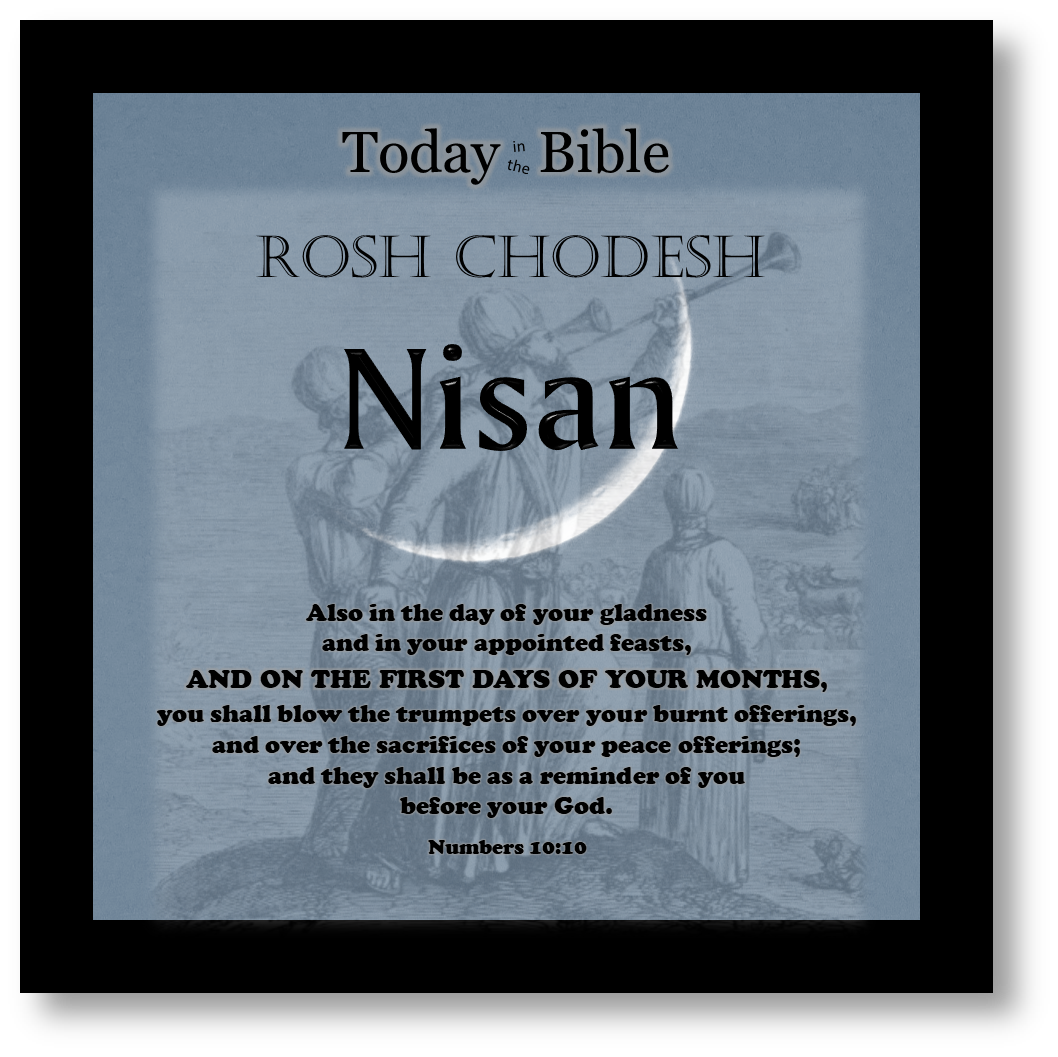
Nisan is a month rich in historical and religious significance, particularly within the framework of the Hebrew calendar. Its nomenclature, derived from the Babylonian influence on Jewish tradition, marks the advent of spring and the rejuvenation of the earth. This month usually falls between March and April in the Gregorian calendar, serving as a transitional time that heralds the flowering of nature and the celebration of pivotal biblical events.
In the biblical context, Nisan is prominently featured in the Book of Exodus and is heralded as the first month of the ecclesiastical year. The ordering of Nisan as the inaugural month serves as a compelling reminder of the Israelites’ liberation from the bondage of Egypt. This liberation, celebrated during Passover (Pesach), not only emphasizes freedom but encapsulates themes of redemption and divine intervention. On the 14th day of Nisan, families commemorate the exodus by partaking in a ritual meal, laden with symbolic foods, which rekindles the narrative of liberation year after year.
The significance of Nisan extends beyond the Passover celebration. It also introduces the Festival of Unleavened Bread, which follows immediately after Passover. This festival, lasting for seven days, underscores the urgency with which the Israelites fled Egypt, having no time to allow their bread to rise. The consumption of unleavened bread during this period serves as a poignant reminder of both humility and preparedness, virtues that resonate throughout Jewish tradition.
Nisan is also a time of reflection and renewal. As nature awakens, akin to the rebirth of the Jewish people as they journeyed towards the Promised Land, the faithful are invited to ponder profound themes of identity and community. The month encourages introspection, prompting a deeper understanding of personal freedoms, responsibilities, and the collective heritage that shapes Jewish identity. The cyclical nature of the calendar illustrates how time not only marks the passage of days but also carries the weight of history and tradition.
This month has also captivated the attention of scholars and theologians alike due to its intricate alignment with lunar cycles. The Jewish calendar is lunisolar, meaning it is based on both the moon’s phases and the solar year. Nisan falls on the first full moon following the vernal equinox, which symbolizes new beginnings and the overarching theme of rebirth, a motif that is prevalent throughout various cultures and religions. Such celestial patterns have ignited an enduring fascination with how calendrical systems interweave with spiritual and agricultural life.
Moreover, the inception of Nisan brings to mind historical figures prominently associated with this month. For instance, the renown of King David, whose lineage is pivotal in Jewish history, is often reflective of themes of leadership and divine favor. The month invites reverent artistry in literature, music, and the visual arts, highlighting a collective yearning for connection with the divine through these cultural expressions.
Contemplating Nisan’s significance encourages a deeper appreciation of its role within the biblical narrative and the broader tapestry of Jewish life. It encapsulates not just a measure of time but stands as an emblem of hope, renewal, and the delicate interplay of faith and history. With its many layers of meaning, Nisan serves as a vital cornerstone in understanding the profound way sacred time shapes cultural identity and spiritual practice.
As spring unfolds the world anew, the month of Nisan acts as a vibrant reminder of resilience and the power of redemption—a resonance that has echoed throughout centuries and continues to inspire. It is not merely a month on the calendar; it is a narrative thread interwoven into the very fabric of existence, urging humanity to reflect, remember, and rejoice in the ongoing story of life and faith.

