

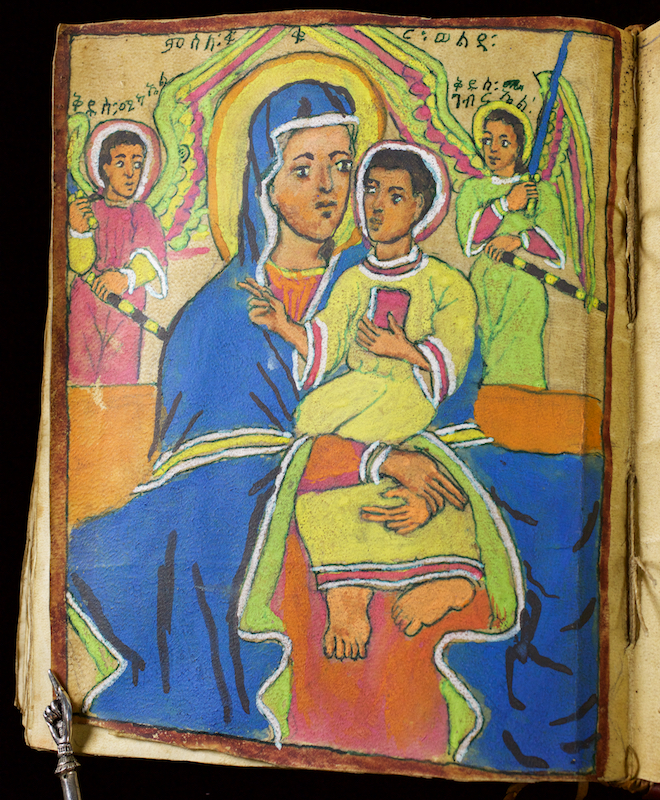
The Ethiopian Bible, a compendium of theological significance and historical intrigue, is more than mere text; it is a window into a world where faith and culture intertwine seamlessly, much like the vibrant threads of a tapestry. For those who delve into its pages, it unfolds the chronicle of a nation whose spiritual heritage remains both ancient and remarkably alive.
This sacred scripture is known formally as the “Ge’ez Bible,” named after the ancient Ethiopian language, Ge’ez, in which it was originally penned. The importance of this language cannot be overstated; it serves as a crucial link to Ethiopian identity and heritage. Ge’ez is not merely a relic of the past; it is the lifeblood of the liturgical life in the Ethiopian Orthodox Church. The Ethiopian Bible is housed predominantly within the pages of the “Ethiopian Orthodox Tewahedo Church,” one of the oldest Christian denominations in the world, dating back to the 4th century AD when Christianity was officially adopted by Emperor Ezana.
Imagine the Ethiopian Bible as a palimpsest, layered with history, culture, and spirituality. It comprises 81 books, significantly more than the conventional 66 found in the Protestant Bible. This abundance of texts fosters a unique narrative tapestry, where both Old and New Testaments intermingle with the Apocrypha. Each book carries the weight of its own history, illuminating the theological debates and cultural dialogues that shaped Ethiopian Christianity. Books such as the “Book of Enoch” and the “Book of Jubilees,” considered apocryphal in many denominations, offer profound insights into Judeo-Christian thoughts, beliefs, and traditions.
The liturgical traditions surrounding the Ethiopian Bible are steeped in intriguing metaphor. The Bible is not merely a collection of scripture but a living entity, thought to possess divine power. For followers, it is akin to the water of life—sustaining, nourishing, and essential for spiritual survival. The language employed in the Ethiopian liturgy is poetic and exuberant. It sings praises that echo through time, intertwining scriptural truths with the lived experiences of a people who have wielded faith as both shield and sword against adversity.
One of the most captivating aspects of the Ethiopian Bible is its richly illuminated manuscripts. These ancient texts often showcase elaborate artwork, vibrant colors, and intricate designs that breathe life into the hallowed words. The illustrations serve not just as decoration but as visual narratives, making the scripture accessible to all. They enchant the eye while conveying profound theological truths that transcend the limitations of spoken language. Each manuscript is a piece of art, a sacred artifact that reflects the devotion of its scribes and the generations that have cherished it.
The role of the Ethiopian Bible in unearthed historical contexts cannot be overlooked. It stands as a bastion of resilience, safeguarding the identity of a nation that has faced colonization, religious persecution, and socio-political upheaval. The persistence of the Ethiopian Orthodox Church provided a stark contrast to the external pressures that sought to dilute its unique religious practices. Even during the Italian invasion in the late 19th and early 20th centuries, when attempts were made to impose foreign ideologies, the Ethiopian Bible remained a symbol of national unity and spiritual fortitude. In many ways, it symbolizes the proverbial phoenix—rising from the ashes of oppression, illustrating the enduring power of belief.
This sacred text also highlights the syncretism of Ethiopian spirituality. It assumes a central role in the cultural practices of the Ethiopian people, reflecting their unique perspectives on life, morality, and the divine. Traditional festivals, such as Timkat (Epiphany) and Gena (Christmas), are steeped in Biblical narratives, illustrating not just religious observance but a complete lifestyle permeated by scripture. The celebrations serve as vivid manifestations of the teachings found within the pages of the Ethiopian Bible, inviting all to partake in their profound meaning.
Thematically, the Ethiopian Bible resonates with the quest for salvation, echoing the human desire for transcendence amidst life’s myriad challenges. Its stories, from the trials of Job to the dreams of Joseph, serve as archetypes of struggle and redemption. These narratives continue to inspire countless individuals, urging them to navigate their journeys of faith with tenacity and hope. Just as a mighty river flows ceaselessly, carving pathways through the landscape, so too does the influence of the Ethiopian Bible carve spaces within the hearts of its adherents, encouraging them to reconcile the complexities of existence with divine purpose.
In contemporary society where spiritual vacuity often threatens the essence of faith, the Ethiopian Bible stands as a reminder of the profound depth that religious texts can provide. It calls forth a thirst for understanding, not just the written word but the contexts and cultures from which they spring. The pages of the Ethiopian Bible serve to dispel ignorance, inviting the world to engage with a rich heritage that transcends borders and speaks to universal truths.
In conclusion, the Ethiopian Bible is much more than a religious text. It is a vibrant testament to the indomitable spirit of a people forged in faith, a cultural touchstone that links the past with the present, and a source of eternal inspiration for future generations. Its unique appeal lies not only in its ancient roots but also in its living legacy, continuously shaping lives and guiding souls along the sacred pathways of faith. Just as the Nile nurtures the lands it traverses, the Ethiopian Bible nourishes the spirit, providing a legacy that will endure through time, inviting all to seek solace, enlightenment, and communion with the divine.

