

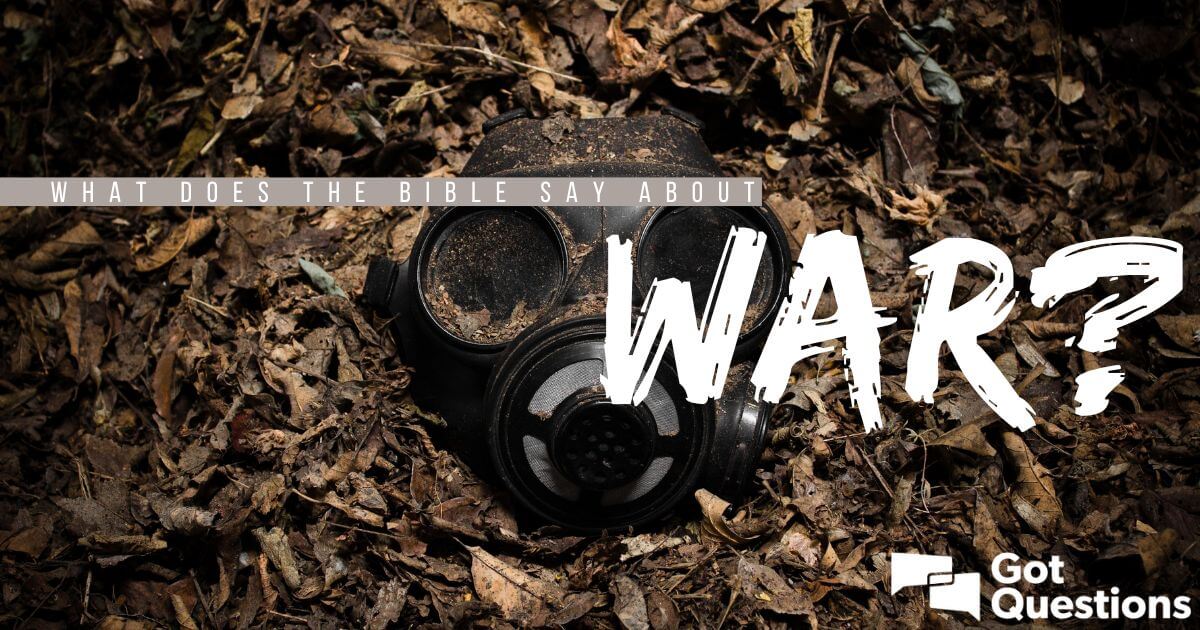
The topic of war in relation to Israel is a profound and multifaceted exploration that captivates the attention of theologians, historians, and the curious public alike. Throughout the Bible, numerous passages reflect the complexities and implications of conflict, particularly concerning the land of Israel. Understanding these long-standing narratives requires delving into the scriptures that speak to war, peace, and divine intervention, casting a wide net over the profound tapestry of history and faith.
First and foremost, the Old Testament holds a significant treasure trove of narratives regarding warfare involving the nation of Israel. In books such as Joshua and Judges, readers encounter vivid accounts of conquest and conflict. For example, the conquest of Canaan stands as a pivotal moment where warfare is portrayed not only as a physical struggle but also as a theological imperative. God’s directives to the Israelites about conducting wars against certain nations are steeped in divine sovereignty, thus raising questions about moral justification and the broader implications of such divine mandates.
Moreover, the figure of King David epitomizes the intertwining of military endeavor and spiritual leadership. His reign is marked by numerous battles—each recounted with an eye toward understanding how faith influences tactical decisions. In 1 Samuel, David’s victories against the Philistines are painted as a testament to his reliance on divine guidance. This interplay between faith and warfare illustrates a recurring theme in biblical literature: the people’s reliance on God amidst tumultuous times.
As one delves deeper, the concept of righteous warfare emerges. This notion posits that wars sanctioned by God serve a higher purpose, often articulated within the context of justice and preservation of the covenant community. The Israelites’ struggles against their enemies often symbolize the defense of their faith and the establishment of divine order. The prophetic books, like Isaiah and Jeremiah, echo sentiments of both warning and hope, urging a return to godliness amid chaos. They highlight that warfare is not merely an act of aggression but can also reflect a divine chastisement or the fulfillment of prophetic signs.
Transitioning to the New Testament, a notable shift appears in the approach to conflict. The teachings of Jesus challenge prevailing notions of violence and retribution. In the Sermon on the Mount, the call to peacemaking resonates profoundly, promoting reconciliation over retribution. Here, one finds a stark contrast to the Old Testament narratives. Jesus emphasizes love for enemies, encouraging followers to seek peace rather than engage in hostile confrontations.
Yet, the concept of spiritual warfare surfaces prominently in the New Testament, particularly in the writings of Paul. Ephesians 6 discusses the “armor of God,” symbolically framing the Christian life as a battleground against spiritual forces. This development signifies a transition from physical conflicts to an understanding that the most consequential battles often occur in the realm of belief and morality. Hence, the idea of warfare evolves from literal military engagements to a metaphorical struggle for righteousness.
Furthermore, modern interpretations of biblical passages related to Israel and war provoke thoughtful discussions around geopolitics and contemporary conflicts. The ongoing strife in the region prompts reflection on prophetic texts and their relevance today. For many believers, the historical implications of these scriptures interplay with present realities, invoking a sense of urgency to engage in peacebuilding and reconciliation efforts.
In conclusion, the biblical discourse on war, particularly concerning Israel, unveils a complex tapestry of divine will, moral inquiry, and human agency. From the explicit accounts of physical warfare in the Old Testament to the transformative teachings of Christ and the metaphors of spiritual conflict, these narratives serve as a profound reminder of humanity’s continual quest for meaning amidst strife. Ultimately, the pursuit of understanding through these ancient texts encourages readers to engage with both the historical and contemporary implications of war, peace, and faith.

