

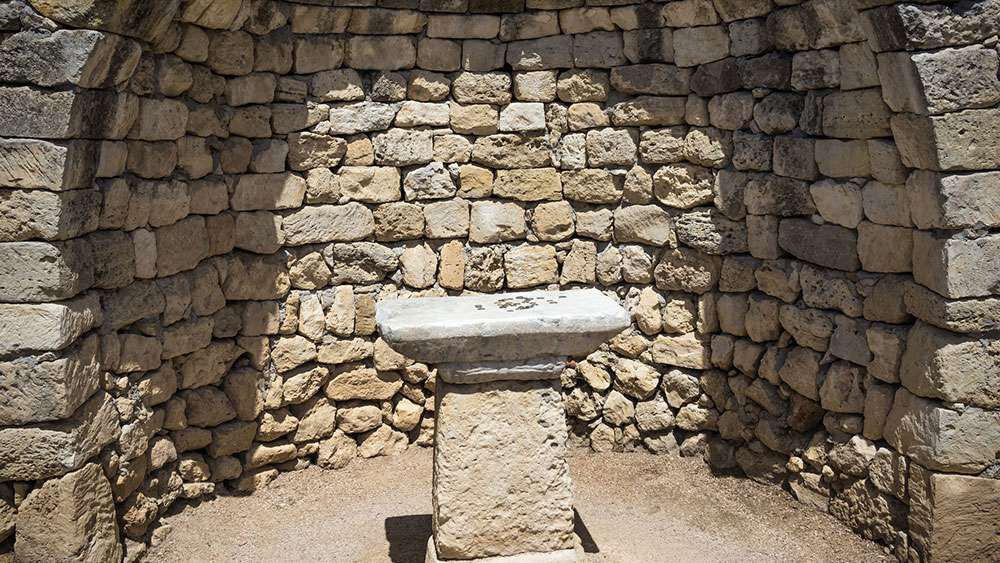
Have you ever paused to ponder the significance of “high places” in biblical lore? In examining this concept, we embark on a journey that converges history, spirituality, and cultural practices. But, what exactly are these “high places,” and why should they merit our attention today?
In ancient times, the term “high places” referred to elevated locations that were often associated with worship. These spots, typically situated on hills or mountaintops, were frequently chosen for their vantage points—promising closeness to the divine, or perhaps a clearer communication with celestial beings. In the context of ancient Israel, high places served as sites for various rituals, including sacrifices and offerings to gods. Imagine a panoramic view, where the horizon stretches endlessly, a fitting backdrop for encounters with the divine.
While the Israelites initially employed these high places to worship Yahweh, the practice soon became convoluted. As foreign influences infiltrated the sanctity of worship, many began associating these sites with the veneration of pagan deities. The Canaanites, for instance, worshipped Baal, engaging in practices that were often viewed as abhorrent by the adherents of the Hebrew faith. This melding of traditions raised ethical dilemmas and theological debates, leading to a pivotal challenge: how to reclaim and purify the act of worship in light of corruption.
In the Hebrew Scriptures, high places are often depicted as sites of division. For instance, the kingdom’s divide between Israel and Judah brought varying perspectives on these locations. While some kings sought to dismantle these insidious practices, others embraced them, creating a mosaic of belief systems that could confuse even the most devout follower. This phenomenon illuminates a larger question: can genuine worship coexist alongside corrupted practices?
Let’s consider notable figures from the scriptures. King Hezekiah, renowned for his devotion to Yahweh, endeavored to eradicate the high places, removing idols and restoring true worship. His reforms highlight the tension between popular practice and divine expectation. This narrative thread compels us to examine our own lives: are there “high places” we cling to that divert our focus from spiritual authenticity?
Moreover, this concept goes beyond mere geographical locations. It serves as a metaphor for the elevated aspirations, distractions, or even sins that stand between humanity and divine connection. In the contemporary world, what are the high places that vie for our attention? They could manifest as obsessions, ambitions, or even relationships, leading us astray on our spiritual journey.
To draw a connection between ancient high places and present-day spirituality, consider the act of introspection. Just as the Israelites had to confront and dismantle their high places, modern individuals must assess their spiritual integrity. Are we building our faith on altars of devotion, or have we allowed distractions to cloud our view? This introspective challenge presents a profound opportunity for renewal and recommitment.
In summary, while high places in the Bible are literal sites of worship, they also embody a rich tapestry of historical, cultural, and spiritual significance. As we explore their implications, we are invited to reflect upon our own “high places.” Let’s embark on a quest to identify and confront these elevated distractions, fostering a deeper connection to our own beliefs. Are you ready to challenge the high places in your life?

