

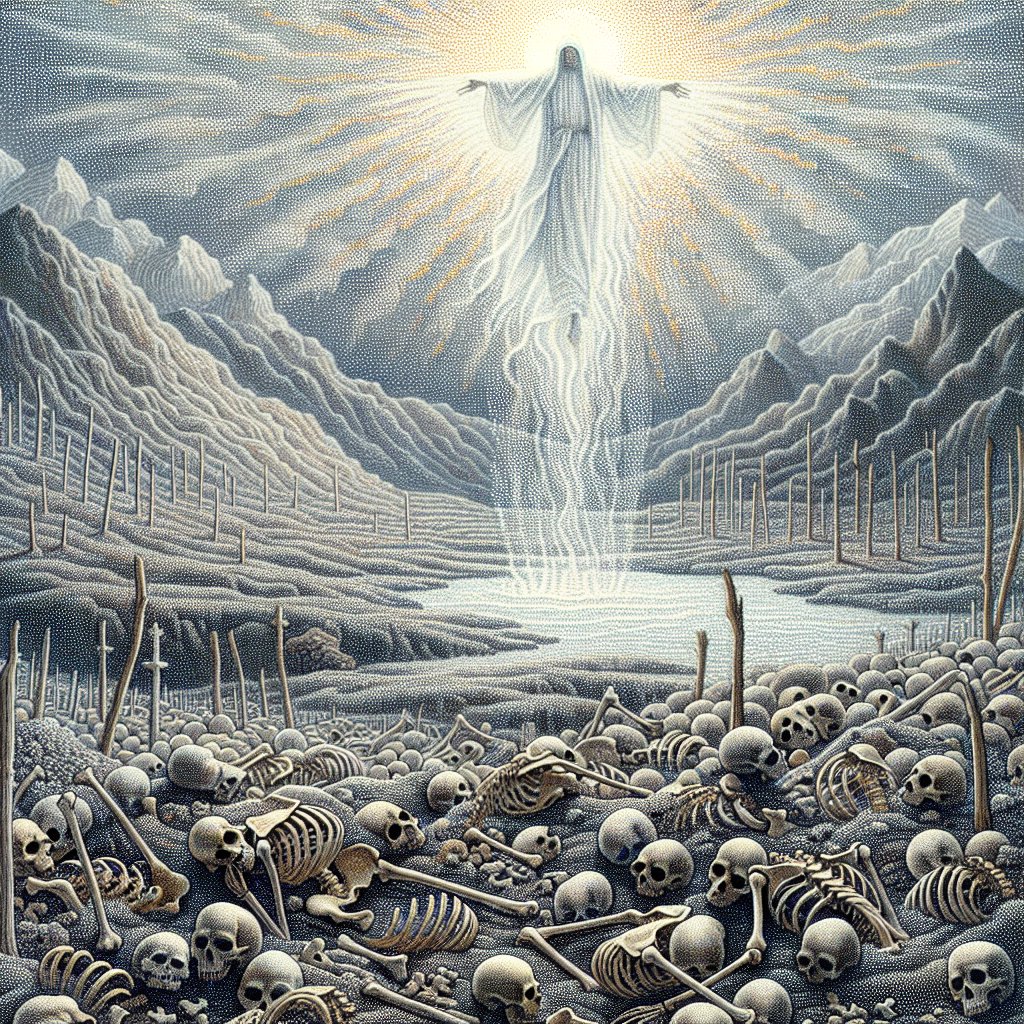
Art is a universal language that transcends cultural boundaries, evoking emotions and stimulating the imagination. But what does the Bible say about art? As we embark on this exploration, we might ask ourselves: Can creativity coexist harmoniously with spirituality? This tantalizing question begs for a deeper inquiry into the nexus between divine inspiration and artistic expression.
From the very beginning, the Bible lays the groundwork for the appreciation of artistic endeavors. In Exodus, we find God commanding the construction of the Tabernacle, a splendid sanctuary adorned with intricate designs and rich materials. “And I have filled him with the Spirit of God, with ability and intelligence, with knowledge and all craftsmanship,” (Exodus 31:3, ESV) reveals that artistry is not merely a talent but a divine gift intended for sacred purposes. The passage highlights a perspective that sees creativity as a manifestation of the Creator’s nature.
The Old Testament further illustrates the importance of art in worship and community life. The Psalms, often considered poetic masterpieces, are rich with imagery and metaphor. They invite believers to not only sing but to experience the depth of God’s majesty through the arts. “Sing to him a new song; play skillfully on the strings, with loud shouts” (Psalm 33:3, ESV) is an exhortation that implies a robust engagement with music and expression in a worshipful context.
In the New Testament, we see how Jesus engaged in storytelling—parables that were vivid and relatable. Each story, imbued with artistic flair, challenged listeners to reflect deeply. Through narratives, He painted pictures of truth, illustrating profound spiritual lessons. The Sermon on the Mount, with its vivid analogies, reveals that art can serve as a vehicle for conveying moral principles, reshaping our understanding of faith.
But does modern artistic expression resonate with biblical imperatives? In a world saturated with imagery, the challenge arises: how do we create art that honors God without compromising our values? This conundrum encourages artists to scrutinize their motives, pushing them to align their creative output with spiritual authenticity. Furthermore, artists must grapple with the weight of their responsibility to depict narratives that either uplift or challenge societal norms.
Engagement with art should not solely remain within the church walls. The Bible advocates for the enjoyment of beauty in all spheres of life. God’s creation exhibits exquisite artistry, beckoning us to appreciate the divine hand in nature and human ingenuity alike. As Christians, celebrating the brilliance of artistic work—whether painting, music, or literature—can illuminate the beauty of God’s design. The call to discernment remains critical; one must navigate the art world in a manner that reflects Christ’s light.
Amidst this generous scope for creativity lies the sobering reminder of accountability. Colossians 3:23 urges, “Whatever you do, work heartily, as for the Lord and not for men.” It poses a clarion call for artists to commit their works as acts of worship, transforming their creative outputs into divine offerings. This perspective invites artists to ponder not just the aesthetics but also the impact of their messages. Is your art merely a reflection of culture, or does it contribute positively to spiritual discourse?
Ultimately, the Bible offers ample encouragement for artistic expression while also presenting profound challenges. It is an invitation for creators to delve into their craft with intentionality and consciousness. This journey may test one’s resolve but promises the reward of contributing beauty to a world desperately in need of divine light. So, what artistic legacy will you shape today? Are you brave enough to weave faith into your creations and challenge the status quo through your artistry?

