

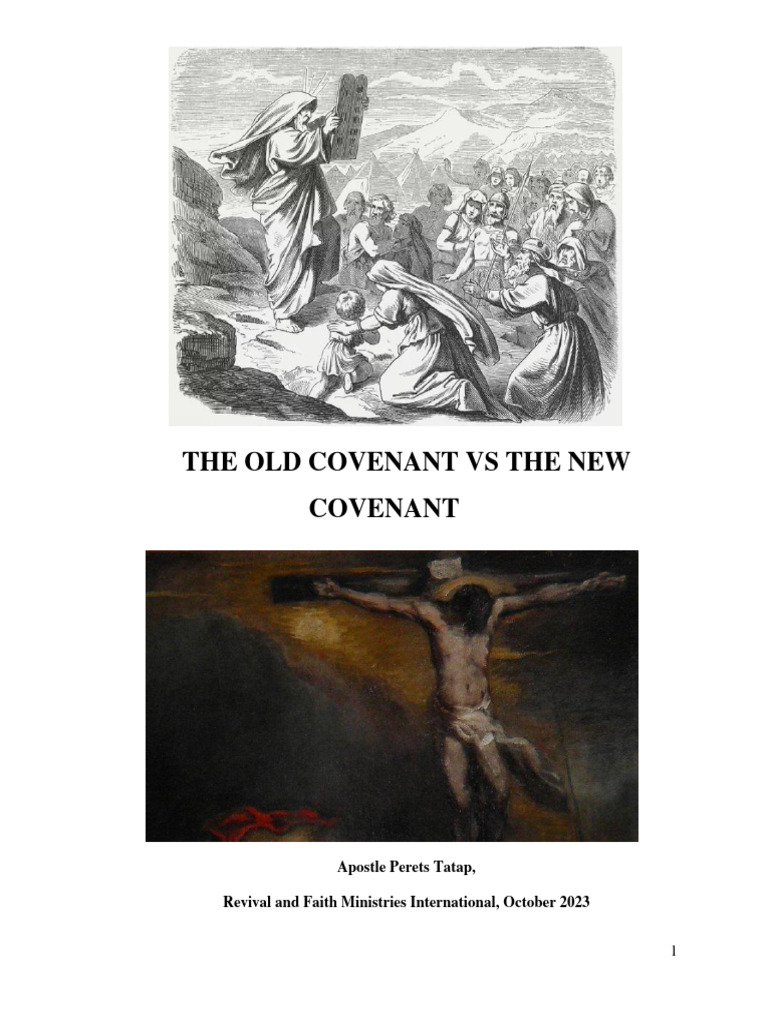
The Old Covenant, often referred to as the Mosaic Covenant, is a pivotal concept in biblical theology, embodying the relationship between God and the Israelites as codified through the laws given to Moses. This covenant is steeped in rich historical narratives and theological significance, extending beyond mere legalism to encapsulate the core identity and spiritual journey of a chosen people.
At its inception, the Old Covenant is anchored in the historical context of the Exodus. The journeying Israelites, having escaped slavery in Egypt, stand on the precipice of the Promised Land. God, through Moses, articulates a divine promise: obedience to His laws will elicit blessings, while transgressions will inevitably incur curses. This foundational premise is encapsulated in the Decalogue, or the Ten Commandments, which serve as the moral bedrock of this covenantal relationship.
The Ten Commandments are not merely rules; they encapsulate essential principles guiding the community’s ethical behavior. They delineate a sacred order wherein duties to God and fellow beings take precedence. The first four commandments focus on one’s relationship with God, emphasizing monotheism, reverence, and observance of the Sabbath. The last six shift toward interpersonal relations, dictating respect for life, property, and marital fidelity. This bifurcation underscores the holistic nature of the covenant—spiritual and communal obligations are intertwined.
Subsequent to the giving of the commandments, the Old Covenant expands through various laws and regulations, often referred to as the Law of Moses. This corpus encompasses not only ethical directives but also ritualistic observances, dietary restrictions, and guidelines for worship, profoundly influencing the social and cultural fabric of ancient Israel. For instance, the sacrificial system established in Leviticus underscores the gravity of sin and the necessity of atonement, portraying a vivid picture of holiness and the dire cost of transgression.
Yet, the Old Covenant is not solely about adherence to laws and rituals; it encapsulates a profound narrative of redemption and grace. The narrative arcs, such as Israel’s repeated infidelities juxtaposed with God’s unwavering faithfulness, reveal a relational dynamic fraught with tension yet enriched by divine mercy. Texts like the prophetic literature echo this sentiment, often calling back a wayward Israel to its covenantal obligations while simultaneously offering hope for restoration.
The cyclical pattern of sin, punishment, and redemption serves to illustrate an essential theological theme—that of God’s enduring commitment even amidst human fallibility. The prophets play a crucial role in this discourse, emphasizing not just the need for ritual purity but also the importance of heartfelt repentance and social justice. This prophetic voice anticipates a new covenant, one that would transcend the limitations of the Old Covenant.
The transition from the Old Covenant to the New Covenant, as articulated in the New Testament, signifies a theological evolution. This new paradigm echoes the promises made in Jeremiah and Ezekiel regarding a future filled with spiritual renewal, where laws would be inscribed on the hearts of believers. In this light, the Old Covenant serves not simply as an archaic legal framework but as a precursor to a deeper, more intimate relationship with God through Christ.
In summary, the Old Covenant stands as a profound testament to God’s relationship with His people, encapsulating themes of law, love, and redemption. As readers delve into its complexities, one uncovers a narrative rich with historical significance, ethical imperatives, and the unwavering grace that continues to resonate through time. Understanding this covenantary framework is essential not only for grasping the entirety of biblical theology but also for appreciating the continued relevance of these ancient texts in contemporary spiritual discourse.

