

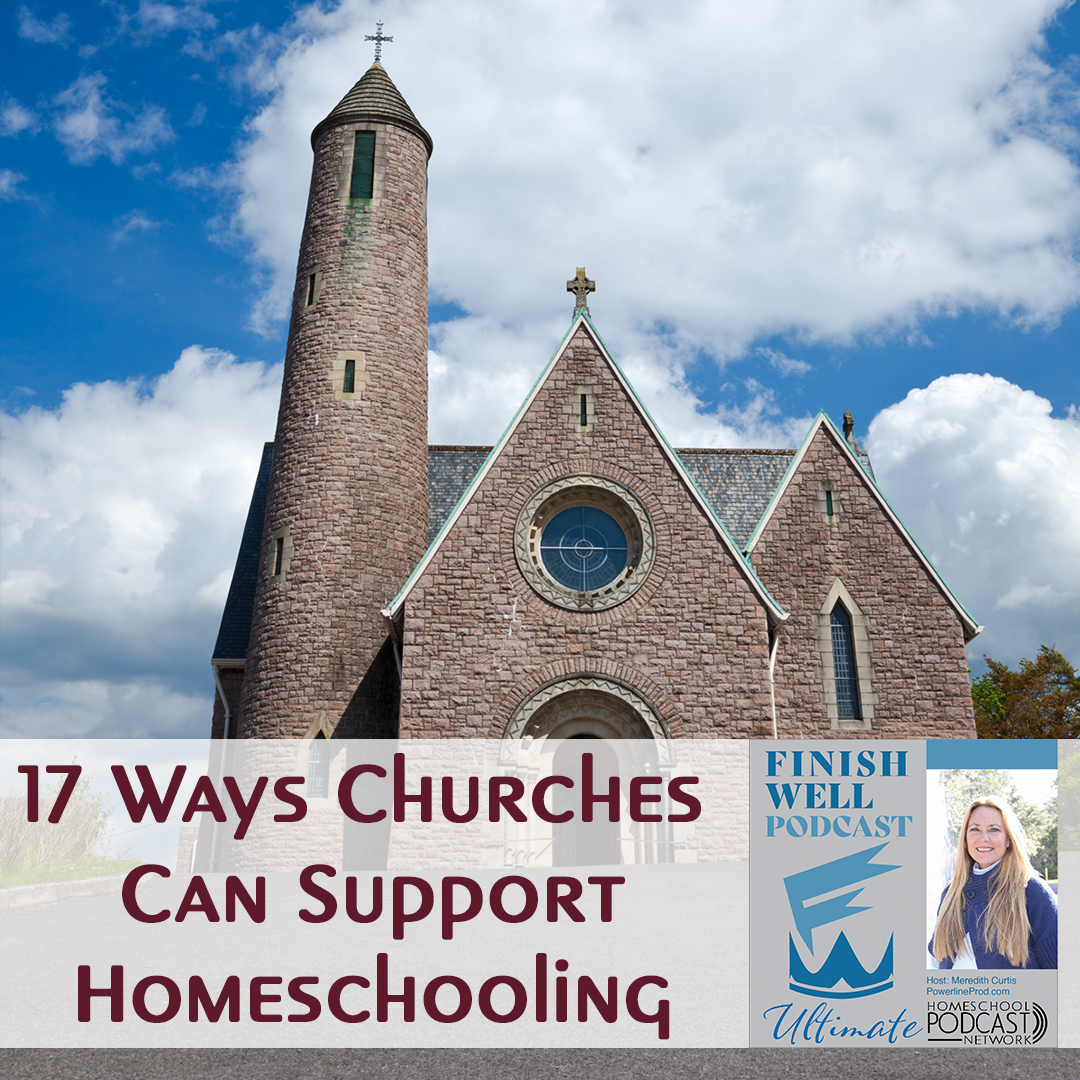
When the echo of Sunday hymns mingles with the rustle of textbooks, something profound awakens within the congregation—an organic convergence where faith and learning forge a resilient tapestry. Churches, historically the heartbeats of community life, are increasingly stepping into the role of sanctuaries for homeschool families, offering not only spiritual nourishment but also a rich reservoir of resources, mentorship, and collective encouragement. This phenomenon captures a common observation: many homeschool families, while flourishing academically, often feel isolated from communal affirmation. Delving deeper, we discover a fascination with the idea that the church’s covenantal mission can catalyze educational vibrancy, turning individual households into interconnected hubs of collaborative learning.
Forging Fellowship: The Social Fabric of Homeschool Communities
At the core of church‑based homeschool support is the revival of authentic fellowship. Congregational gatherings—potluck dinners, game nights, and seasonal festivals—serve as interstitial bridges, allowing homeschool parents to exchange pedagogical insights while their children engage in cooperative play. These gatherings dissolve the loneliness that often accompanies a non‑traditional schooling path, replacing it with a sense of belonging that feels both sacred and scholarly. Moreover, small group ministries can be restructured to spotlight homeschooling topics, inviting seasoned families to share anecdotes of curriculum triumphs and tribulations, thereby weaving a supportive narrative across the entire flock.
Integrating Spiritual Formation and Academic Pursuit
Churches possess a unique aptitude for intertwining spiritual formation with academic rigor. By embedding prayerful reflection into daily lessons, families experience a holistic educational rhythm that honors both mind and soul. For instance, a science unit on botany can be enriched through meditation on Psalm‑inspired stewardship, while history lessons on early American settlements can be contextualized with devotional readings on perseverance. This synthesis nurtures a vocations‑oriented outlook, where learning becomes an act of worship rather than a mere academic exercise.
Resource Repositories: Libraries and Digital Archives
Many congregations have quietly transformed their libraries into burgeoning resource hubs for homeschool curricula. Bookshelves now display not only devotional texts but also richly illustrated encyclopedias, primary‑source packets, and even multimedia kits for STEM experiments. In addition, digital archives—shared through secure church websites—offer downloadable lesson plans, assessment rubrics, and printable worksheets. By curating these collections, the church acts as a catalytic agent, amplifying the educational capacity of families without overburdening them financially.
Capacity Building: Workshops, Training, and Mentorship
The church’s deliberative structure is ideally suited for organizing capacity‑building workshops. Seasonal seminars on topics such as “Navigating State Regulations,” “Designing Unit Studies,” or “Cultivating Critical Thinking” empower parents with the confidence to craft bespoke curricula. Experienced homeschool mentors—often retired educators or veteran parents—can be appointed as “academic shepherds,” offering one‑on‑one guidance that respects each family’s autonomy while ensuring pedagogical soundness. These mentorship circles foster a culture of continuous improvement, where best practices are disseminated organically.
Co‑operative Learning Cells: The Homeschool Co‑Op Within the Church
Beyond solitary instruction, churches can host homeschool co‑ops—structured collaborative learning cells where children rotate among instructors for specialized subjects. A co‑op might feature a science lab led by a chemistry‑savvy member, a foreign language immersion led by a linguist from the choir, and an arts workshop facilitated by the church’s drama ministry. This model not only diversifies the learning experience but also reinforces communal values such as teamwork, humility, and shared responsibility.
Volunteer Ventures and Service Learning
Engaging homeschool families in volunteer ventures amplifies both spiritual and academic growth. Service projects—whether tutoring neighboring children, cleaning local parks, or organizing charity drives—provide experiential learning opportunities that textbooks alone cannot convey. The church can coordinate these efforts, ensuring that service hours are documented for academic portfolios while also fulfilling the Gospel mandate to love one’s neighbor.
Advocacy and Public Awareness
Church leaders wield considerable influence in public discourse. By advocating for homeschool rights, offering legal resources, and communicating with legislators, congregations act as bulwarks against regulatory overreach. Regular town‑hall meetings, prayer vigils, and informational pamphlets can demystify the legal landscape, empowering families to navigate bureaucracy with assurance.
Pastoral Counseling and Family Wellness
Homeschooling occasionally surfaces stressors—burnout, curriculum indecision, or family friction. The church’s pastoral counseling services can address these challenges, providing a compassionate ear and spiritual counsel. Family wellness programs, stress‑management retreats, and mindfulness workshops can be integrated into the church calendar, offering holistic support that extends beyond academic logistics.
External Partnerships and Collaborative Networks
By forging alliances with regional homeschool associations, charter schools, and online learning platforms, churches can broaden the resource palette available to their members. Joint conferences, co‑sponsored webinars, and shared field‑trip itineraries create a synergistic ecosystem where educational opportunities multiply. These partnerships also grant churches credibility as legitimate stakeholders in the broader educational dialogue.
Scholarships, Grants, and Funding Opportunities
Financial constraints should never impede a child’s educational journey. Churches can establish scholarship funds, sponsor grant applications, or partner with local businesses to underwrite curriculum purchases, field‑trip costs, and extracurricular activities. Transparent fund‑management practices ensure that monetary aid reaches those in genuine need, reinforcing the church’s commitment to equitable education.
Celebrating Milestones: Communal Graduation and Achievement Ceremonies
Milestones deserve recognition. By hosting annual graduation ceremonies, award nights, or “Homeschool Celebration Sundays,” the congregation acknowledges the dedication of both students and parents. These celebrations blend liturgical reverence with academic pride, creating memorable testimonies that inspire younger members to pursue lifelong learning.
Outreach and Evangelism Through Education
Homeschool families, with their intimate community circles, become natural ambassadors for faith. Churches can equip them with evangelistic resources—discipleship materials, story‑telling kits, and service opportunities—to share the Gospel in everyday interactions. In turn, the act of teaching becomes a living witness, reflecting the church’s mission in both word and deed.
Navigating Challenges: Time, Resources, and Legal Hurdles
While the benefits are abundant, challenges persist. Scheduling conflicts, limited classroom space, and ever‑evolving legal requirements can strain families. Churches can mitigate these obstacles by offering flexible meeting times, creating shared‑use classrooms, and maintaining up‑to‑date legal reference libraries. Proactive communication and collaborative problem‑solving preserve momentum and sustain enthusiasm.
Envisioning a Future of Covenantal Learning
As the church embraces its role as a pillar of homeschool support, it charts a visionary path where faith and learning are inseparable. The convergence of spiritual guidance, communal resources, and educational expertise creates a thriving ecosystem where every child can flourish academically while anchoring themselves in divine purpose. By committing to this covenantal vision, churches not only uplift families but also enrich the broader tapestry of society with generations of informed, compassionate, and spiritually grounded citizens.

