

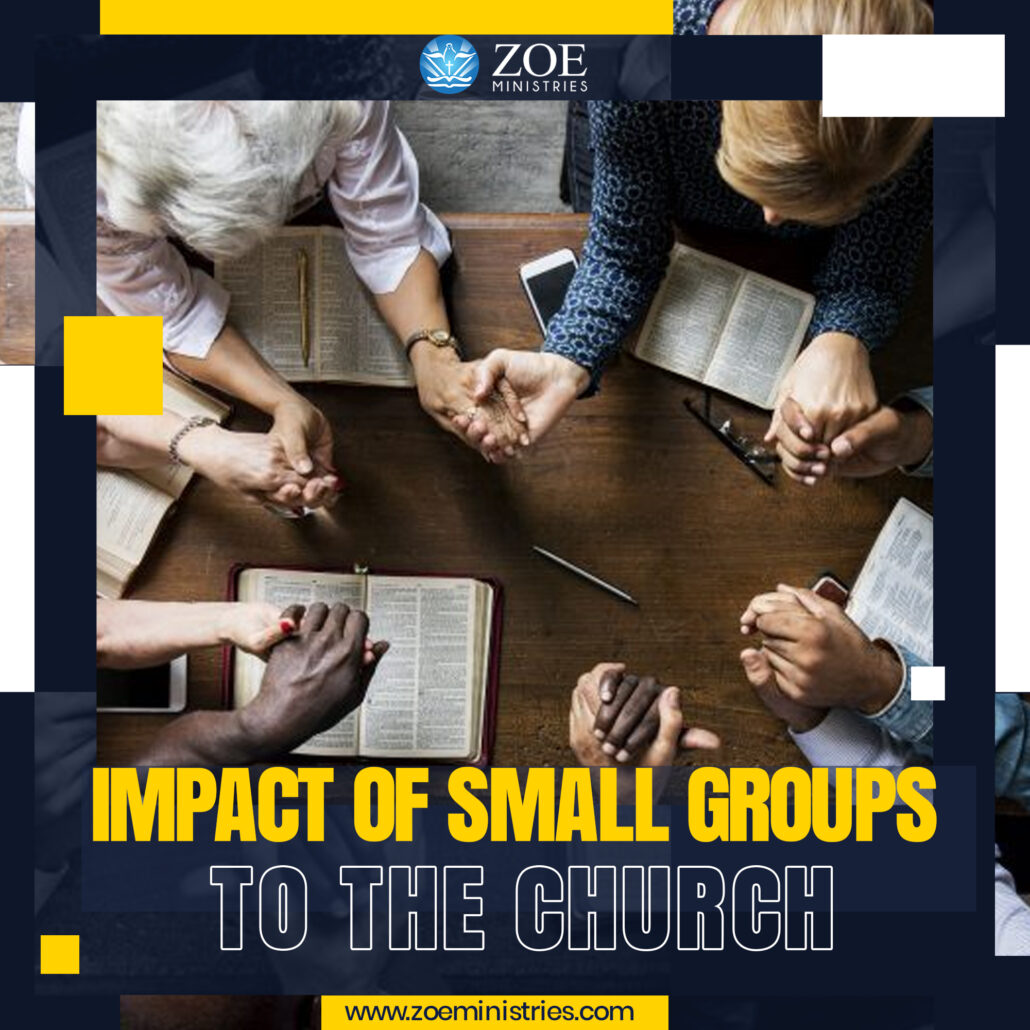
Within the sanctuary of faith, a quiet revolution unfolds when believers gather not merely as a congregation but as intimate, interlocking cells of mutual encouragement. This article ventures beyond the familiar narrative of Sunday worship to explore how small groups become the crucible where individual devotion is forged into collective strength. By tracing scriptural foundations, examining transformational dynamics, and unveiling practical strategies, the discussion invites a fresh perspective—revealing that the church’s vitality is inextricably tied to the relational lattice that small groups create.
The Ecclesial Tapestry: Redefining Community
Modern ecclesiastic discourse often treats the church as a monolithic institution, yet the New Testament presents a more nuanced portrait. The Greek term ekklesia originally denoted an assembly of called‑out individuals, not a static building. When believers form small groups, they re‑inscribe this original meaning, weaving a tapestry where each thread—representing a unique story, gift, and struggle—interlaces with others. This interstitial weaving produces a fabric stronger than any single strand, fostering an environment where communal sanctification occurs organically.
Biblical Antecedents of Cellular Gatherings
Scripture repeatedly underscores the significance of close‑knit fellowship. The early Jerusalem church “devoted themselves to the apostles’ teaching and to fellowship, to the breaking of bread and to prayer” (Acts 2:42). This pattern, replicated in house‑churches throughout the Roman world, demonstrates that authentic discipleship sprouted in intimate circles, not merely in large public assemblies. The narrative of Priscilla and Aquila nurturing Apollos in a domestic setting exemplifies how relational mentorship catalyzes doctrinal refinement and spiritual growth.
Cellular Gatherings as Catalysts for Sanctification
Small groups function as “schools of sanctification,” where participants engage in reciprocal accountability, confession, and encouragement. The Pauline admonition to “bear one another’s burdens” (Galatians 6:2) finds practical expression when members regularly share prayer requests, celebrate answered prayers, and confront sin in a confidential space. This covenantal exchange accelerates personal holiness, as the Holy Spirit works through the believers’ collective consciousness to illuminate hidden attitudes and transform behaviors.
Personal Transformation within Intimate Circles
When a believer enters a small group, the relational resonance acts as a mirror, reflecting both latent potentials and unresolved wounds. The group’s diverse perspectives provide a multidimensional feedback loop, enabling individuals to perceive themselves through an anthropocentric yet communal lens. Short bursts of honest sharing—such as a concise prayer of gratitude—interspersed with longer, reflective testimonies create a rhythm that nurtures both introspection and outward action.
Collective Flourishing: The Ripple Effect on the Wider Body
The health of a church is a derivative of its constituent cells. As each small group cultivates spiritual maturity, the resulting synergy radiates outward, uplifting worship services,

