

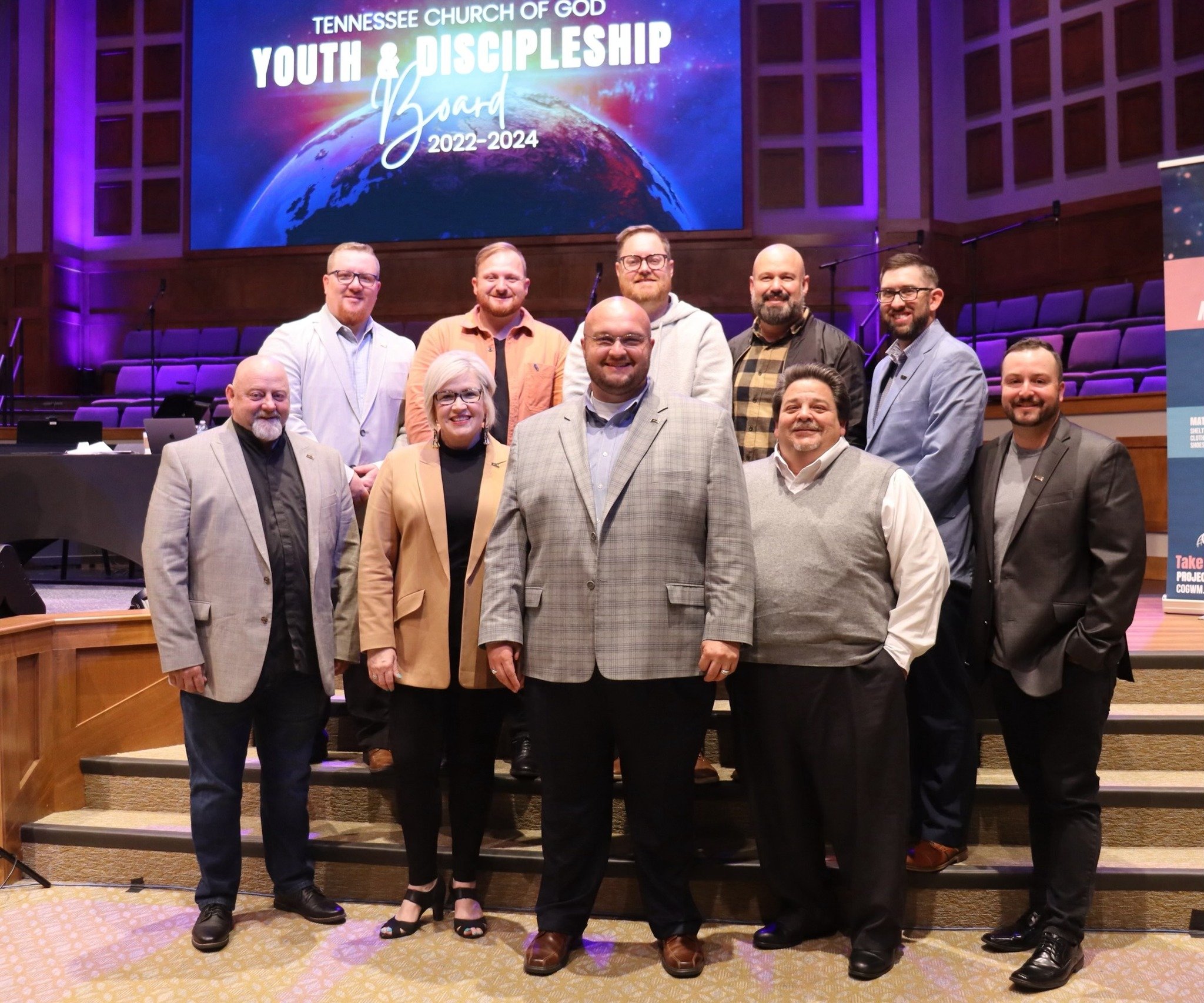
Within the bustling sanctuaries of modern congregations, a quiet revolution is taking shape—a deliberate, prayerful effort to shape the hearts of tomorrow’s leaders through youth discipleship. This is not a fleeting trend but a covenantal commitment to transmute the energetic curiosity of young believers into a disciplined, Spirit‑filled stewardship of faith.
The Eternal Call: Why Youth Discipleship Commands Attention
From a soteriology standpoint, the church’s mission extends beyond the immediate congregation; it reaches into the uncharted realms of each rising generation. Scripture reminds us that “the glory of the latter temple shall be greater than the former” (Haggai 2:9), a promise that hinges on the vitality of youth formation. When the pneumatology of the Holy Spirit is allowed to intersect with adolescent yearning, the result is a catalytic metamorphosis—young minds become fertile ground for prophetic witness.
Churches that neglect this divine invitation risk an ontological drift, where faith becomes a relic rather than a living testimony. A shift in perspective reveals that youth are not merely recipients of doctrine but active participants in the ongoing narrative of redemption.
The Formation Matrix: Curriculum and Experiential Learning
A robust discipleship matrix blends doctrinal instruction with experiential engagement. Traditional catechesis, delivered through systematic study of Scripture, is fortified by immersive experiences—mission trips, service projects, and contemplative prayer retreats. This dual approach ensures that theological knowledge does not remain abstract but is incarnated in everyday choices.
Innovative curricula often employ narrative theology, using storylines of biblical figures to mirror contemporary challenges. By interweaving personal testimonies with scriptural exposition, mentors guide youths through a metamorphic journey of metanoia—a transformative repentance that reorients the will toward communal good.
Mentorship as Catalyst: Relational Dynamics That Ignite Calling
Mentorship in a discipleship context is more than hierarchical tutoring; it is a symbiotic relationship where seasoned believers and novices co‑create meaning. The mentor’s role is to model resilience, demonstrate humility, and ouvrer a safe space for questioning. In turn, the mentee brings fresh perspectives, digital fluency, and a willingness to challenge entrenched paradigms.
Effective mentorship programs employ relational covenants—structured agreements that outline expectations, boundaries, and mutual accountability. Such covenants foster a culture of trust, allowing the Holy Spirit to work unhindered through authentic connections.
Empowered by the Spirit: Discerning Spiritual Gifts in Youth
Pneumatic empowerment is central to youth discipleship. Through prayerful discernment, youths are invited to identify and exercise their spiritual gifts—be they prophecy, teaching, mercy, or hospitality. The church functions as a laboratory where these gifts can be tested, refined, and deployed in real‑world contexts.
When young believers experience the tangible presence of the Spirit in ministry, their self‑efficacy skyrockets. This empowerment not only fortifies their faith but also equips the congregation with a diverse array of charismatic contributions.
Leadership in Action: Service Projects and Community Impact
Authentic leadership training transcends classroom instruction. Service projects—food drives, tutoring programs, environmental stewardship—offer youths a sandbox for leadership practice. By confronting systemic issues, they learn the complexities of decision‑making, conflict resolution, and compassionate action.
These initiatives also serve as evangelistic avenues, demonstrating the church’s commitment to societal flourishing. As youths lead with competence, they embody the church’s prophetic voice, bridging the gap between faith and public life.
Institutional Infrastructure: Structures That Sustain Vision
For discipleship to flourish, the church must embed it within its organizational fabric. This involves creating dedicated youth ministries, allocating budgets for training resources, and establishing clear pathways for leadership progression. Synodal decision‑making processes invite youth input, ensuring that their aspirations are reflected in strategic planning.
Moreover, partnerships with external organizations—such as universities, nonprofits, and interfaith coalitions—expand the experiential palette available to young leaders, reinforcing the church’s mission in broader societal contexts.
Assessing Growth: Metrics and Spiritual Milestones
Evaluation in youth discipleship requires a balanced scorecard that captures both quantitative and qualitative indicators. Attendance data, baptism rates, and completion of coursework provide measurable benchmarks. Yet, the more profound metrics involve relational depth, demonstrated fruit of the Spirit, and the capacity to mentor peers.
Regular reflective practices—journals, testimonies, and cohort debriefs—offer narrative evidence of transformation, allowing churches to adjust their strategies in response to the emerging needs of their youth.
Navigating Barriers: Challenges and Creative Solutions
Obstacles such as cultural skepticism, generational gaps, and limited resources can impede discipleship efforts. churches that proactively address these challenges foster resilience. For instance, intergenerational small groups dissolve stereotypes, while mentorship circles that blend online and offline interactions leverage digital fluency without sacrificing relational authenticity.
Creative financing, such as micro‑grant programs funded by congregation‑wide giving, empowers youth

