

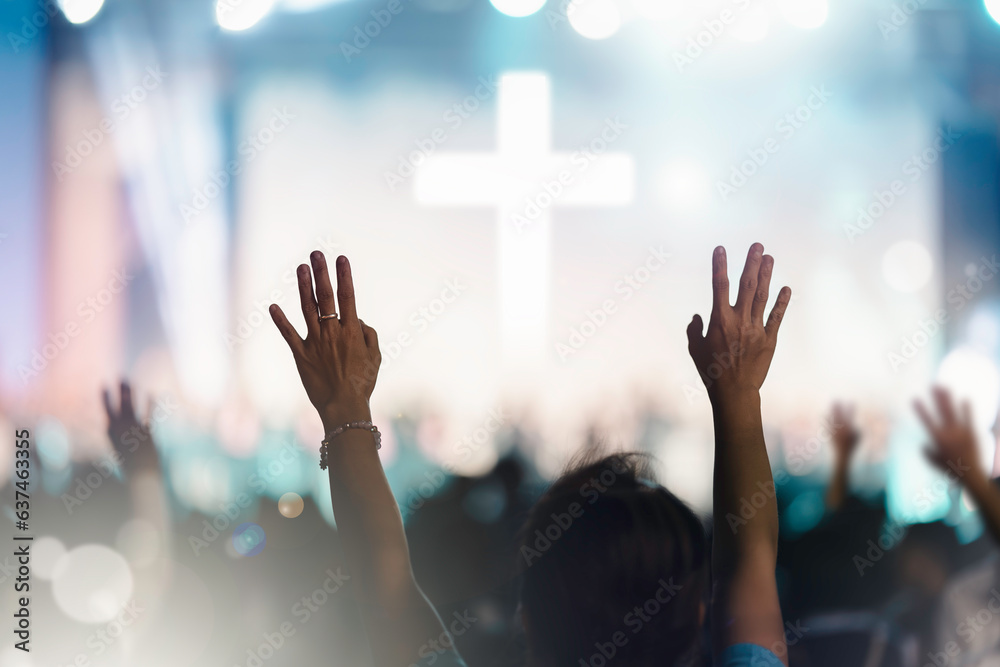
When the lights dim and the first chord reverberates through the sanctuary, a unique blend of anticipation and reverence fills the air. Church concerts and worship nights are more than musical performances; they are orchestrated encounters where sound, spirit, and community converge. For those stepping into this world for the first time, the experience can feel both familiar and profoundly alien, a liminal space where familiar pop culture motifs meet ancient liturgical traditions.
The Atmosphere: A Sacred Playground
From the moment you cross the threshold, the environment signals a departure from ordinary venues. Soft amber hues, subtle fog, and carefully positioned spotlights create an ambiance that feels simultaneously intimate and grand. The space often resembles a concert hall, yet the presence of cross-adorned banners, stained‑glass silhouettes, and whispered prayers reminds attendees that this is a consecrated arena. The acoustics are typically engineered to amplify the human voice, making every sigh and chant resonate as if echoing from the vaulted ceiling.
Short bursts of applause interlace with sustained moments of silence, a rhythm that mirrors the cadence of communal worship. This juxtaposition fosters a peculiar tension—playful exuberance balanced by solemn reflection, allowing the audience to experience joy without abandoning reverence.
Music as a Vessel
At the heart of any church concert lies the music itself. Contemporary worship songs blend melodic hooks with theological lyricism, creating tunes that are both catchy and contemplative. Musicians employ a spectrum of instruments—from electric guitars and drums to strings and even brass—often arranged in layers that swell and recede like tides. The harmonic language frequently borrows from gospel, rock, folk, and classical traditions, resulting in a sonorous tapestry that feels both timeless and modern.
Each song functions as a conduit for collective prayer. Lyrics are crafted to articulate desires, gratitude, and lament, inviting singers to internalize the message while projecting it outward. When the chorus swells, a subtle but perceptible shift in the room’s energy occurs; bodies sway, hands lift, and eyes often close, as if the melody itself becomes a shared breath.
The Role of Community and Collective Emotion
One cannot overstate the importance of the crowd in shaping the experience. Unlike solitary listening sessions, worship nights thrive on shared emotional arcs. Participants often move in unison, clapping, raising hands, or offering spontaneous “hallelujahs.” This synchronization cultivates a sense of belonging, a reminder that individual spirituality is simultaneously personal and communal.
The phenomenon is rooted in what sociologists label “collective effervescence,” a state where group cohesion amplifies individual feelings to an almost transcendent level. In such moments, the boundary between performer and audience blurs; the worship leader becomes a conduit, channeling the congregation’s hopes, doubts, and praises into audible form.
What to Expect When You Walk In
Upon arrival, ushers often greet attendees with a friendly smile and a simple program detailing the night’s flow. The schedule may include a brief “call to worship,” several musical sets, a spoken testimony, and a concluding prayer. The pacing alternates between high-energy songs and quieter reflective interludes, allowing the congregation to breathe between peaks.
If you’re unfamiliar with the songs, screens at the front display lyrics in real time, ensuring you can join in without hesitation. Some venues provide lyric cards or apps, further lowering barriers to participation.
Liturgical Elements and Spontaneous Prayers
Beyond the musical numbers, worship nights often weave in liturgical fragments—an opening Scripture reading, a creedal affirmation, or a moment of silence for personal prayer. These elements ground the experience in tradition while allowing space for spontaneous expressions of faith. In many settings, a “response time” follows a song, during which individuals may approach the altar, kneel, or simply sit in quiet contemplation.
Such practices are not mere formality; they serve as rhythmic punctuation, inviting participants to shift gears from emotive singing to reflective meditation. The blend of structured ritual and unplanned devotion creates a dynamic flow that can feel both orchestrated and organic.
Differences from Secular Concerts
While the outward spectacle—lights, sound, crowd energy—may resemble a secular concert, the underlying intent diverges dramatically. Secular shows often aim for entertainment or artistic appreciation; worship nights prioritize spiritual edification and communal confession. The lighting may be dramatic, but its purpose is to highlight symbolic imagery rather than mere visual effect. The sound mix is tuned to enhance lyrical clarity, ensuring that theological content remains intelligible amidst the sonic bloom.
Moreover, audience behavior differs. Applause may be modest, reserved for acknowledging effort rather than demanding encores. The focus is less on individual celebrity and more on the collective journey toward transcendence.
Participation and Engagement
Active involvement is encouraged, but never coerced. You may opt to sing, sway, or simply listen. Many find that lifting a hand or closing their eyes deepens the connection, allowing the music to become a personal conduit for prayer. Some venues incorporate “response stations,” where attendees can write prayer requests on cards, which are later lifted in collective prayer.
If you feel moved to share, testimonies are often welcomed during designated slots. Speaking your personal experience can foster connection, but silence is equally respected.
After the Show: Fellowship and Reflection
When the final chord fades, the night rarely ends abruptly. Post‑concert fellowship typically includes

