

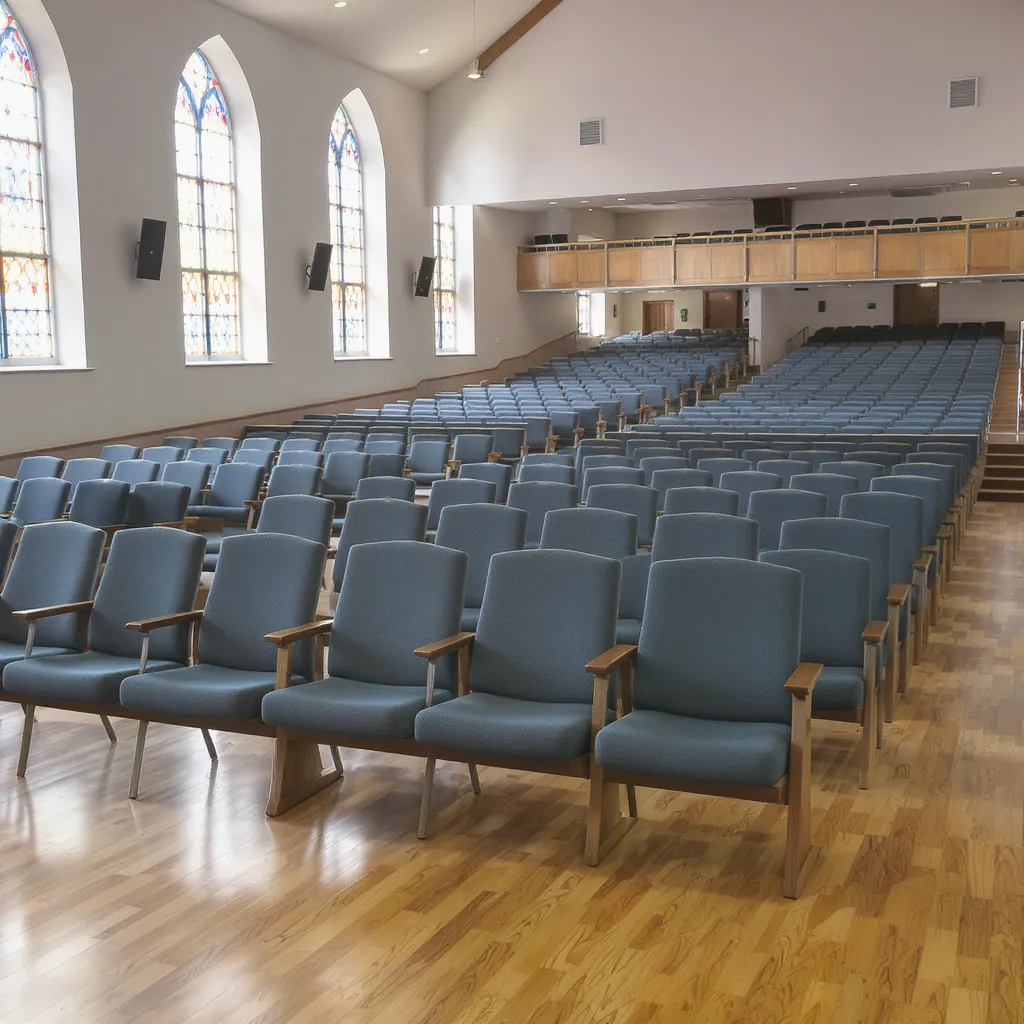
When a congregation gathers, the arrangement of seating can shape the spiritual atmosphere as profoundly as the sermon itself. Thoughtful church seating arrangements marry ergonomic science with liturgical tradition, delivering comfort that sustains long services while preserving the reverence of sacred space. In this guide, we explore the multifaceted considerations—anthropometric, spatial, material, acoustic, and adaptive—that empower clergy, designers, and volunteers to craft a sanctuary where bodies rest and souls breathe.
Understanding Anthropometric Requirements for Sacred Spaces
Human bodies dictate the geometry of any seating layout. Anthropometric data—shoulder width, hip span, thigh length—guides the minimum distance between seat centers, ensuring each worshipper can sit without feeling cramped. For adult congregants, a seat width of at least 20 inches (≈50 cm) and a depth of 17 inches (≈43 cm) offers adequate lumbar support. When accommodating families or individuals with larger frames, widening aisles by 6–8 inches (≈15–20 cm) prevents bottlenecks during entry and exit. By aligning these dimensions with the church’s architectural footprint, planners avoid the “piano‑key” effect, where rows compress too tightly and reduce circulation.
Beyond static measurements, dynamic factors such as posture shifts during hymn singing or prayer demand a slight tilt of the seat pan. A 3‑degree forward tilt encourages an upright yet relaxed stance, mitigating fatigue that otherwise creeps in after the third hymn. Implementing adjustable footrests in front‑row pews can further enhance comfort for those with shorter legs, fostering a more inclusive environment.
The Geometry of Seating: Rows, Clusters, and Curved Configurations
Traditional linear rows impart a sense of order, but they can also produce a visual monotony that dampens engagement. Introducing gentle arcs—whether a subtle semicircle around the altar or a fan‑shaped block near the choir—creates a “gaze‑convergence” effect, drawing eyes toward focal points like the lectern or stained‑glass window. Curvilinear layouts also improve acoustic scattering, allowing sound to reverberate more naturally across the nave.
Cluster arrangements, on the other hand, are ideal for small groups, children’s ministries, or post‑service fellowship. By grouping four to six chairs around a low table, churches emulate the intimacy of a house church while maintaining clear sightlines to the sanctuary front. The modular nature of clusters means they can be reconfigured for potluck dinners, counseling sessions, or youth retreats, providing a versatile spatial choreography that static pews cannot match.
Material Matters: Cushioning, Fabric, and Structural Integrity
The tactile experience of seating influences perception of comfort more than most realize. High‑density foam padding (≈2.5 lb/ft³) wrapped in breathable fabric—such as microfiber or a wool‑blend—offers a balance of softness and durability. The fabric’s weave should be tightly enough knit to resist staining from spilled communion wine yet flexible enough to allow slight “give” under pressure.
Frame construction also matters. Heavy‑gauge steel or solid hardwood provides torsional rigidity, preventing wobble when congregants shift weight during standing prayers. For churches prioritizing sustainability, reclaimed oak or FSC‑certified timber frames paired with recycled‑content cushions can reduce environmental footprint without compromising longevity. Periodic re‑upholstering, scheduled every five to seven years, keeps the seating looking pristine and prolongs the life of the underlying foam.
Sightlines and Acoustic Alignment: Synergizing Sensory Experience
Optimal sightlines ensure every congregant can see the altar, choir, or projection screen without straining. The rule of thumb is a 30‑degree vertical field of view from the edge of the seat to the highest point of the presentation. In practice, this translates to a seat height of roughly 18 inches (≈45 cm) above floor level when the altar is elevated 36 inches (≈90 cm). Adjustable‑height chairs can accommodate variations in platform elevation, preserving clear lines for all.
Acoustic comfort, meanwhile, depends on absorbing excessive reverberation while preserving enough ambience for resonant hymnody. Seats with upholstered backs and sides can act as acoustic panels, reducing flutter echo by 10‑15 percent in typical worship spaces. Pairing these seats with strategically placed diffusers—wall‑mounted wooden slats or acoustic tiles—creates a balanced soundscape where spoken word remains intelligible and musical tones linger with a pleasing warmth.
Accessibility and Inclusion: Navigating Universal Design
A truly welcoming sanctuary integrates universal design principles. Wheelchair‑accessible aisles, minimum 36‑inch (≈91 cm) clear width, allow unhindered movement, while reserved seating for mobility‑impaired worshippers can be positioned at aisle ends for easy transfer. Hearing‑loop systems installed beneath the flooring

