

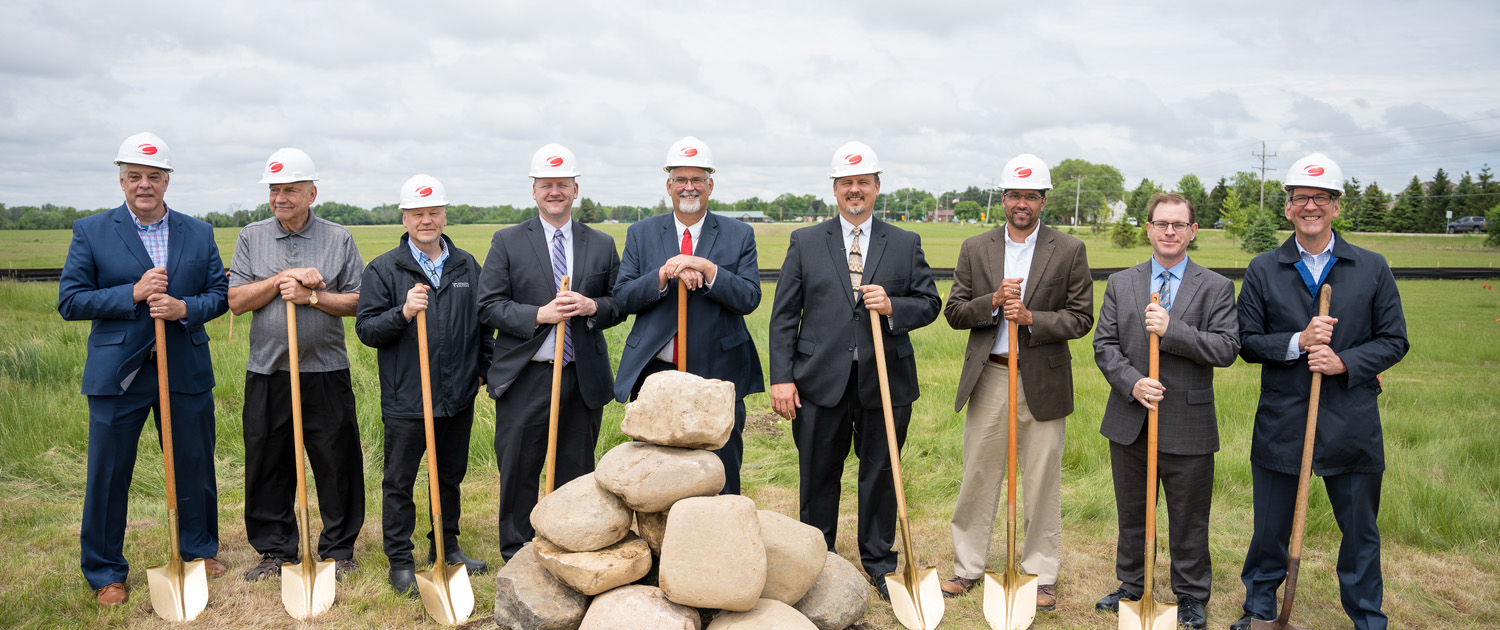
What if the first shovel of earth turned not just soil, but the very foundation of a community’s future? A groundbreaking ceremony is more than a symbolic act—it’s a sacred threshold where faith meets anticipation, where prayers rise like incense before the first brick is laid. For churches, these moments are steeped in tradition, yet brimming with opportunity to craft moments that linger in the hearts of congregants for generations. But how do you transform a simple ceremony into a tapestry of meaning, where every word, gesture, and prayer weaves a story of hope, unity, and divine blessing?
The Sacred Prelude: Why Groundbreaking Prayers Matter
Before the first ceremonial swing of the shovel, there must be a pause—a sacred prelude where the air hums with reverence. Groundbreaking prayers are not mere rituals; they are the spiritual bedrock upon which the entire project rests. These prayers do more than invoke blessings; they consecrate the space, inviting the divine into the mundane. They remind us that even the humblest of structures can become a vessel for grace when consecrated with intention. Imagine a congregation standing in a circle, hands joined, as the pastor’s voice rises like a psalm, weaving together the threads of faith, history, and future. This is where the ordinary becomes extraordinary—a plot of land transforms into holy ground.
Crafting Prayers That Resonate: Examples for Every Tone
Not all prayers are created equal. Some are whispered in quiet awe, while others thunder with the weight of a thousand hopes. A groundbreaking prayer might begin with a plea for divine guidance, as the pastor asks for wisdom to navigate the challenges ahead. It could shift into a hymn of gratitude, thanking God for the hands that will build, the hearts that will gather, and the lives that will be touched by this sacred space. For a more playful tone, consider a prayer that dances between reverence and whimsy, like a child’s first steps into a playground of faith. The key is to match the prayer to the moment—whether it’s solemn, celebratory, or a blend of both.
One example might go like this: “Lord, as we break ground today, let this earth remember the prayers of those who walked before us. May the walls we raise be not just of stone and mortar, but of love and service. And when the last brick is set, let it stand as a testament to Your faithfulness.” Another could be more interactive, inviting the congregation to respond with a unison “Amen” after each line, turning the prayer into a communal act of faith.
The Challenge of Authenticity: Avoiding Hollow Rituals
Yet, here lies the rub: how do you ensure these prayers don’t become hollow echoes, recited out of obligation rather than conviction? The challenge is to infuse every word with sincerity, to make the prayer feel like a living conversation with the divine rather than a perfunctory checklist item. This requires preparation—not just of the words, but of the heart. The pastor or leader must reflect deeply on the purpose of the church, the dreams of the congregation, and the role this building will play in their spiritual journey. A prayer that feels authentic is one that is born from genuine emotion, not rehearsed performance.
Consider the story of a small-town church that nearly abandoned its groundbreaking ceremony due to a sudden storm. The pastor, instead of canceling, led the congregation in an impromptu prayer under the pouring rain, their voices rising in defiance and faith. The prayer wasn’t planned, but it was real—and that authenticity resonated far more than any scripted words could have. The lesson? Prayers don’t need to be perfect; they need to be heartfelt.
Interactive Prayers: Engaging the Congregation Beyond the Pulpit
Why should the pastor have all the fun? Groundbreaking prayers can become a communal experience, drawing the congregation into the act of blessing. One idea is to invite members to write their own prayers or hopes for the new church on slips of paper, which are then placed in a time capsule to be opened at the building’s dedication. Another approach is to have different groups—youth, elders, ministry leaders—offer short, spontaneous prayers during the ceremony. This not only diversifies the voices but also strengthens the sense of ownership among the congregation.
For a more theatrical touch, consider a “prayer chain” where congregants physically link hands in a circle, symbolizing the unbroken bond of faith that will hold the church together. As each person prays aloud or in silence, the energy of the group amplifies the prayer’s power. These interactive elements transform a groundbreaking ceremony from a passive event into an active, participatory experience.
Prayers for the Unseen: Blessing the Workers and the Work
It’s easy to focus solely on the spiritual aspects of the ceremony, but what about the hands that will build the church? The architects, laborers, and volunteers who will pour their sweat into the project deserve to be remembered in prayer. A groundbreaking ceremony is an opportunity to bless not just the space but the people who will bring it to life. A prayer for the workers might ask for strength to endure long hours, patience to overcome challenges, and joy in their labor. It could also include a plea for safety, that no harm would come to those who toil in the sun or the rain.
One moving example is a prayer that compares the construction process to the building of a spiritual life: “Just as we lay these bricks with care, let our lives be built with the same intention. May the mortar of Your love hold us together, and may the structure we create stand as a beacon of hope for all who enter.” By acknowledging the human element, the prayer becomes a bridge between the divine and the everyday.
Weathering the Storm: Prayers for Challenges Ahead
No groundbreaking ceremony is complete without acknowledging the storms that may lie ahead—whether literal or metaphorical. Fundraising shortfalls, construction delays, or even spiritual doubts can threaten to derail the project. A prayer for perseverance might ask for resilience in the face of adversity, for the wisdom to navigate obstacles, and for the faith to trust in God’s timing. It could also include a playful nod to the unexpected, like a prayer for “enough rain to keep the grass green but not so much that the foundation washes away.”
One congregation in a hurricane-prone area incorporated a prayer for protection against the elements, asking God to shield their laborers and their work from harm. The prayer wasn’t just about the ceremony; it was about the journey that would follow. By facing these challenges head-on in prayer, the congregation demonstrates a mature faith—one that doesn’t shy away from reality but meets it with trust.
The Legacy of a Groundbreaking Prayer
A well-crafted groundbreaking prayer doesn’t end when the shovels are put away. Its echoes linger in the walls of the church, in the memories of the congregation, and in the stories passed down through generations. It becomes a touchstone—a reminder of the day when faith and action first met, when dreams were planted in the earth and watered with prayer. To leave a legacy, the prayer should be recorded, perhaps in a plaque or a book of remembrance, so that future generations can read the words that consecrated their spiritual home.
Consider the words etched into the cornerstone of an old cathedral: “As these stones are laid, so too is the foundation of our faith.” That is the power of a groundbreaking prayer—not just to bless a building, but to sanctify a journey. It’s a call to remember that every structure, no matter how grand or humble, begins with a single act of faith. And perhaps, on that day, as the first shovel touches the earth, the heavens lean in just a little closer to listen.

