

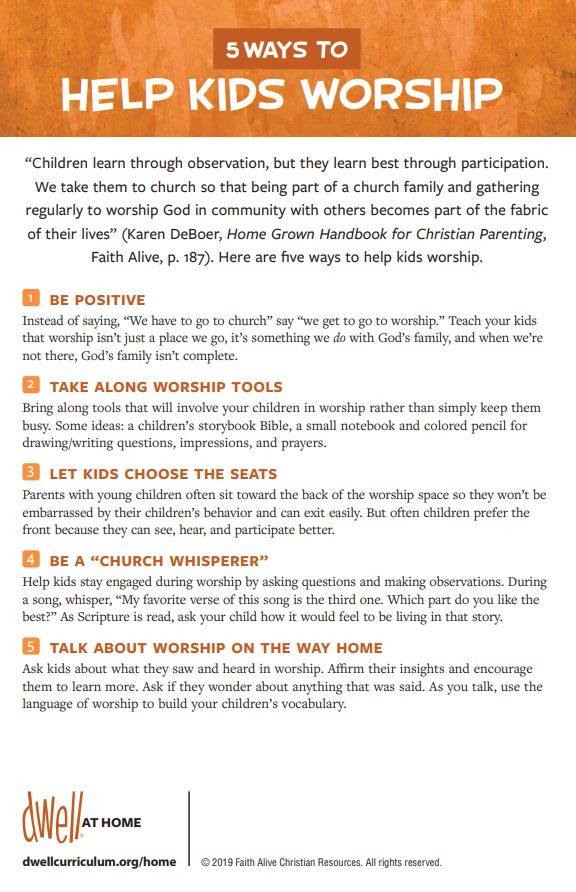
Opening the door to spiritual conversation with your children can feel like stepping into a sanctuary of discovery, where every question becomes a hymn of curiosity and every answer a beacon guiding their growing faith.
Establishing a Faith Lexicon
Begin by weaving a consistent vocabulary of belief into the fabric of daily life. Use terms like “grace,” “redemption,” and “communion” not as abstract jargon but as vivid pictures that children can see, hear, and feel. When a toddler hears “God’s love is like a warm blanket,” the phrase turns an intangible concept into a comforting image that sticks.
Repeating these words in bedtime prayers, car rides, or while preparing meals creates a liturgical cadence that normalizes church talk. Over time, the language becomes part of their inner dialogue, allowing them to internalize values before they even understand doctrinal definitions.
Choosing the Right Moments
Select moments of natural transition—like the transition from Sunday school to the sanctuary, or from a family meal to bedtime—to introduce church‑related topics. These windows of opportunity, often labeled “teachable instants,” are when children’s minds are most receptive.
When a child asks, “Why do we sing together?” respond with a story that links music to communal praise, turning the query into a launchpad for deeper reflection rather than a perfunctory answer.
Utilizing Scriptural Narratives
Stories from the Bible serve as timeless vessels for conveying moral and spiritual truths. Choose narratives that feature children or families—think of Samuel’s calling or the Little House on the prairie‑like parables—to make the content relatable.
When retelling a story, pause at pivotal moments and ask, “What would you do if you were Samuel?” This approach encourages imaginative engagement, fostering a personal connection with scripture that goes beyond rote memorization.
Encouraging Questions and Curiosity
Create an atmosphere where curiosity is celebrated, not stifled. Invite queries such as, “Why do we have a cross?” or “What does resurrection mean?” by saying, “Great question—let’s explore it together.”
Answer with humility, admitting when a concept is complex and promising to discover the answer side by side. This models a lifelong learning posture and assures children that doubt is a natural part of faith journey.
Modeling Authentic Worship
Children learn more from observation than instruction. Let them see you engage in prayer, attend services, or volunteer within the congregation. When you pause to whisper a thank‑you before a meal, the act whispers volumes about reverence.
Share personal testimonies of how worship has shaped your decisions, using narrative anecdotes that illustrate the relevance of church life in everyday scenarios.
Creating Safe Spaces for Dialogue
Establish a “faith corner” at home—a quiet nook with books, art supplies, or a small prayer bench—where children feel comfortable expressing thoughts without judgment.
In this space, encourage role‑play: let them lead a brief “service” with dolls or stuffed animals, fostering an internalized sense of liturgical practice while allowing mistakes to be learning moments.
Navigating Doubt and Skepticism
Doubt is not a enemy of faith; it is a catalyst for deeper understanding. When a child declares, “I don’t think God is real,” respond with, “That’s a brave thought—what makes you feel that way?”
Offer gentle counterpoints through science, philosophy, or personal experience, emphasizing that many adults also wrestle with uncertainty and that dialogue is a pathway to clarity.
Integrating Church into Everyday Life
Bridge the gap between Sunday services and Monday mornings by linking actions to beliefs. For instance, when your child shares a toy, tie the act to the biblical principle of generosity.
Use routine tasks—such as cleaning the house or helping a neighbor—as opportunities to discuss stewardship and compassion, reinforcing that church values are lived, not just spoken.
Leveraging Community Resources and Activities
Enlist the support of church groups, family workshops, or youth ministries that specialize in intergenerational faith formation. Attend events like Vacation Bible School, service projects, or intergenerational prayer walks.
These gatherings provide immersive experiences where children can ask questions in a communal setting and see peers modeling the same conversations you encourage at home.
Evaluating Progress and Adjusting Approaches
Periodically check in with your child about what they are absorbing. Ask open‑ended prompts like, “What’s your favorite part of the service?” or “Which story from church resonated most with you?”
Use their feedback to refine your communication strategy, shifting from storytelling to more doctrinal explanations or from group activities to one‑on‑one discussions as their comprehension evolves.
Conclusion: Cultivating a Lifelong Dialogue
Talking to your kids about church is not a one‑time lecture but a sustained, heartfelt dialogue that grows alongside them. By embedding language, stories, questions, and lived experiences into daily rhythms, you nurture a sacramental imagination that will guide them through adolescence and adulthood.
Remember, each conversation is a stitch in the tapestry of their faith, and with patience, passion, and purposeful practice, the pattern will shine brightly for generations to come.

