

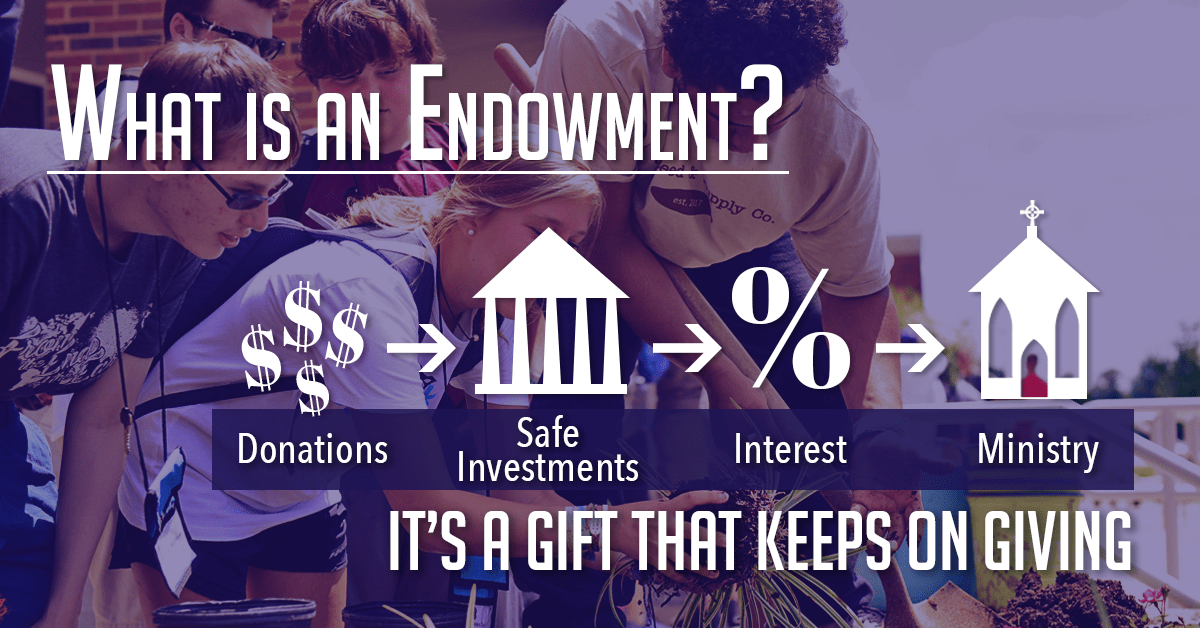
When a congregation gathers for worship, the rustle of hymnals and the echo of prayer often mask a quieter financial symphony humming beneath the sanctuary’s vaulted ceiling. An endowment, in its most elemental form, is a reserved pool of resources—gifted by faithful members, earmarked for perpetuity, and cultivated to support the church’s mission beyond the immediate tides of weekly offerings. This capital reserve, woven from past generosity and future hope, can reshape how a faith community nurtures souls, expands outreach, and safeguards its heritage for generations yet unborn.
Understanding the Theological Underpinnings
Scriptural injunctions to “lay up for yourselves treasures in heaven” (Matt. 6:20) form the doctrinal bedrock upon which church endowments are erected. The act of setting aside funds is viewed not as a cold transaction but as an act of fiduciary worship—an echo of the ancient practice of tithes, now amplified into a strategic reservoir. Theologically, the endowment becomes a living parable: the seed sown today yields a harvest tomorrow, embodying the church’s eschatological optimism and its commitment to inter‑generational solidarity.
Legal Architecture: Trusts, Corporations, and Tax‑Exempt Status
In the United States, an endowment typically resides within a 501(c)(3) organization, either as a separate trust or as a component of the church’s incorporated body. The legal scaffolding ensures that donated assets are quarantined from operational volatility and protected under state charitable trust statutes. Donor‑advised funds, private foundations, and charitable remainder trusts each offer distinct advantages, but they share a common requirement: adherence to the prudent investor rule, which obligates trustees to manage assets with the care a reasonable person would exercise.
Fund Mechanics: Building the Corpus
The “corpus” is the principal sum that, once contributed, is generally inviolable, while “income” refers to the earnings generated through prudent investment. Churches may solicit outright gifts, pledge multi‑year commitments, or encourage planned giving through bequests, retirement plan designations, or charitable gift annuities. Each influx augments the corpus, amplifying its capacity to generate sustainable returns. The alchemy lies in balancing immediate fundraising vigor with long‑term capital preservation, lest the endowment’s very purpose be eroded by short‑sighted spending.
Investment Philosophy: Ethical Screening and Prudent Management
Modern endowments often apply faith‑based screens—eschewing companies whose practices contravene scriptural stewardship principles. Simultaneously, they embrace modern portfolio theory, diversifying across equities, fixed‑income instruments, real assets, and alternative investments. The integration of ESG (Environmental, Social, Governance) criteria reflects a covenantal responsibility to creation care, while the pursuit of risk‑adjusted returns honors the fiduciary duty owed to future beneficiaries. Uncommon terminology such as “impact‑weighted alpha” and “socially responsible beta” increasingly infiltrate the lexicon of church finance committees.
Distribution Protocols: Allocating Benefits with Purpose
Once the endowment’s investment engine yields returns, distribution policies dictate how those gains are channeled. Policies may stipulate a fixed percentage of the average market value (often 4‑5 %) to preserve purchasing power over time, or they may adopt a “spending rule” that adjusts annually based on inflation and strategic priorities. Typical allocations fund capital campaigns, pastoral stipends, community outreach, educational scholarships, and facilities maintenance—each line item a thread in the tapestry of mission. Transparency in these allocations cultivates trust and motivates ongoing donor engagement.
Stewardship, Transparency, and Accountability
Effective stewardship is not merely a bureaucratic exercise; it is a spiritual discipline. Regular reporting—through newsletters,

