

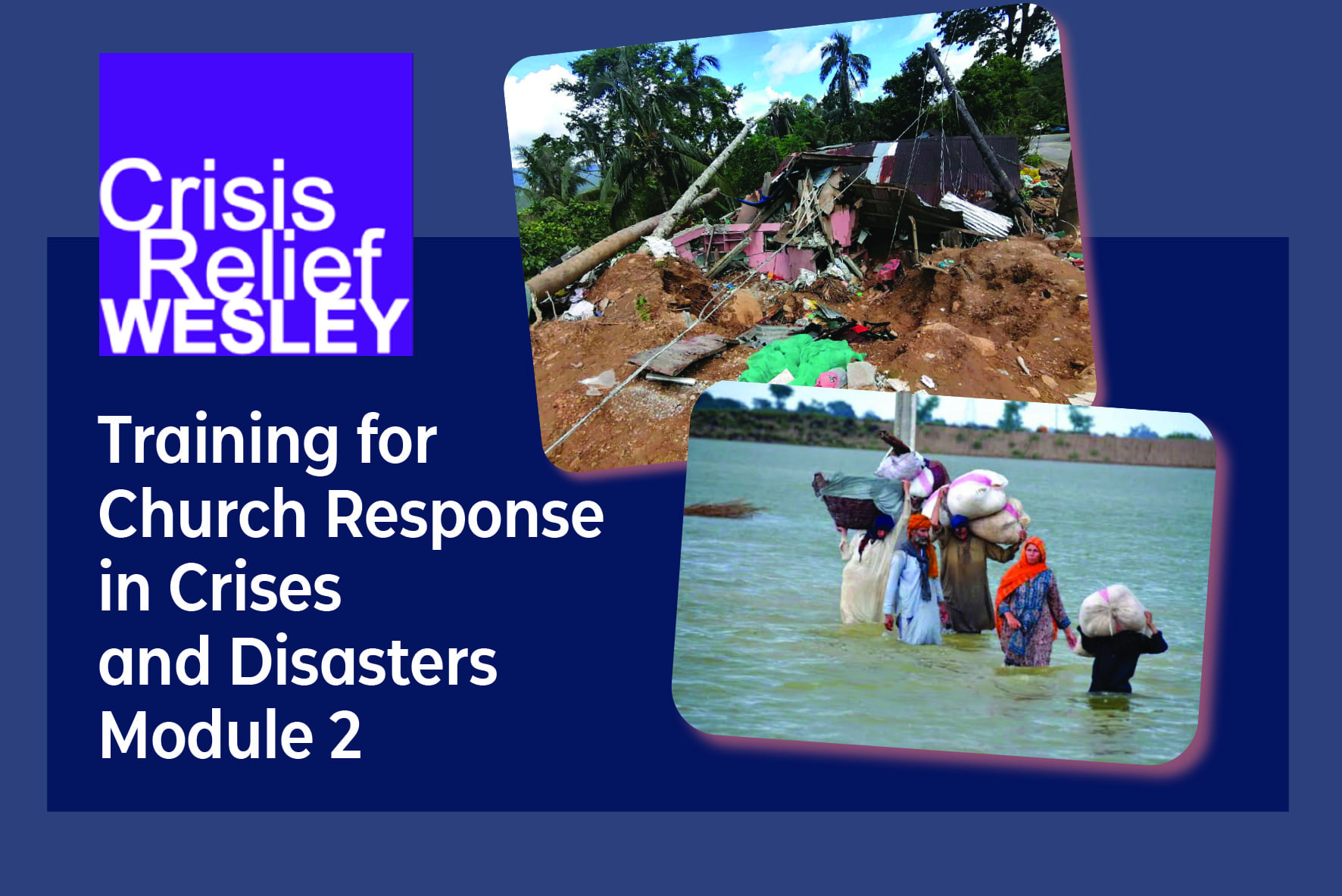
When the ground shudders and the horizon darkens, the hallowed walls of a church do not retreat into quiet reverence; they become the first line of compassionate resistance. In that trembling instant, the faithful are called to transform prayer into palpable aid, to harness hope as a resource that can be poured into the cracked foundations of a community. This narrative explores the sacred choreography of disaster relief—a ministry where devotion and logistics converge, where the echo of a hymn can be heard amidst the clang of rescue equipment.
The Divine Summons: Understanding the Call to Serve
At the core of ecclesiastical disaster response lies the prophetic utterance that crisis is a crucible for faith. Scripture repeatedly frames catastrophe as a summons: “Be strong and courageous; do not be terrified… for the Lord your God will be with you wherever you go.” This divine invitation is not passive; it demands active presence, a willingness to step into the maelstrom while holding the lantern of belief aloft. When a tornado rakes through a town or floodwaters surge across a valley, the church is invited to act as a conduit of divine mercy, turning theological conviction into material assistance.
Understanding this call requires a dual awareness: the external urgency of a disaster, and the internal preparedness of a congregation. The interplay between spiritual readiness and operational readiness creates a fertile ground for effective ministry.
Foundations of Faith-Driven Response
Faith-driven response is built upon the twin pillars of theological conviction and practical compassion. The theological pillar affirms that every life bears the imprint of the divine, warranting dignity even in the most chaotic moments. The practical pillar demands that the church develop systems for rapid assessment, resource allocation, and deployment. Together they form an架构 (structure) that can sustain both the immediate rescue and the long-term rebuilding.
This framework is not merely administrative; it is liturgical in its rhythm, echoing the liturgical calendar through acts of service. Each decision—whether to dispatch a mobile kitchen or to organize a trauma‑care team—is an expression of worship, a prayer made flesh.
Preparation: Building the Ark Before the Flood
Metaphorically, the church must construct its own ark long before the deluge arrives. This “ark” comprises trained volunteers, pre‑positioned supplies, and a communication network that can be activated at a moment’s notice. Key preparatory steps include:
- Establishing a disaster‑response committee with clear roles—spiritual liaison, logistics coordinator, communications officer.
- Curating emergency caches of water, non‑perishable food, medical kits, and shelter materials, staged in strategic locations.
- Developing relationships with local emergency management agencies, NGOs, and neighboring congregations for mutual aid.
By investing in these pre‑emptive measures, the church transforms uncertainty into structured readiness, ensuring that when the storm erupts, the response is both swift and sanctified.
Immediate Action: The First Responders of the Kingdom
In the immediate aftermath, the church functions as a “first responder” not in the conventional sense of fire trucks or ambulances, but as a spiritual and logistical vanguard. Volunteers become the hands of Christ, distributing blankets, setting up temporary shelters, and offering a listening ear. The immediacy of care is crucial; research shows that psychological first aid delivered within the first 72 hours can significantly reduce trauma symptoms.
This rapid deployment relies on a pre‑drilled communication tree: text alerts, social media channels, and a designated command center within the church facility. The synergy of prayerful presence and practical aid creates a sanctuary of calm amidst chaos.
Long‑Term Recovery: Restoration as Ministry
Recovery is not a sprint; it is a marathon of rebuilding lives, homes, and hope. The church must transition from emergency relief to sustainable rehabilitation, a process that mirrors the biblical narrative of restoration after exile. This involves:
- Conducting comprehensive damage assessments to prioritize repair efforts.
- Facilitating community meetings that empower survivors to articulate their needs and co‑create recovery plans.
- Partnering with architects and builders who share the church’s ethos to reconstruct homes that are both physically sound and spiritually uplifting.
Long‑term recovery also entails addressing systemic inequities exposed by the disaster, such as inadequate housing or lack of access to mental‑health services, thereby embedding advocacy into the relief mission.
Community Engagement and Collaboration
No single entity can shoulder a catastrophe alone; the church must act as a catalyst for a broader network of compassion. Collaboration can take the form of interfaith coalitions, partnerships with secular NGOs, or joint ventures with local businesses. These alliances amplify resources, broaden expertise, and foster a shared sense of responsibility.
Effective collaboration requires clear communication protocols, shared metrics for success, and a willingness to yield control when the mission demands it. By cultivating trust across denominational and cultural divides, the church extends its reach and deepens its impact.
Emotional and Spiritual Care
Beyond material assistance, the church offers a sanctuary for the weary soul. Disaster survivors often experience a cascade of emotions—fear, grief, anger, and disbelief. Pastoral caregivers, trained in trauma‑informed counseling, can provide:
- On‑site prayer vigils and reflective spaces for quiet contemplation.
- Scripture‑based comfort readings that frame suffering within a larger redemptive narrative.
- Referrals to professional counseling services when clinical intervention is required.
By addressing both the spiritual and psychological dimensions, the church fulfills its holistic mission, ministering to the whole person—body, mind, and spirit.
Funding and Resource Mobilization
Monetary stewardship becomes a pivotal element of disaster response. The church must adopt transparent financial practices, ensuring that donations are allocated efficiently and ethically. Strategies include:
- Launching a

