

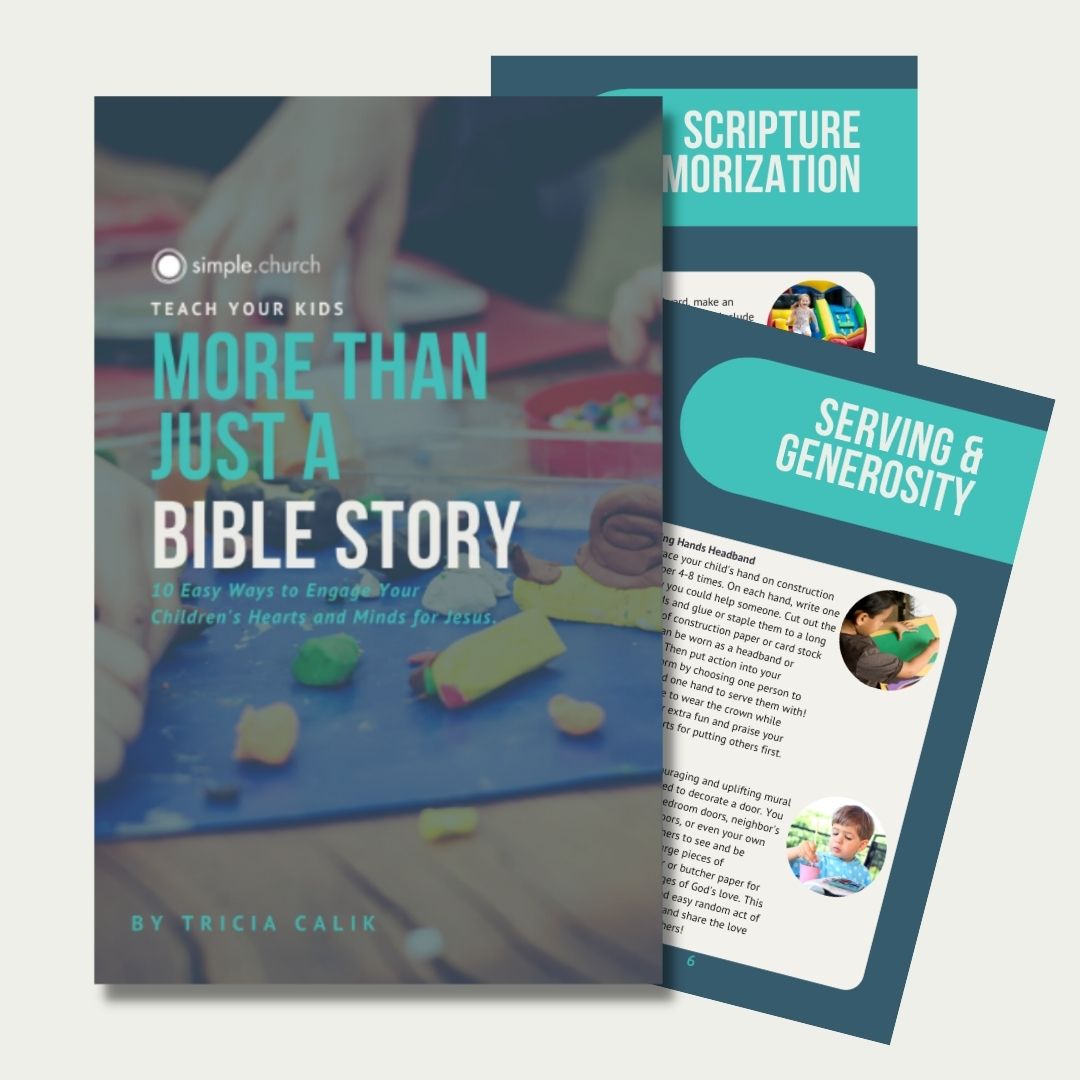
Introducing children to the biblical narrative is akin to handing them a luminous compass that points toward timeless truth, and the church becomes the fertile garden where those early wanderers first hear the rustle of divine whispers.
The Sacred Narrative: Setting the Stage
Before any lesson begins, the sanctuary itself must whisper anticipation. Light, scent, and sound converge in a symphonic tableau, inviting young hearts to sense the extraordinary. When the room feels like a gentle hilltop at sunrise, children instinctively lean in, ready for an epistemic adventure that blends reverence with curiosity.
Understanding the Developmental Tapestry
Kids do not receive truth in the same way adults do. Their comprehension weaves through concrete imagery, tactile play, and emotional resonance. By mapping the cognitive milestones—pre‑operational, concrete‑operational, and early formal‑operational—teachers can tailor metaphors that feel both intuitive and prismatic, ensuring the biblical story lands like a vivid tapestry rather than abstract doctrine.
Crafting Age‑Appropriate Scaffolding
Scaffolding is the pedagogical skeleton that supports growth without stifling wonder. For toddlers, a simple story of Noah’s ark can be reframed as a floating sanctuary where animals line up in a calm parade. For early elementary children, the journey of the Exodus can be presented as an adventurous trek across a desert of shifting dunes. The key is to distill complex theological concepts into digestible, sensory‑rich episodes that still preserve the sacred core.
Interactive Storytelling: A Theatrical Alchemy
Storytelling that invites participation transforms passive listeners into active co‑creators. By distributing simple props—a shepherd’s crook, a bronze serpent replica—children can act out scenes, embodying characters and feeling the weight of moral choices. This theatrical alchemy not only cements the narrative in memory but also ignites empathy, allowing kids to step into the sandals of biblical figures and sense the heartbeat of their journeys.
Memory Palaces: Encoding Truths in Mindful Grooves
The ancient art of the memory palace can be adapted for young minds. A classroom can become a garden of “memory rooms,” each decorated with symbols that correspond to a biblical truth. When a child recalls the image of a lantern shining in a dark tent, the promise of “I am the light of the world” surfaces effortlessly. This technique turns abstract verses into vivid mental landmarks, embedding them in the cerebral architecture of faith.
Visual Mnemonics and Prismatic Media
In a world saturated with screens, visual mnemonics serve as bridges between ancient text and contemporary perception. Vivid illustrations, animated vignettes, and even simple hand‑drawn murals can transform a verse like Psalm 23 into a pastoral scene where the child’s own backpack becomes the rod and staff. By layering color, shape, and motion, teachers can create prismatic media experiences that capture attention and reinforce learning.
Embodied Learning: Songs, Gestures, and Liturgical Dramatics
When children sing “Deep and Wide” while tracing a river with their arms, the lyrics become kinetic poetry. Gestural actions—like miming the parting of the Red Sea with sweeping hands—embed the narrative in muscle memory. Liturgical dramatizations, such as reenacting the Last Supper with bread and grape juice, invite kids to taste and feel the sacred story, reinforcing its significance through embodied experience.
Engaging Families as Co‑Cultivators
Teaching the Bible to children does not end at the church door. When parents are invited into the learning journey—through take‑home activity cards, family devotions, or shared storytelling sessions—the church’s effort blossoms beyond its walls. This partnership cultivates a continuous dialogue of faith, allowing biblical themes to be nurtured at the dinner table and reinforced during bedtime prayers.
Navigating Questions with Curiosity and Reverence
Children’s inquiries are natural sparks that illuminate deeper truth. When a child asks, “Why did God allow the flood?” the teacher can respond with curiosity, guiding them to explore themes of justice, mercy, and divine patience. Framing answers within a narrative of relational love—rather than doctrinal absolutes—encourages an ongoing quest for understanding while preserving reverence for the mystery of Scripture.
Assessing Spiritual Growth: Formative Echoes
Assessment in faith formation is less about tests and more about observing the echo of biblical truth in a child’s life. Simple reflective tools—such as drawing a “faith moment” from the week or describing a time they shared kindness—reveal how the story resonates personally. These formative echoes provide insight into the child’s internalization of scripture, guiding future teaching moments.
Sustaining the Journey: Mentorship and Community
Each lesson plants a seed, but mentorship waters it over time. Pairing children with mature believers creates a relational lattice where questions are answered, challenges are met, and faith is modeled. Community events—story circles, service projects, or intergenerational worship nights—reinforce that the biblical narrative is a shared adventure, not a solitary quest.
Conclusion: The Ever‑Glowing Flame
When the final candle is extinguished at the close of a lesson, the flame does not vanish; it merely settles into the quiet chambers

