

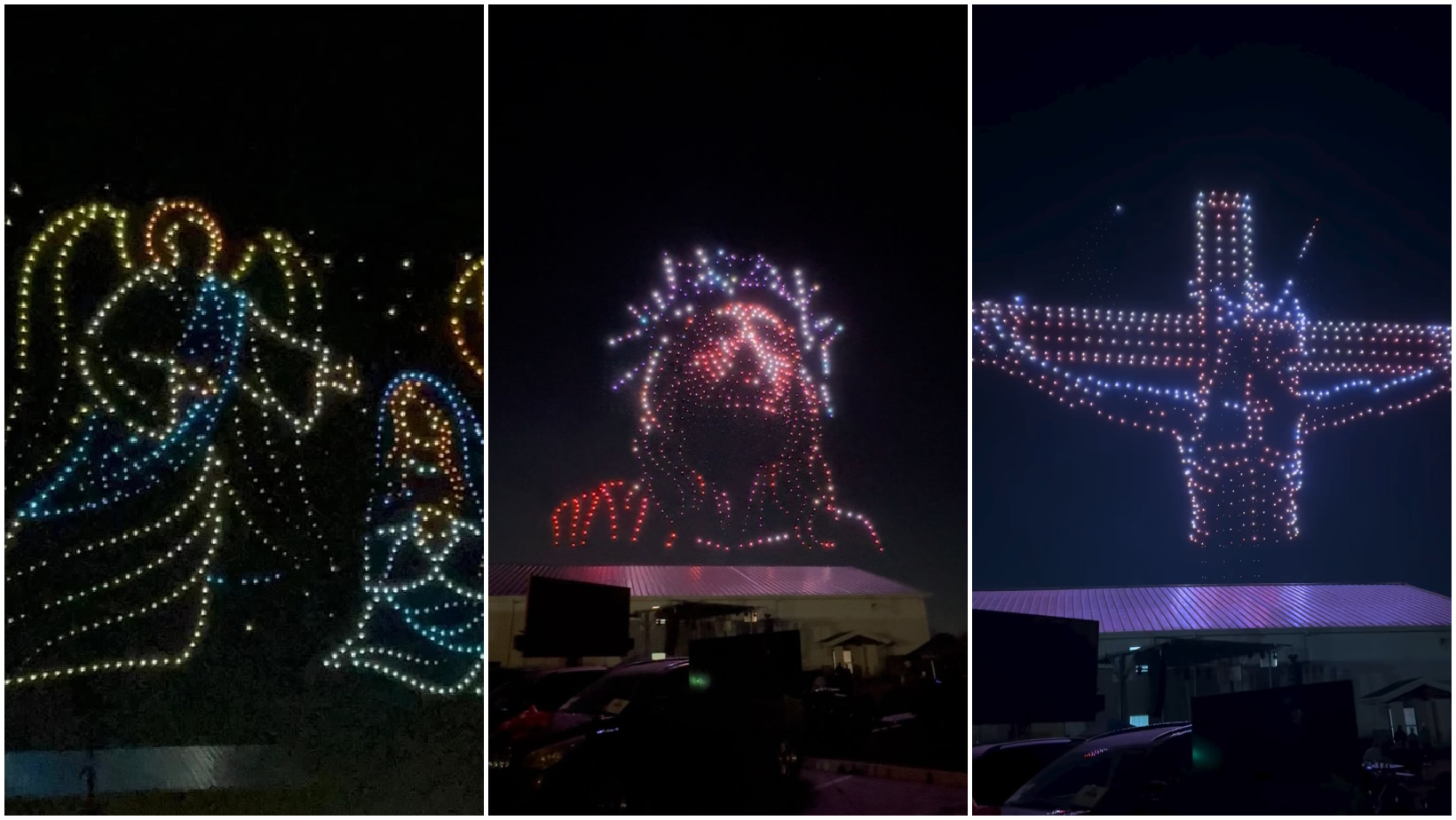
When a church looks upward and sees the night sky as an endless altar, the possibilities for connection become limitless. Drones can transform a conventional gathering into an ethereal experience, turning the heavens into a living stained‑glass window that speaks to both the faithful and the curious.
The Sky as a Sanctuary: Embracing Drone Technology
Churches have long used architecture to frame worship; now the aerial canvas offers a new dimension. By deploying a fleet of synchronized flying machines, a congregation can craft a visual sermon that moves beyond walls. The sky becomes a sanctuary of light, where each drone acts like a digital cherub, delivering messages of hope with every swoop and glide.
Regulatory Alchemy: Navigating FAA and Local Ordinances
Before launching any aerial ministry, it is essential to transmute legal constraints into a workable plan. Obtain a Remote Pilot Certificate, file a waiver if the flight exceeds 400 feet, and secure local permits when the event draws crowds. Consult the FAA’s TRUST (The Recreational UAS Safety Test) and keep a flight log that details altitude, time, and purpose. These steps act as a protective veil, ensuring that the ministry’s celestial choreography stays within the law.
Scripting the Celestial Ballet: Creative Planning
A successful drone showcase is akin to a choreographed ballet. Begin with a storyboard that aligns scripture passages with flight patterns. Imagine a narrative arc: an opening “Genesis” formation of lights expands into a “Cross” silhouette, followed by a “Resurrection” burst of radiant hues. Use software such as DroneScript or Litchi to program waypoints that translate thematic beats into graceful trajectories. The result is a harmonious symphony of motion that reinforces the church’s message.
Equipment Ensemble: Selecting the Right Drone Fleet
Choosing drones is like assembling a choir; each voice must complement the others. For indoor events, compact quadcopters like the DJI Mavic Air 2 provide agility without sacrificing visual fidelity. Outdoor light shows benefit from larger platforms equipped with high-lumen LED payloads, such as the E600 from Intel. Ensure each unit has a dedicated controller and a backup battery system to avoid mid‑performance blackouts.
Safety Nets in the Heavens: Risk Management
Even the most luminous display can falter if safety is neglected. Establish a perimeter using pylons and reflective tape, and inform attendees of potential low‑altitude flight zones. Assign a ground crew to monitor weather conditions, especially wind gusts that could destabilize a swarm. Equip each drone with geo‑fencing to prevent accidental overflight into restricted airspace. This invisible safety net guards both participants and the technology alike.
Liturgical Light Shows: Drone Swarms for Worship
When the choir sings, the drones can answer. A coordinated light show can echo biblical motifs: a swarm forming a “Star of Bethlehem” that pulses gently, or a cascading waterfall of lights representing the Holy Spirit. These visual metaphors create an immersive environment that resonates emotionally, allowing congregants to experience scripture in a visceral, almost tangible way.
Capturing the Sacred: Aerial Videography and Live Streaming
Beyond the display, drones serve as an eye in the sky for documentation. Use a high‑resolution 4K camera mounted on a stabilized gimbal to capture sweeping views of the congregation, the building’s architecture, and surrounding landscapes. Integrate a live‑stream platform to broadcast the service globally, expanding outreach beyond geographical limits. The footage can later be edited into promotional clips or devotional series.
Outreach Ascension: Using Drones for Community Impact
Drones can also become tools of service. Organize a “Blessing Drop” where small packages of food, hygiene kits, or scripture flyers are delivered to neighborhoods within a designated radius. Pair this with an interactive QR code on each payload that directs recipients to a church website for further engagement. The aerial delivery not only meets immediate needs but also plants seeds for future spiritual conversations.
Budgeting for Altitude: Financial Considerations
While the technology may seem costly, creative financing can make it attainable. Form partnerships with local businesses willing to sponsor a drone light show in exchange for brand visibility. Apply for grants aimed at community enrichment or innovative worship projects. Additionally, consider a tiered rental model: purchase a core fleet for regular use and rent supplemental units for larger seasonal events.
Training the Congregation: Workshops and Simulated Flights
An educated community is an empowered one. Host monthly workshops that teach basic flight controls, safety protocols, and scriptwriting for light displays. Use simulation software such as Velocidrone to let members practice without risking real hardware. Certification pathways can also be offered, encouraging volunteers to become licensed pilots who can steward the ministry’s aerial endeavors responsibly.
Measuring Impact: Data, Feedback, and Continual Improvement
After each event, collect quantitative data—attendance numbers, streaming viewership, social media impressions—and qualitative feedback through surveys and testimonies. Analyze the correlation between drone‑enhanced moments and increased congregational engagement. Iterate on flight patterns, timing, and storytelling based on these insights, ensuring each subsequent performance is more resonant than the last.
Conclusion: From Pew to Cloud
By weaving drones into the fabric of church life, a congregation ascends from traditional pew‑bound worship to a dynamic partnership with the heavens. The sky becomes a collaborative stage where technology and faith interlace, delivering messages that linger long after the last LED fades. When the final drone glides back to its launch pad, the lingering glow reminds everyone that the spirit, like a perfectly choreographed swarm, can rise higher than ever imagined.

