

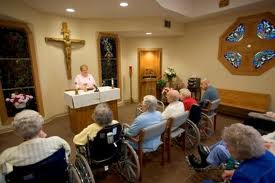
When a congregation steps beyond the stone walls of its sanctuary and into the quiet corridors of a nursing home, a sacred cadence emerges. The gentle hum of life there carries stories of faith, loss, and hope that beckon the church to share its love in a tangible way. Organizing church visits to these elder abodes requires intention, compassion, and a willingness to listen—an endeavor that can transform both the residents and the volunteers.
Clarifying the Pastoral Vision
Before any schedule is drafted, the leadership must articulate a clear pastoral vision. This vision should highlight the dual purpose of offering spiritual comfort and fostering genuine companionship. By defining goals—such as uplifting morale, sharing scripture, or simply providing a listening ear—congregants can align their actions with a unified mission. A concise statement of purpose becomes the compass that guides each visit, ensuring that every interaction feels purposeful rather than perfunctory.
Building a Coordination Committee
Effective logistics demand a dedicated coordination committee. This small, agile team gathers representatives from worship, lay ministry, and volunteer services. Their responsibilities include mapping out resident capacities, liaising with nursing home staff, and securing transportation. The committee also drafts a rotating schedule, assigns leaders for each visit, and maintains a communication hub—perhaps a shared digital board—to keep all participants informed in real time.
Designing a Spiritual Visiting Protocol
A spiritual visiting protocol serves as the roadmap for each encounter. The protocol should outline the flow of arrival, greeting, activity, and departure. It may prescribe a brief prayer upon entry, a hymn or meditation segment, and a moment of silent reflection before leaving. By establishing consistent steps, volunteers can focus on presence rather than improvisation, allowing the encounter to feel calm, reverent, and structured.
Curating Liturgical Materials and Activities
Selection of liturgical materials can elevate the encounter from routine to resonant. Consider便携式赞美诗集、袖珍圣经章节、柔软的心灵卡片, each chosen for readability and emotional resonance. Interactive elements—such as guided recollection games, simple origami prayer flags, or intergenerational storytelling circles—can engage residents with varying cognitive abilities. The key is to balance reverence with accessibility, ensuring that every participant feels included.
Equipping Volunteers with Compassionate Skills
Training is the bedrock of compassionate engagement. Volunteers should receive instruction on active listening, non‑verbal cues, and culturally sensitive language. Role‑playing scenarios—like a resident expressing grief or confusion—helps participants practice empathy without overstepping. Additionally, basic first‑aid awareness and knowledge of common chronic conditions empower volunteers to respond appropriately, reducing anxiety for both parties.
Mapping Visit Timelines and Routines
Nursing home residents adhere to structured daily rhythms: medication times, meals, therapy sessions, and rest periods. A thoughtful timeline honors these routines, scheduling church visits during peak alertness—such as mid‑morning or early afternoon. By aligning arrival with a resident’s natural wakefulness, the visit becomes a welcomed interlude rather than an intrusion. Flexibility is essential; occasional adjustments reflect genuine respect for individual needs.
Fostering a Warm, Inviting Atmosphere
The physical environment can set the tone for spiritual exchange. Volunteers may bring small tokens: scented candles, soft blankets, or a portable speaker for soothing hymn playback. Seating arrangements should be eye‑level, encouraging eye contact and diminishing hierarchical barriers. A warm smile, a gentle touch on the hand, and a quiet voice combine to create an ambience where residents feel valued and at ease.
Integrating Prayer, Music, and Scripture
Prayer, music, and scripture form the liturgical trinity of a nursing‑home visit. A short, heartfelt prayer can acknowledge personal struggles, while a familiar hymn—such as “Amazing Grace” or “Abide with Me”—often evokes nostalgia and comfort. Reading a concise biblical passage, perhaps from the Book of Psalms, offers a timeless anchor. Interspersing moments of silence allows residents to absorb the words, fostering a meditative rhythm.
Honoring Boundaries, Health Needs, and Reflection
Respect for personal boundaries is non‑negotiable. Volunteers must observe infection‑control protocols, avoid invasive physical contact, and be attuned to signs of fatigue or distress.

