

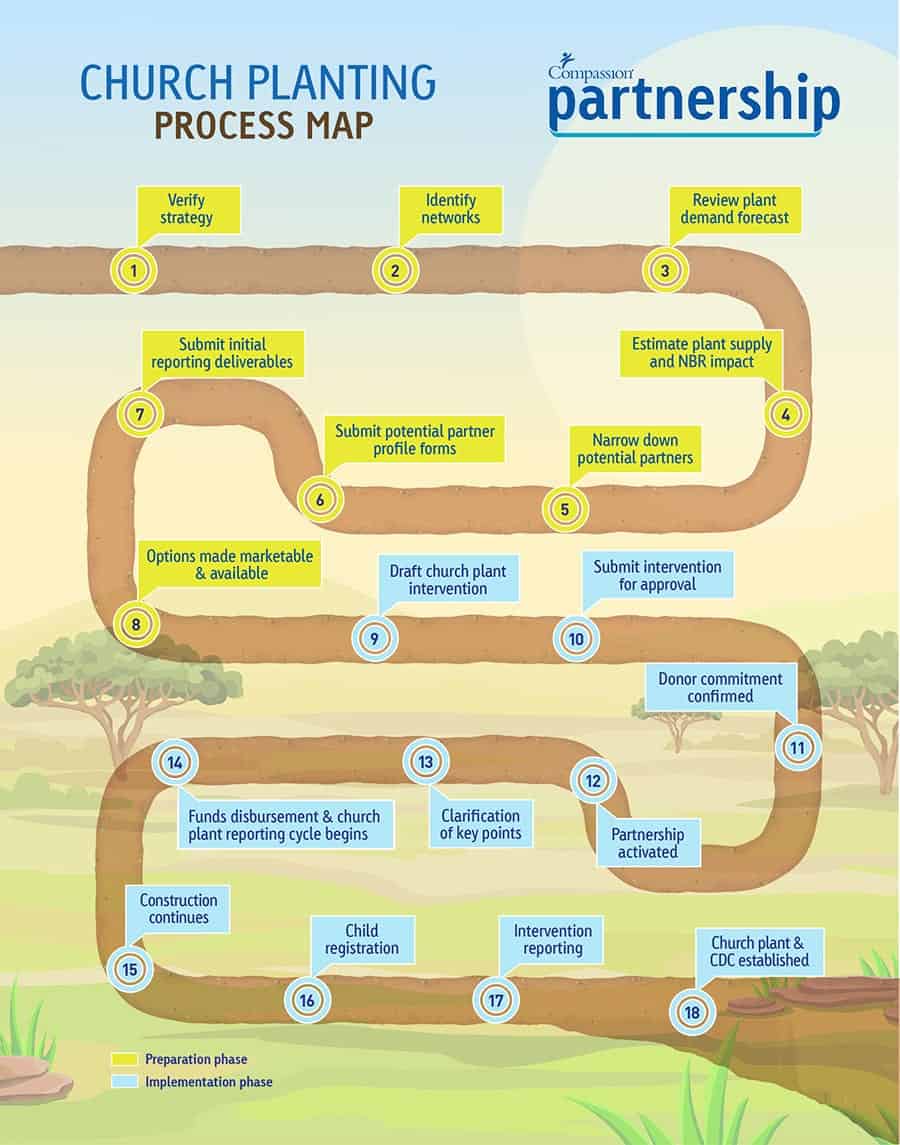
Have you ever imagined turning an empty lot—or even a living room—into a bustling sanctuary where faith takes root? The notion is whimsical, yet the reality of planting a church bristles with logistical, spiritual, and legal intricacies. Herein lies the challenge: to transform a vibrant vision into a living, breathing ecclesial organism without stumbling over unseen hurdles.
Discerning the Divine Call: Crafting the Vision
Before a single brick is laid, you must articulate a clear, compelling vision that resonates with both heart and purpose. Ask yourself: what unique missional DNA will this congregation carry? Write a concise vision statement that captures the community’s aspirations, ensuring it feels both aspirational and actionable.
A playful question can act as a catalyst: “What if our backyard could become a beacon for seekers?” This query invites curiosity, sparks conversation, and frames the entire journey as an adventure rather than a chore.
Rallying the Pioneers: Building the Founding Team
No church emerges in isolation. Assemble a core group of believers whose gifts align with the envisioned mission. Seek individuals who embody servant leadership, possess varied skill sets, and share a covenantal commitment to prayer and community.
Consider this team as the ecclesiastical scaffolding: supportive, adaptable, and essential for bearing the weight of new ministries. Diverse perspectives—musical, administrative, pastoral—will fortify the structure and foster synergistic growth.
Legal Foundations: Incorporating and Securing Nonprofit Status
The first pragmatic step involves filing incorporation papers and applying for 501(c)(3) status. This transforms the group into a legal entity capable of holding assets, signing contracts, and receiving tax‑deductible donations. Prepare a robust set of bylaws that outline governance, membership criteria, and decision‑making processes.
Neglecting this stage can expose the fledgling congregation to regulatory pitfalls and financial liabilities. Hence, consult a nonprofit attorney or seasoned church planter

