

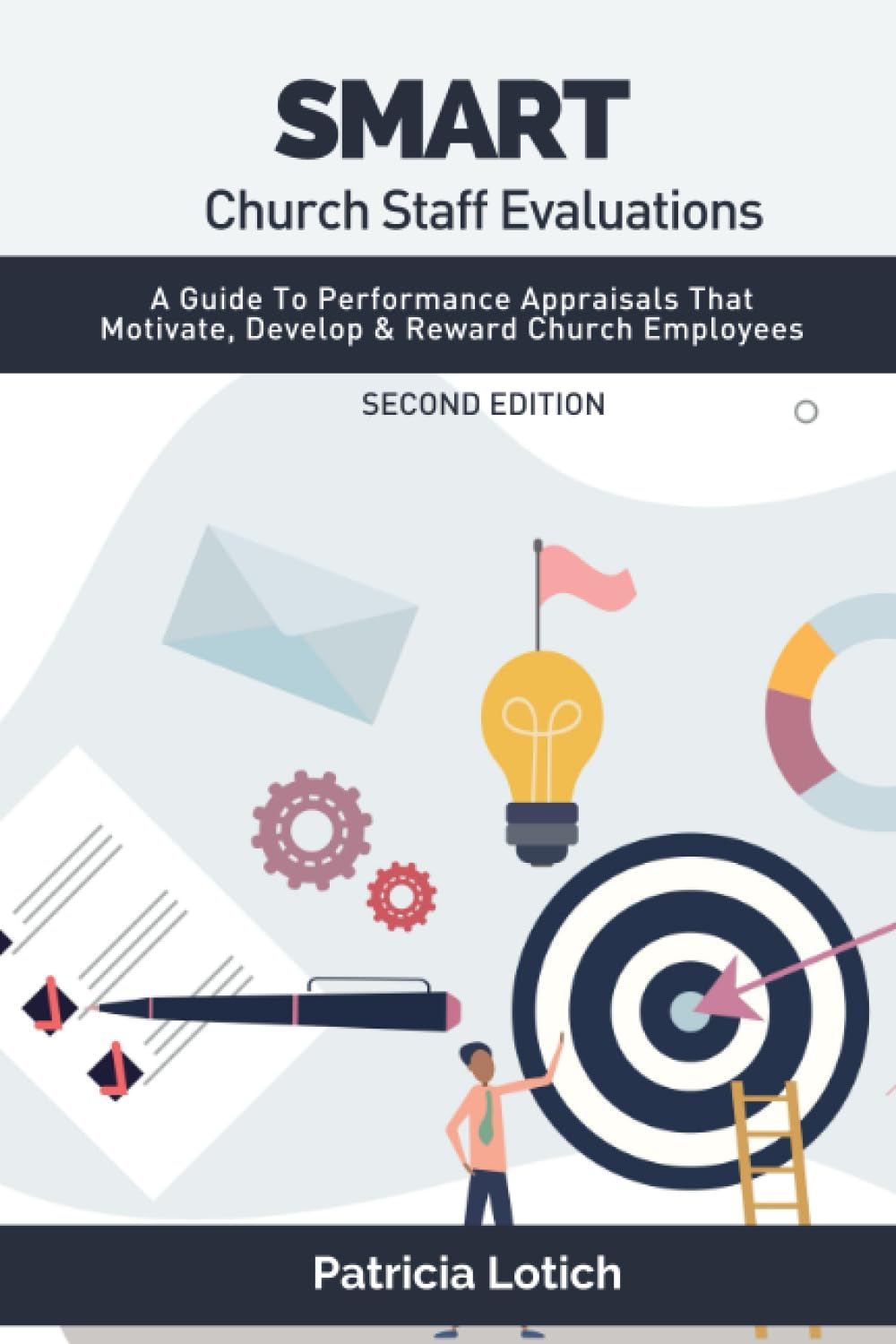
Within the intimate ecosystem of a faith community, the art of evaluating church staff is not merely an administrative chore; it is a sacred covenant that can ignite transformative growth for individuals and the congregation alike. When done with intention, evaluation becomes a luminous catalyst that illuminates potential, aligns mission, and nurtures a thriving spirit of collaborative ministry.
Understanding the Purpose of Evaluations
Evaluations are not punitive audits but rather sanctified conversations that seek to reveal the inner workings of each role within the larger liturgical tapestry. By clarifying expectations and linking daily duties to the overarching gospel narrative, leaders can help staff see how their unique gifts contribute to the communal edification. This clarity transforms mundane tasks into purposeful acts of worship, fostering a sense of divine calling.
Creating a Culture of Trust and Transparency
A robust evaluation framework flourishes in an environment where trust is cultivated through open dialogue. Leaders should practice radical transparency, sharing both congregational objectives and personal insights. When staff members feel secure enough to voice concerns, the evaluation process becomes a shared pilgrimage rather than a solitary trial. Trust acts as the mortar that bonds diverse talents into a cohesive koinonia.
Differentiated Evaluation Methods
No single rubric can capture the multifaceted nature of church ministry. Pastoral caregivers, administrators, musicians, and youth coordinators each bring distinct competencies that require tailored assessment tools. Utilising a blend of self‑assessment questionnaires, peer observations, and congregational feedback creates a 360‑degree panorama. This differentiated approach ensures that evaluators honor the nuanced contributions of each ministry arm.
Integrating Spiritual and Professional Growth
Growth in a church context cannot be compartmentalised into secular metrics alone. Effective evaluations interweave spiritual markers—such as prayerfulness, exegetical rigor, and communal discernment—with professional benchmarks like stewardship accuracy, program implementation, and communication fluency. When both dimensions are assessed, staff experience holistic development that resonates with their innermost convictions.
Feedback Mechanisms and Ongoing Support
Constructive feedback is the lifeblood of continual improvement. Rather than relegating feedback to an annual review, embed regular check‑ins that celebrate breakthroughs and address emerging challenges. These ongoing dialogues serve as a reflective mirror, allowing staff to recalibrate their praxis in real time. Such consistent support demonstrates a genuine investment in each individual’s sanctification journey.
Training Evaluators for Empathy and Insight
Those entrusted with appraising others must possess both theological acumen and interpersonal sensitivity. Providing training sessions on active listening, compassionate questioning, and culturally responsive coaching equips evaluators to discern the subtle movements of the spirit within performance narratives. Empathy‑rich evaluation nurtures a climate where vulnerability is revered as a strength.
Documenting Progress and Setting Goals
Accurate documentation captures the trajectory of growth and provides a tangible reference for future aspirations. Use concise narrative summaries, quantifiable indicators, and personal testimonies to create a comprehensive record. Setting SMART goals—Specific, Measurable, Achievable, Relevant, Time‑bound—ensures that the evaluation becomes a living plan, not a static report. This disciplined chronicle reinforces accountability while celebrating incremental victories.
Celebrating Milestones and Recognizing Efforts
Recognition amplifies motivation. Publicly acknowledging achievements—whether through a congregational shout‑out, a personalized note, or a small token of appreciation—affirms that the staff’s labors are seen and valued by the faith community. Celebrations also serve as communal worship moments, reinforcing the belief that every contribution is an offering to the divine.
Addressing Challenges and Misalignments
Inevitably, evaluations may uncover areas where performance diverges from expectations. Handling these moments with grace involves compassionate confrontation, offering remedial resources, and co‑creating a corrective pathway. By framing shortcomings as opportunities for metamorphosis rather than condemnation, leaders uphold the principle of restorative justice that underpins the church’s mission.
Conclusion: A Journey of Continuous Improvement
Church and staff evaluations, when approached with passion and purposeful methodology, become a perpetual engine of growth. They encourage individuals to align personal vocation with communal vision, foster transparent relationships, and embed a culture of ongoing development. As faith communities commit to this evaluative praxis, they embolden each member to flourish, ensuring that the body of Christ remains dynamic, resilient, and ever‑朝向更高的使命.

