

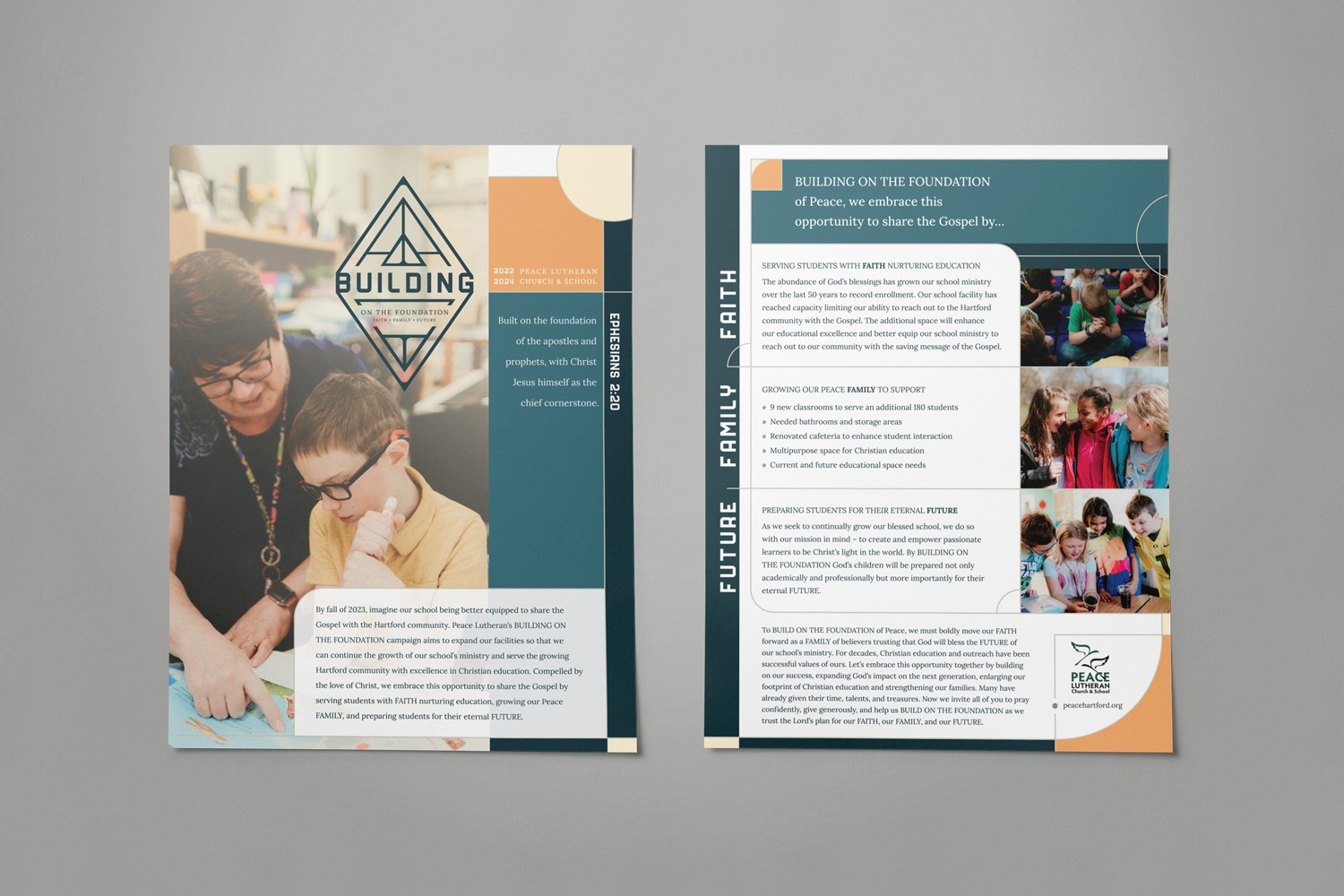
Imagine walking into a sanctuary where the air hums with possibility—not just with hymns, but with the quiet, electric anticipation of something greater unfolding. This isn’t just another Sunday. This is the moment when a church’s vision stretches beyond its walls, when pews become launchpads for dreams that could reshape generations. Church capital campaigns aren’t merely financial drives; they are sacred convocations where faith meets foresight, where generosity becomes the bridge between what is and what could be.
The Sacred Algebra of Vision and Sacrifice
Every capital campaign begins with an equation as old as time: vision divided by sacrifice equals transformation. But this isn’t arithmetic—it’s alchemy. A church’s capital campaign isn’t just about raising funds; it’s about crystallizing a collective dream into tangible reality. Whether it’s erecting a new sanctuary, revitalizing a community center, or launching a global outreach initiative, the campaign becomes the heartbeat of the church’s mission.
Yet, here’s the paradox: people give not because they must, but because they *can*. Generosity flourishes when donors see themselves as co-creators of something eternal. The most successful campaigns don’t just ask for money; they invite people to become part of a legacy. They transform transactions into testimonies. A family’s tithe becomes a child’s education. A retiree’s gift becomes a widow’s shelter. The campaign isn’t about dollars—it’s about divine collaboration.
The Psychology of Generosity: Beyond the Plate
Generosity isn’t a line item in a budget—it’s a spiritual discipline. Yet, too often, churches treat giving as a transaction rather than a transformation. The most compelling capital campaigns don’t just present a need; they reveal a *call*. They don’t just show a budget; they unveil a blueprint for impact.
Consider the power of storytelling. A video of a single mother whose child now attends a thriving after-school program funded by the campaign. A testimonial from a volunteer whose life was changed by a mission trip made possible by the generosity of others. These aren’t just anecdotes—they’re emotional anchors that tether generosity to real lives. When donors see the ripple effects of their gifts, their wallets open not out of obligation, but out of conviction.
But psychology runs deeper. People give to what they believe in, to what they’ve helped shape. The most effective campaigns don’t just broadcast a vision—they co-create it. Town halls, small-group discussions, even digital forums where members can weigh in on priorities. When people feel ownership, their generosity isn’t coerced—it’s celebrated.
The Art of the Ask: From Hesitation to Heroism
Asking for money is one of the most delicate arts in ministry. Do it wrong, and you risk reducing generosity to a chore. Do it right, and you ignite a fire that outlasts the campaign itself. The secret? Frame the ask not as a demand, but as an invitation to heroism.
Think of it this way: every donor is a protagonist in a story of redemption. Their gift isn’t just a check—it’s a chapter in a larger narrative of hope. The ask becomes less about “We need your help” and more about “Will you join us in writing this next great verse?”
Timing matters, too. The most effective campaigns don’t spring up overnight. They’re cultivated over months, even years, through preaching, prayer, and persistent vision-casting. When the ask finally comes, it lands not as a surprise, but as the natural culmination of a journey. Donors don’t feel ambushed—they feel honored to participate.
Breaking the Myths: Generosity Without Guilt
There’s a dangerous myth that capital campaigns are about guilt-tripping congregations into giving. Nothing could be further from the truth. The most transformative campaigns are built on abundance, not scarcity. They don’t preach lack—they proclaim possibility.
Consider the language shift: instead of “We’re struggling to keep the lights on,” it’s “Imagine a future where our light shines brighter than ever before.” Instead of “We need more volunteers,” it’s “Who will step forward to be part of this movement?” Generosity thrives in an atmosphere of hope, not pressure.
Another myth? That only the wealthy can make a difference. The truth is, generosity isn’t measured in dollars—it’s measured in heart. A single mother’s $20 a month funds a child’s Bible study. A teenager’s summer job donation builds a well in a distant village. The campaign isn’t about the size of the gift; it’s about the size of the heart behind it.
The Ripple Effect: How One Campaign Changes Everything
The impact of a capital campaign extends far beyond the initial funds raised. It reshapes the culture of a church. It transforms donors into advocates. It turns skeptics into storytellers. When a campaign succeeds, it doesn’t just build buildings—it builds a legacy of generosity that outlives the project itself.
Take, for example, a church that launches a campaign to expand its food pantry. The immediate result? Hundreds of families fed each month. But the ripple effect? A culture of service that spills into the community. Volunteers who once tithed now mentor. Donors who once gave sporadically now lead. The campaign becomes a catalyst for a new way of living—one where generosity isn’t an event, but a way of life.
And let’s not forget the spiritual dimension. When people give generously, they experience a profound shift in their relationship with God. They move from spectators to participants. From consumers to contributors. The campaign isn’t just about money—it’s about spiritual awakening.
Designing the Journey: From Vision to Victory
A capital campaign isn’t a sprint—it’s a pilgrimage. It requires careful planning, relentless communication, and unwavering faith. The most effective campaigns follow a roadmap that balances urgency with patience, excitement with reverence.
Phase one: Vision casting. Paint a vivid picture of what’s possible. Use renderings, testimonies, and data to show the impact. Make the vision so compelling that people can’t help but say, “How can I be part of this?”
Phase two: The ask. This isn’t a single moment—it’s a series of conversations. Personal, heartfelt, and tailored to each donor’s capacity. The goal isn’t to secure a yes—it’s to secure a commitment to the vision.
Phase three: Celebration. When the campaign succeeds, don’t just tally the numbers—celebrate the people. Highlight stories. Recognize leaders. Make giving feel like a privilege, not a duty.
And through it all, keep the focus on the mission. The campaign isn’t about the building—it’s about the lives it will touch. It’s not about the money—it’s about the hearts it will change.
The Eternal Impact: Why This Matters More Than You Think
At its core, a capital campaign is about more than bricks and mortar. It’s about building the kingdom. It’s about turning faith into action. It’s about proving that when a community unites around a shared vision, miracles happen.
Generosity isn’t just a financial transaction—it’s a spiritual act. It’s an expression of trust in God’s provision. It’s a declaration that the church’s mission is worth investing in. And when done right, it transforms not just a building, but a congregation. Not just a budget, but a culture.
So the next time your church embarks on a capital campaign, remember: this isn’t just about raising money. It’s about raising hearts. It’s about turning spectators into participants. It’s about writing a new chapter in the story of faith—one where generosity isn’t just encouraged, but celebrated.
The future isn’t something that happens to us. It’s something we build—together.

