

Ever stood in the pulpit, sermon notes in hand, only to realize your Bible commentary is missing—and your phone’s battery is at 3%? Or perhaps you’ve stared at a blank PowerPoint slide, praying for divine inspiration to strike before Sunday’s service? If you’re a pastor or church leader, you know the relentless juggle of shepherding souls while keeping your ministry’s gears well-oiled. The right resources can turn chaos into clarity, exhaustion into energy, and last-minute scrambles into seamless execution. But with so many tools, books, and platforms flooding the market, how do you separate the sacred from the superfluous? Let’s embark on a journey through the best church resources designed to equip pastors and leaders—not just to survive ministry, but to thrive in it.
The Sacred Text: Bibles That Speak Beyond the Page
Not all Bibles are created equal. A pastor’s primary tool is the Word itself, but the vessel matters. Imagine a study Bible that doesn’t just annotate Scripture but breathes life into it, with commentaries that feel like a seasoned mentor whispering insights over your shoulder. Look for editions with robust cross-references, cultural context notes, and perhaps even a built-in concordance—because when a congregant asks about the Greek meaning of “agape,” you’ll want to deliver more than a shrug. Consider Bibles with wide margins for personal reflections or those paired with digital tools that sync your notes across devices. The goal? To make the ancient text feel alive, relevant, and tailor-made for your flock’s spiritual hunger.
Commentaries: The Theological Torchbearers
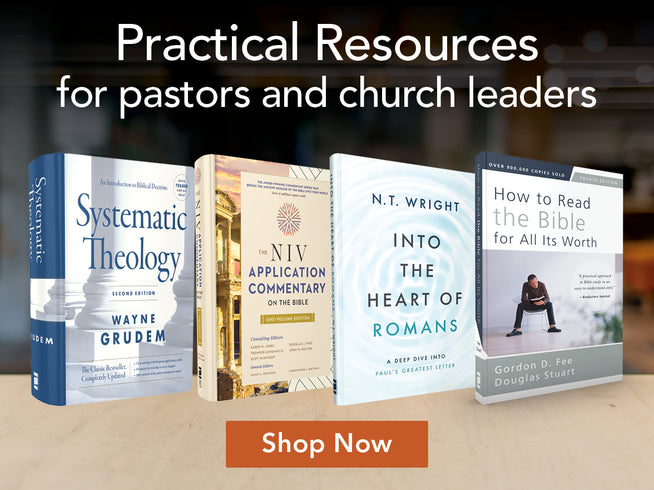
Commentaries are the unsung heroes of sermon prep. They transform dense theological tomes into digestible wisdom, guiding you through the labyrinth of Scripture without leaving you lost in the footnotes. But here’s the rub: not all commentaries are built for the same journey. Some dive deep into original languages, perfect for the linguistically inclined. Others prioritize practical application, ideal for pastors who need to preach with both heart and head. The challenge? Choosing the right one for your sermon series or personal study. A word of advice: start with a mid-range commentary series—like a trusted guide who knows when to geek out on Greek verbs and when to pivot to pastoral application. And don’t underestimate the power of a well-curated commentary library; it’s like having a theological think tank at your fingertips.
Ever preached on a passage only to realize halfway through that your commentary missed a critical cultural nuance? It’s a humbling moment. That’s why diversifying your sources is key. Pair traditional commentaries with fresh perspectives—perhaps a womanist or liberation theology lens—to challenge your assumptions and enrich your understanding. The best pastors don’t just preach the Word; they let the Word preach to them first.
Sermon Planning: From Chaos to Clarity
Sermon planning can feel like herding cats—until you find the right system. The best tools don’t just organize your thoughts; they help you see the bigger narrative of Scripture. Imagine a platform that maps out your preaching calendar for the year, suggests thematic connections between passages, and even tracks your progress. Some tools integrate with your Bible app, pulling in verses and cross-references with a single click. Others offer collaborative features, allowing your worship team to align songs and themes with your sermon series. The secret? Consistency. A well-structured plan doesn’t just save time; it ensures your preaching stays focused, intentional, and spiritually nourishing for your congregation.
But beware the trap of over-planning. The Holy Spirit moves in mysterious ways, and sometimes the sermon you *think* you’ll preach isn’t the one God has in store. Leave room for spontaneity. A rigid schedule can stifle the divine detours that often lead to the most powerful moments in ministry.
Worship Resources: Elevating the Sacred Experience
Worship isn’t just about music—it’s about creating an atmosphere where hearts encounter God. The best worship resources go beyond chord charts and lyric slides; they help you craft an experience that’s both theologically rich and emotionally resonant. Look for platforms that offer chord-based worship songs, backing tracks, and even liturgical elements like responsive readings or prayers. Some tools integrate with your presentation software, syncing lyrics and chords in real time. Others provide seasonal resources, from Advent readings to Easter dramas, ensuring your worship services feel cohesive and intentional.
Here’s a pro tip: Don’t just rely on the latest worship trends. Balance contemporary hymns with classic anthems to create a tapestry of sound that spans generations. And remember, worship isn’t about performance—it’s about participation. The best resources will help you lead your congregation into deeper engagement, not just passive listening.
Discipleship Tools: Nurturing the Flock Beyond Sunday
Sunday mornings are just the beginning. The real work of discipleship happens in the trenches—small groups, mentorship, and one-on-one discipleship. The best resources for this phase are those that foster connection and accountability. Imagine a digital platform that tracks small group progress, provides discussion guides, and even offers training for group leaders. Or a curriculum series designed to walk new believers through foundational truths, step by step. The challenge? Keeping discipleship from feeling like another checkbox on your to-do list. The solution? Make it relational. Pair structured resources with organic conversations, where questions are encouraged and growth is celebrated.
And don’t forget the power of storytelling. A well-told parable or personal testimony can ignite a spark in someone’s spiritual journey far more than a lecture ever could. Curate resources that invite vulnerability and authenticity—because discipleship isn’t about perfection; it’s about progress.
Leadership Development: Sharpening the Shepherd’s Edge
Pastoring isn’t just about preaching—it’s about leading. The best pastors are lifelong learners, constantly refining their leadership skills to better serve their flock. That’s where leadership development resources come in. From books on emotional intelligence to podcasts on team dynamics, the right tools can help you navigate the complexities of ministry with wisdom and grace. Look for resources that address the unique challenges of church leadership—managing conflict, casting vision, and fostering a culture of health within your congregation. The goal? To grow not just as a preacher, but as a leader who inspires, empowers, and equips others for the work of ministry.
But here’s the catch: leadership development isn’t a one-size-fits-all endeavor. What works for a megachurch pastor might not resonate with a bi-vocational leader in a rural community. Tailor your approach to your context, and don’t be afraid to experiment. Try a leadership retreat, a mentorship program, or even a coaching relationship. The investment in your own growth will ripple outward, blessing your entire ministry.
Technology and Innovation: Bridging the Sacred and the Digital
In an age where screens dominate our attention, how do you leverage technology without losing the sacred? The answer lies in intentionality. The best tech tools for pastors seamlessly integrate into your workflow, enhancing—not replacing—the human element of ministry. Picture a church management system that tracks attendance, manages volunteers, and even sends personalized follow-up messages to newcomers. Or a live-streaming platform that brings your services to shut-ins and remote congregants without sacrificing quality. The key is to choose tools that align with your values. Technology should serve the mission, not distract from it.
And let’s not forget the power of social media. A well-crafted post or a live Q&A can extend your reach and foster community beyond the church walls. But use it wisely. Authenticity matters more than algorithms. Share stories, not just announcements. Engage, don’t just broadcast. The digital world is a mission field—treat it as such.
Community and Collaboration: The Power of Shared Wisdom
Ministry can feel isolating, but it doesn’t have to be. The best resources often come from the collective wisdom of other pastors and leaders. Online communities, mentorship networks, and denominational resources can provide the support and encouragement you need to press on. Imagine a forum where you can ask for advice on a tough counseling situation or share a sermon illustration that landed with your congregation. Or a cohort of pastors walking through the same book study, holding each other accountable and celebrating milestones together. The challenge? Finding the right community. Not all groups are created equal. Seek out spaces where vulnerability is valued, where questions are welcomed, and where growth is prioritized over perfection.
And don’t underestimate the power of local partnerships. Collaborate with other churches in your area for joint events, shared resources, or even pulpit exchanges. The body of Christ is meant to function together—so why go it alone?

