

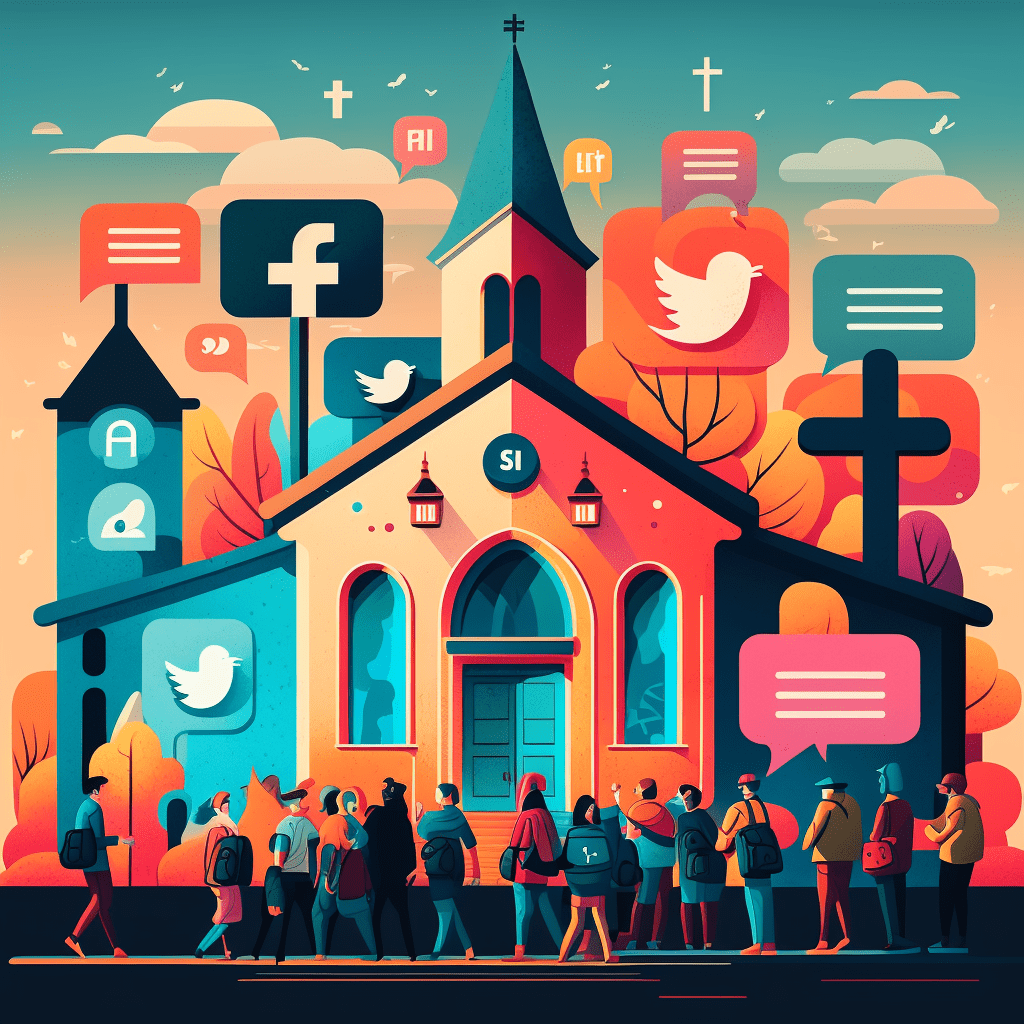
In an era where a single scroll can bridge continents and a viral post can spark global conversations, the digital pulpit has become as vital as the wooden one. Yet, for churches navigating this vast, ever-shifting landscape, the question lingers like an unanswered hymn: How do we harness the fleeting attention of the scroll-happy masses without losing the soul of our message? The answer isn’t just about being present—it’s about being strategically present, where every pixel and post serves a purpose. As we peer into the future of church engagement, one thing is clear: the tools may change, but the mission remains timeless. Let’s explore what’s on the horizon.
The Rise of the “Sacred Scroll”: Why Attention is the New Communion
Picture this: a congregation not gathered in pews, but in the quiet hum of smartphone notifications. The modern believer doesn’t just seek spiritual nourishment—they crave it in bite-sized, visually compelling morsels. Social media, once a mere novelty, has evolved into a digital sanctuary where sermons are distilled into memes, prayers into TikTok duets, and fellowship into Facebook Groups that never sleep. The challenge? Standing out in a sea of endless content. The opportunity? Turning passive scrollers into active participants in a shared spiritual journey.
Churches that thrive in this space aren’t just broadcasting—they’re curating. They’re crafting content that doesn’t just inform but invites, transforming a simple “like” into a moment of reflection. The future belongs to those who understand that engagement isn’t measured in followers, but in the quiet stirrings of hearts that linger long after the screen fades to black.
From Pews to Profiles: The Alchemy of Authenticity and Algorithm
There’s a paradox at play here: the more polished a church’s social media presence appears, the more human it needs to feel. Algorithms, those silent gatekeepers of the digital realm, favor content that sparks emotional resonance over sterile perfection. A trembling voice in a live-streamed prayer? Gold. A perfectly staged choir performance? Likely to gather dust in the algorithm’s graveyard.
Authenticity isn’t just a buzzword—it’s the currency of connection. Churches that embrace vulnerability—sharing raw, unfiltered moments of doubt, joy, or even failure—create a magnetic pull. The future of engagement lies in this alchemy: blending the sacred with the relatable, the planned with the spontaneous. Imagine a pastor’s Instagram Story documenting a late-night prayer session, or a youth group’s TikTok challenge that accidentally goes viral because it captured the messy, beautiful reality of teenage faith. That’s the kind of content that doesn’t just get seen—it gets remembered.
The Great Divide: Bridging the Gap Between Digital and Physical Community
Yet, for all its promise, social media is a double-edged sword. It can unite the scattered and amplify the marginalized, but it can also deepen the chasm between the online and offline worlds. The danger? Creating a congregation of digital spectators who consume faith from a distance but never step into the sanctuary—or worse, never step out of their comfort zones at all.
The solution lies in intentional design. Churches must treat their digital presence as an extension of their physical one, not a replacement. Think of it as a hybrid ecosystem: a live-streamed service that ends with an invitation to join a small group, a sermon clip that directs viewers to a local outreach event, or a prayer request posted online that culminates in a face-to-face hug. The goal isn’t to replace human connection but to catalyze it. The future of church engagement will belong to those who can seamlessly weave the virtual and the visceral into a single, cohesive narrative.
The Predictive Power of Data: When Numbers Become Prophecy
Data isn’t just numbers on a screen—it’s the modern-day prophet, whispering insights about the future of faith. Churches that leverage analytics aren’t just guessing what their audience wants; they’re listening to it. Which posts spark the most shares? What time of day do followers engage most deeply? Which topics elicit the longest dwell times? These aren’t trivial questions; they’re the breadcrumbs leading to a deeper understanding of the digital flock.
But here’s the twist: data should never replace discernment. A church might discover that their most popular content is a lighthearted meme about Sunday morning exhaustion—but does that align with their mission? The future belongs to those who can balance the science of analytics with the art of spiritual wisdom. It’s about asking not just what works, but why it works—and whether it serves the greater good.
The Unseen Battle: Privacy, Ethics, and the Soul of Social Media
As churches dive deeper into the digital realm, they must grapple with a thorny question: How much of the sacred should be shared? The line between transparency and exploitation is thinner than a smartphone screen. Posting a child’s baptism video might inspire some, but it could also expose them to the world in ways they never consented to. Similarly, sharing personal struggles can foster connection, but it can also turn vulnerability into a spectacle.
The future of church engagement will require a new ethical framework—one that prioritizes dignity over clicks, respect over reach. Churches must ask themselves: Are we using social media as a tool for ministry, or are we letting the platform use us? The answer will define not just their digital footprint, but their spiritual legacy.
The Final Frontier: AI, Virtual Reality, and the Church of Tomorrow
If the past decade has taught us anything, it’s that the future arrives faster than we expect. Artificial intelligence, once a sci-fi fantasy, now powers chatbots that offer pastoral care. Virtual reality isn’t just for gamers—it’s creating immersive worship experiences where believers from across the globe can kneel in digital solidarity. The question isn’t whether these tools will reshape church engagement, but how quickly churches can adapt without losing their soul.
Imagine a VR sermon where the congregation isn’t just watching but experiencing the Good Samaritan’s journey. Or an AI-generated Bible study guide that tailors its lessons to the spiritual needs of each user. The possibilities are as boundless as they are daunting. The future belongs to churches that can harness these innovations while keeping their eyes fixed on the eternal.
A Call to the Digital Pilgrims
The digital age has handed churches a once-in-a-millennium opportunity: to redefine what it means to gather, to worship, to belong. But with great power comes great responsibility. The future of church engagement won’t be shaped by those who merely adopt new tools, but by those who use them to deepen their mission. It’s not about chasing trends or amassing likes—it’s about creating a digital sanctuary where the lost can find their way, the weary can find rest, and the curious can find answers.
So here’s the challenge, laid bare like an open Bible: Will your church be a flickering candle in the algorithm’s wind, or a beacon that guides the digital pilgrims home? The choice isn’t just about technology—it’s about theology. And the time to decide is now.

