

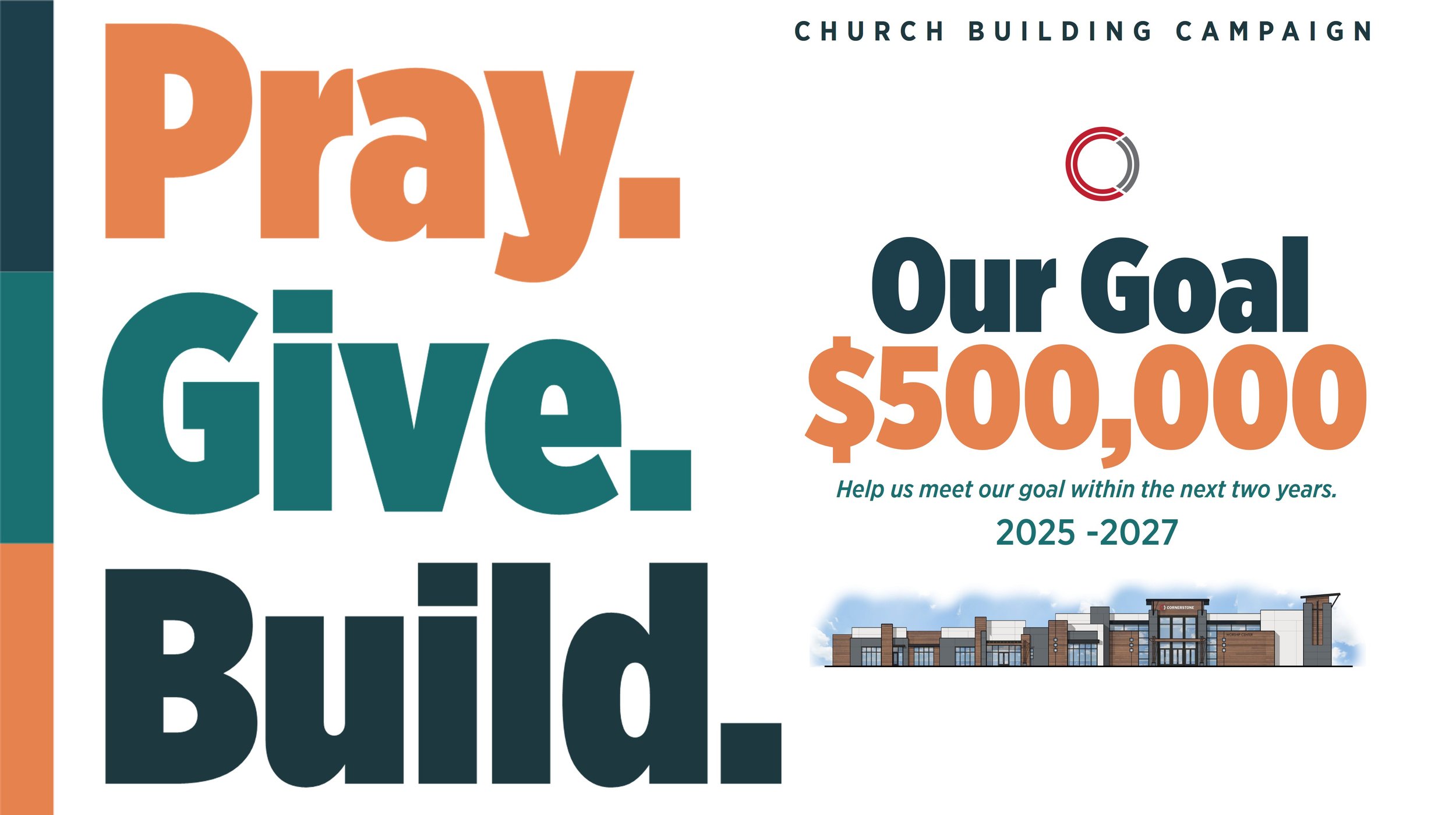
The journey of constructing a new sanctuary, expanding a fellowship hall, or breathing life into a community outreach center begins not with a hammer or a blueprint, but with a single, sacred question: How much? Yet this question is not merely arithmetic—it is theology in motion, a declaration of faith cloaked in spreadsheets and vision boards. A church building campaign goal is more than a financial target; it is a spiritual thermostat, calibrating the temperature of collective devotion. It must stretch faith without snapping it, inspire generosity without exploiting it, and honor God’s provision while acknowledging human labor. To set such a goal is to choreograph a symphony where every note—every pledge, every prayer, every volunteer hour—resonates toward a crescendo of transformed lives. This is not a task for the faint of heart or the hasty mind. It demands wisdom, courage, and a deep reverence for the sacred intersection of vision and sacrifice.
The Foundation: Aligning Vision with Divine Purpose
Before counting dollars, count the souls your new space will touch. A building campaign is not a capital project—it is a covenant of presence. It begins with a question not of capacity, but of calling: What does God want to birth through this place? Is it a sanctuary where broken hearts find healing? A hub where youth discover purpose? A refuge for the weary? The goal must rise from the altar of purpose, not the desk of convenience. Think of it as planting a seed in sacred soil—if the soil is shallow, the tree will topple in the first storm. But if the soil is deep, rooted in prayer and prophetic clarity, the roots will anchor generations. A goal set without divine alignment is like building a lighthouse on shifting sand—it may shine brightly for a moment, but soon, it will sink into the tide of irrelevance.
The Compass: Researching Realities Without Losing the Miracle
Data is the lantern that lights the path through the fog of optimism. To set a realistic yet faith-filled goal, you must know the terrain: construction costs per square foot in your region, permitting timelines, material volatility, and local contractor availability. Ignore these, and your campaign becomes a house of cards in a windstorm. Yet do not let data become a cage. The miracle of multiplication—five loaves becoming twelve baskets—is not erased by budget sheets. Use research to set a goal that is achievable, not safe. A goal that is too low insults the generosity of your people; one that is too high invites despair. The sweet spot lies where faith whispers, “We can,” and wisdom replies, “This is how.”
The Catalyst: Engaging the Congregation in Sacred Imagination
A goal set in isolation is a monologue; one shaped in community becomes a psalm. The most powerful campaigns are not announced—they are awakened. Begin with storytelling: share testimonies of lives changed in existing spaces. Invite members to close their eyes and envision the new sanctuary filled with worship, the fellowship hall humming with laughter, the classrooms buzzing with children discovering Jesus. Use visual mood boards, 3D renderings, or even a simple walk-through of the current space with eyes closed, imagining transformation. When people see the vision not as a distant dream but as a near reality, their hearts begin to measure not just what they can give, but what they cannot afford not to give. This is the alchemy of sacred imagination—turning spectators into stewards, and consumers into co-creators of God’s kingdom.
The Rhythm: Phasing the Goal to Sustain Momentum
A single, massive goal can feel like climbing Everest in flip-flops. Instead, consider a phased approach: a seed goal for immediate needs, a growth goal for expansion, and a legacy goal for future generations. Each phase becomes a milestone, a reason to celebrate, a story to tell. Think of it like a river journey—you don’t start by aiming for the ocean; you navigate tributaries, rapids, and calm waters, each segment teaching trust and endurance. A phased goal also allows for organic generosity to rise: as people see progress, they give more freely, not out of pressure, but from joy. And joy, after all, is the currency of heaven.
The Anchor: Balancing Faith and Fiscal Prudence
To set a goal is to walk a tightrope between audacity and realism. On one side stands faith, shouting, “God is able!” On the other, wisdom whispers, “But are we prepared?” The key is to anchor the goal in both. Set a primary target that reflects your full vision, but include a contingency fund—10% is wise—for the unforeseen: soil tests revealing rock, supply chain delays, or unexpected code requirements. This is not a lack of faith; it is stewardship of the resources God entrusts. It says, “We believe in miracles, but we also believe in planning.” A goal that ignores prudence is a house built on sand. A goal that ignores faith is a fortress built on fear.
The Spark: Communicating the Goal with Transcendent Clarity
Numbers alone do not inspire—stories do. When sharing the goal, frame it not as a budget line, but as a legacy statement. “This $2.5 million isn’t just bricks and mortar; it’s 5,000 souls hearing the gospel for the first time in this space. It’s 200 children learning to pray in a room built for wonder. It’s 50 volunteers finding their calling in serving coffee and Scripture.” Use metaphors that resonate: the building as a “living sanctuary,” the campaign as a “pilgrimage of generosity,” the goal as a “threshold where heaven and earth meet.” Language shapes perception. Speak in a way that makes people feel they are not just donors—they are co-laborers in a divine renovation.
The Summit: Celebrating the Goal as a Milestone, Not the Finish Line
When the goal is reached, do not ring the bell and declare victory. Ring the bell and declare readiness. A campaign goal is not a destination—it is a launching pad. The real work begins when the first shovel hits the earth. Celebrate with a worship service, not a fundraiser gala. Sing songs of thanksgiving. Invite testimonies. Let the moment become a sacred memory, a reminder that God’s people move forward not by might, nor by power, but by His Spirit. And as the construction begins, keep the vision alive: post updates, share stories, invite the congregation to place handprints on the walls, to write prayers on beams. Let every nail driven, every beam raised, be a prayer ascending.
The art of setting a church building campaign goal is not found in spreadsheets or sermons alone—it is found in the hush between them, where faith and wisdom kneel together. It is a sacred negotiation: between what we can imagine and what we can afford, between what we hope for and what we are willing to sacrifice. Set the goal not just to build a building, but to build a people—generous, expectant, alive with the fire of purpose. For in the end, the walls we raise are temporary; the hearts we ignite are eternal.

