

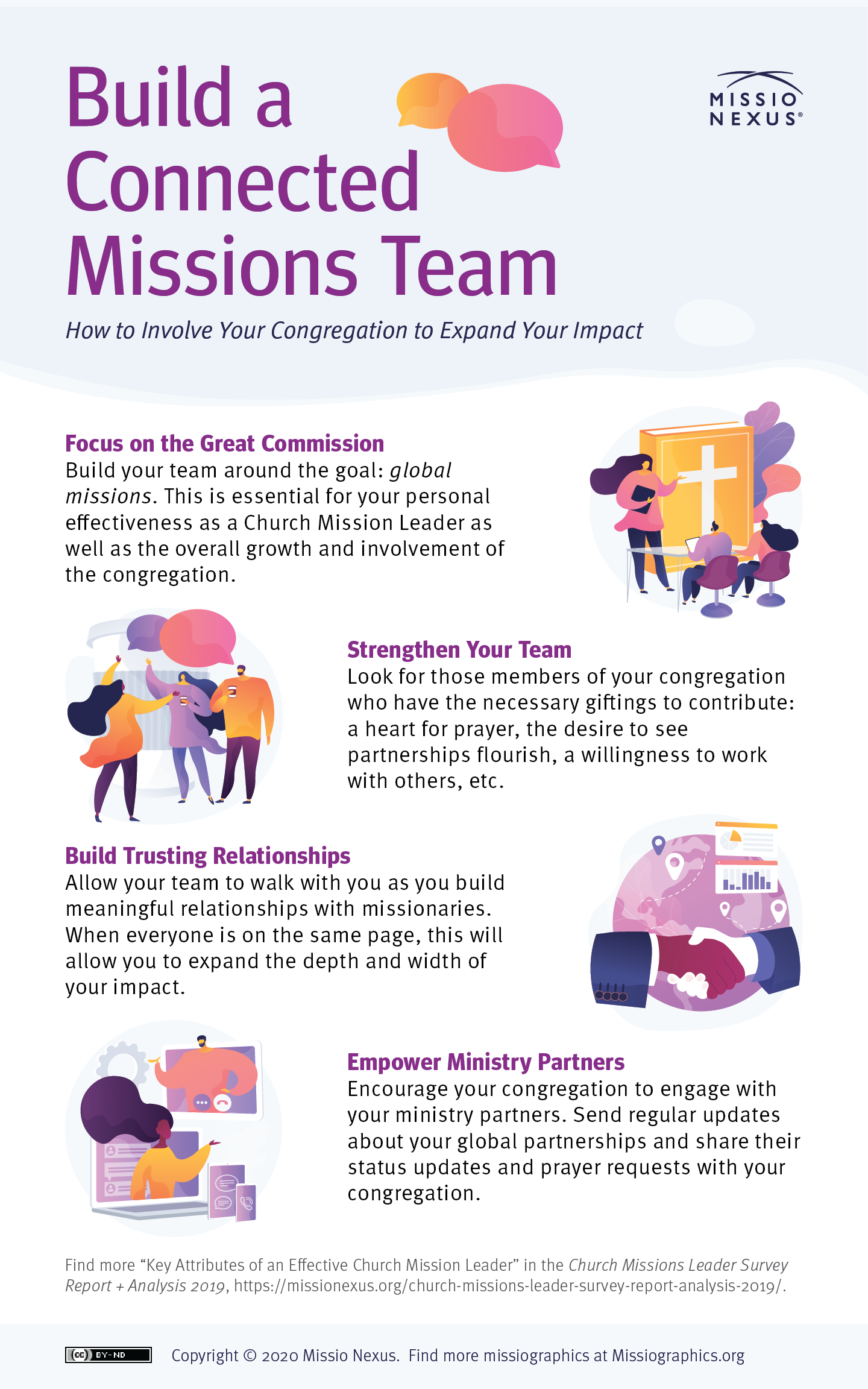
In the grand tapestry of church life, few threads are as vibrant or as vital as the mission campaign—a deliberate, spirited endeavor to extend the reach of faith beyond the sanctuary walls. Yet, the true magic of such a campaign doesn’t lie solely in its visionary goals or strategic planning; it flourishes when the entire congregation becomes an active participant. Involving every member, from the youngest to the oldest, transforms a mission campaign from a mere event into a living, breathing movement of the heart. This is where the alchemy of community meets the fire of purpose, creating something far greater than the sum of its parts.
The Power of Storytelling: Igniting Hearts with Narrative Fuel
Every mission campaign begins with a story—one that whispers of distant lands, of lives transformed, and of the divine call to go. But stories aren’t just for the pulpit; they are the lifeblood of congregational engagement. Imagine a series of testimonial vignettes, short, cinematic clips shared during worship or small group gatherings, where missionaries or local partners recount their experiences in vivid, almost cinematic detail. These aren’t dry reports; they’re immersive tales that pull listeners into the emotional and spiritual journey of mission work.
Consider also the reverse missionary narratives—stories from those who have been impacted by the church’s outreach efforts. A single mother whose child found mentorship through a community program, or a refugee family whose language barriers were bridged by a volunteer’s patience. These stories dismantle the “us vs. them” mentality, replacing it with a shared identity: we are all missionaries, wherever we are.
To amplify this, host a storytelling workshop where members learn to craft their own narratives. Equip them with prompts like, “What moment in your life felt like a divine nudge toward mission?” or “Who in your life embodies the spirit of service?” The goal isn’t perfection; it’s authenticity. When people see their own stories reflected in the mission, the campaign ceases to be an abstract idea—it becomes a personal calling.
Interactive Workshops: From Spectators to Co-Creators
Passive observation is the enemy of engagement. To break this cycle, design mission immersion workshops that blur the line between learning and doing. Picture a cultural simulation lab, where participants experience the challenges of cross-cultural communication firsthand. Blindfolded, they attempt to assemble a simple task while listening to instructions in a foreign language, or they navigate a grocery store with a limited budget, mimicking the constraints of a refugee family. These exercises aren’t just eye-opening; they’re empathy engines, forging emotional connections that lectures never could.
Another approach is the skill-share bazaar, where congregation members offer their professional or hobbyist expertise as mission assets. A graphic designer might teach a class on creating culturally sensitive visuals for outreach materials. A carpenter could lead a build-a-thon for simple furniture to be donated overseas. The message is clear: you don’t need a seminary degree to be a missionary. Your gifts, however humble, are tools for the kingdom.
For the tech-savvy, host a digital mission hackathon, where teams brainstorm creative solutions to local or global challenges—like an app to connect volunteers with elderly neighbors, or a social media campaign to raise awareness about human trafficking. The energy in these spaces is electric, a testament to what happens when creativity meets compassion.
Gamification: Turning Mission into a Shared Adventure
Human beings are wired for challenge and reward. Why not harness this instinct to fuel mission engagement? Introduce a mission passport system, where participants earn stamps or digital badges for completing tasks—attending a workshop, volunteering at a food drive, or writing a letter to a missionary. The passport isn’t just a tracker; it’s a visual map of collective progress, a reminder that every small act contributes to a larger narrative.
For a more competitive edge, launch a mission league, with teams representing different ministries or small groups. Points are awarded not just for participation but for innovation—like the most creative fundraiser or the most impactful prayer chain. The league could culminate in a celebratory mission gala, where teams showcase their achievements in a mix of presentations, performances, and heartfelt testimonies. The camaraderie alone is worth the effort, but the real victory is the cultural shift: mission isn’t a side project; it’s the heartbeat of the church.
Don’t overlook the power of augmented reality (AR) missions. Create an AR scavenger hunt where participants use their phones to “discover” hidden mission stories around the church grounds or community. Each clue leads to a new narrative, a new call to action. The blend of technology and tradition feels futuristic yet deeply human, a perfect metaphor for how mission adapts to the times while remaining timeless.
Artistic Expression: The Silent Revolution of Creativity
Art has a way of bypassing the rational mind and speaking directly to the soul. Commission a mission mural, a collaborative painting where each brushstroke represents a member’s prayer or commitment to the campaign. The mural grows week by week, a living testament to the congregation’s unified heart. Alternatively, host a spoken word night, where poets and non-poets alike share original pieces on themes of justice, mercy, and global kinship. The vulnerability in these performances fosters a sense of sacred trust—we are all storytellers, and our stories matter.
For the musically inclined, organize a mission hymnwriting contest. Invite members to pen lyrics that reflect the campaign’s themes, then collaborate with the worship team to compose melodies. The winning hymn could become the anthem of the mission, sung in services and shared online. Music, after all, is one of the most powerful tools for embedding mission into the congregation’s collective memory.
Visual artists might contribute to a mission quilt, where each square tells a story—stitches of fabric from a missionary’s travels, or patterns inspired by a global culture. The quilt becomes a traveling exhibit, displayed in homes, schools, and community centers, silently bearing witness to the church’s commitment. Art doesn’t just decorate; it converts silence into solidarity.
Practical Participation: From Pulpit to Sidewalk
Engagement thrives when it’s tangible. Launch a mission micro-volunteering program, where members sign up for bite-sized tasks—packing care kits, writing encouragement cards, or helping with a one-day community cleanup. These aren’t grand gestures; they’re the scaffolding of a culture of service. The key is to make participation effortless. Set up a mission kiosk in the church lobby with QR codes linking to sign-up sheets, or use a church app where users can claim tasks in real time.
For those who crave deeper involvement, offer mission apprenticeships—short-term, hands-on experiences where members shadow missionaries, local or global, to learn the nuts and bolts of ministry. An apprenticeship might last a weekend or a month, but its impact lasts a lifetime. The goal isn’t to create professionals; it’s to cultivate a congregation that sees mission as a natural rhythm of faith, not an occasional detour.
Finally, don’t underestimate the power of shared sacrifice. A fasting challenge, where members give up a luxury (like coffee or streaming services) for a set period and donate the savings to the mission fund, can be a profound spiritual exercise. Pair this with a sacrifice journal, where participants reflect on what they’re learning about dependence, generosity, and the kingdom’s priorities. Sacrifice isn’t about deprivation; it’s about rediscovering the joy of living for something greater than oneself.
The Ripple Effect: When Engagement Becomes Legacy
The ultimate measure of a mission campaign’s success isn’t the number of dollars raised or the number of events held—it’s the transformation it leaves in its wake. When a congregation becomes truly involved, the mission doesn’t end with a closing ceremony. It lingers in the way members greet strangers, the way they advocate for the marginalized, the way they see their everyday lives as part of a grander narrative.
This is the quiet revolution of engaged mission: it doesn’t just change the world; it changes the church. And in changing the church, it changes the world.

